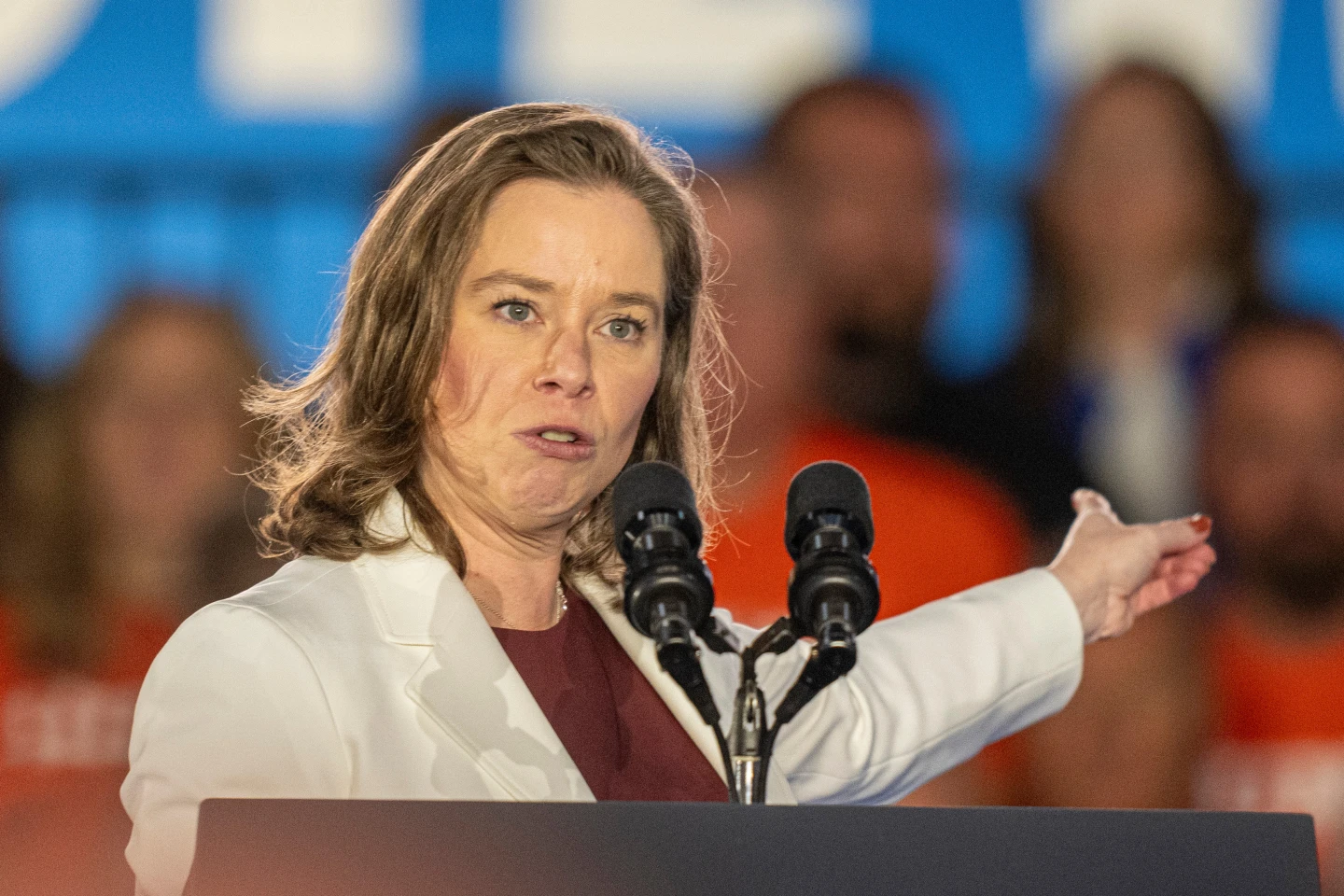
MADISON, Wis. (AP) — Governor Tony Evers of Wisconsin is expressing skepticism about a recent proposal from his Lieutenant Governor, Sara Rodriguez, aimed at banning federal immigration enforcement actions at crucial locations like courthouses, schools, hospitals, and childcare centers.
Rodriguez, who is running for governor this election cycle following Evers's decision not to seek a third term, proposed this plan in light of heightened tensions surrounding immigration enforcement. Rodriguez emphasized that exceptions would be made for judicial warrants or immediate public safety threats.
“I’m not sure we have the ability to do that,” Evers remarked during a press briefing, expressing doubts about the practicality of such a ban. He further noted the potential repercussions it could have on federal relationships, especially considering the stance of the current Trump administration.
In light of recent incidents, including the fatal shooting of Renee Good by an ICE officer in Minnesota that has incited nationwide protests, Rodriguez’s proposal is reflective of similar initiatives in Democratic-led states such as California and New York. She is also advocating for ICE agents in Wisconsin to be clearly identified and for them to wear body cameras, ensuring accountability in their operations.
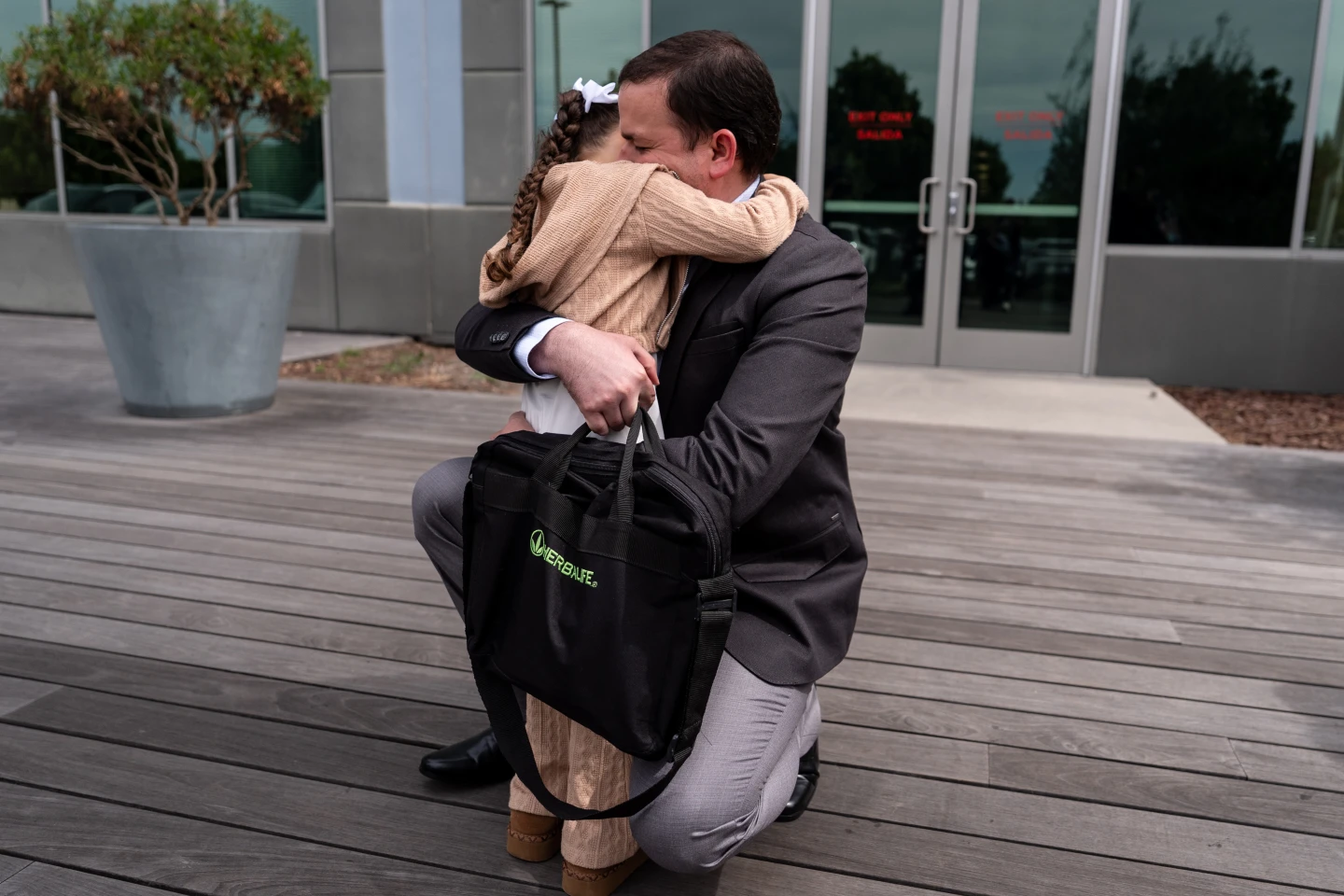
“No one should be afraid to drop off their kids at school, seek medical care, or participate in community life because of enforcement actions,” Rodriguez stated, arguing for the need to protect communities from aggressive federal practices.
When asked about the presence of ICE in Wisconsin, Evers conveyed a charged message: “I think we can handle ourselves, frankly." He emphasized the importance of state autonomy in such matters.
The increasing complexity of immigration policies and their enforcement continues to foster conversations around safety, identity, and community rights across the nation.