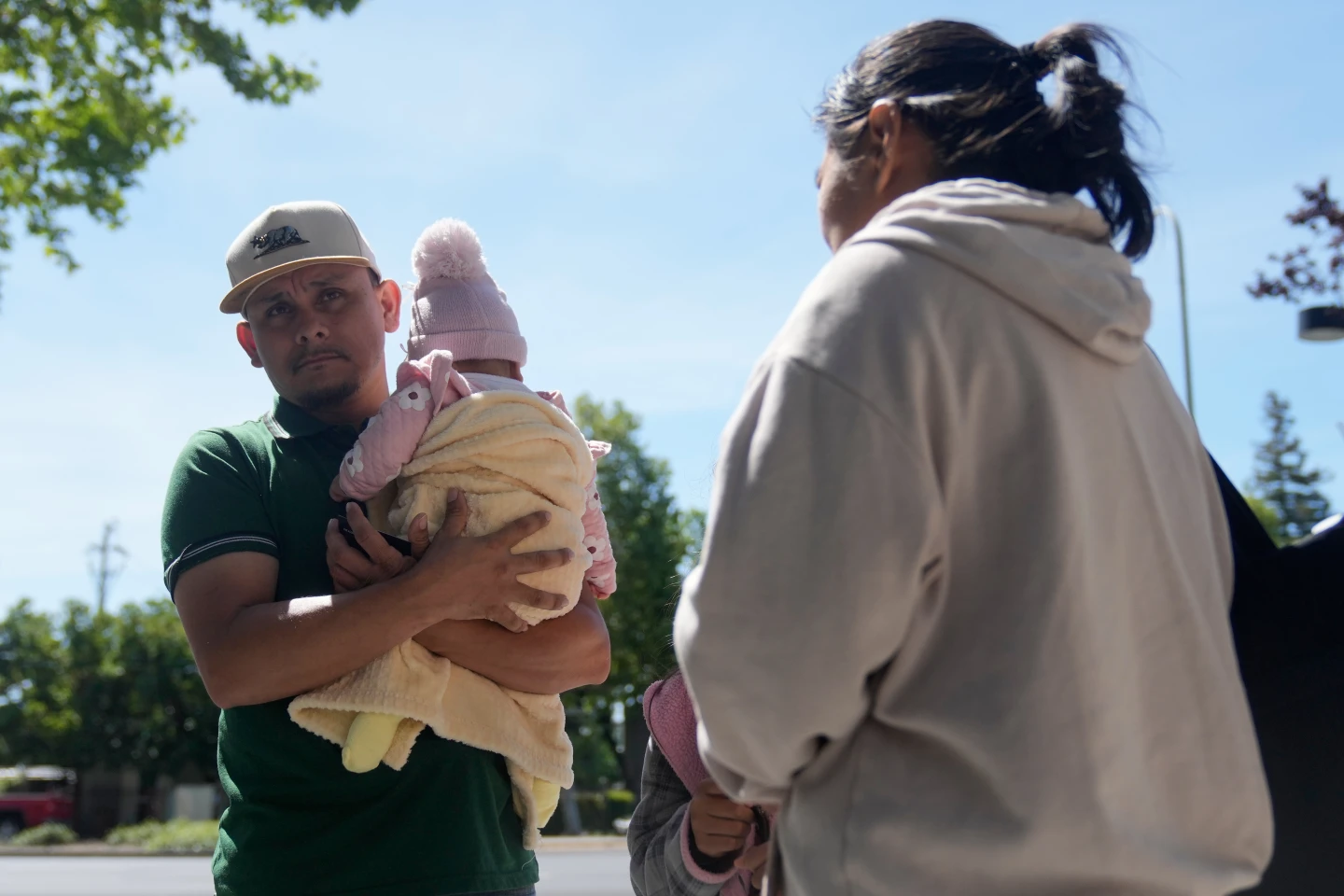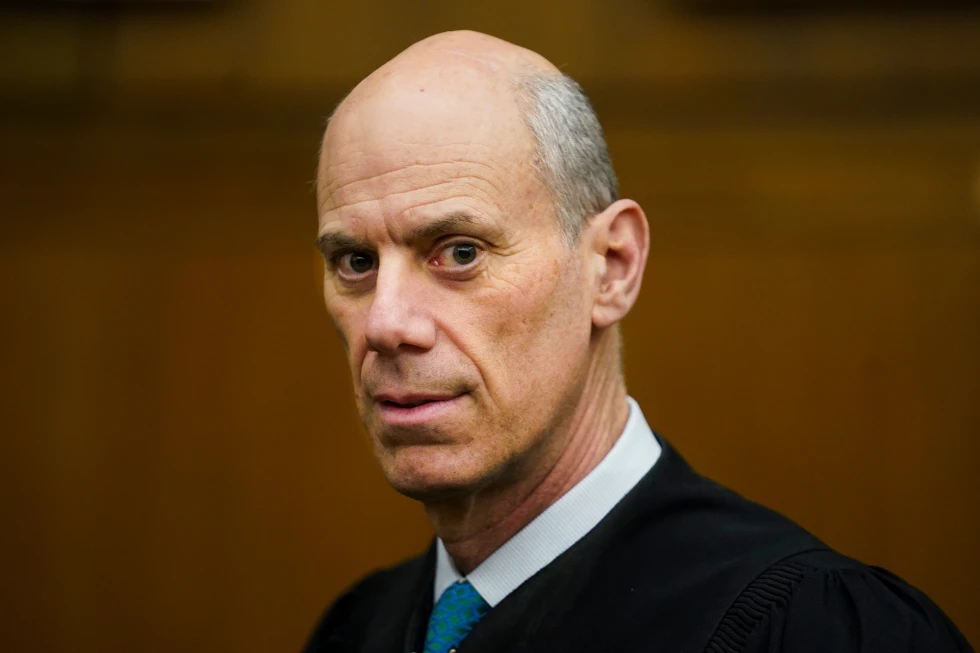
In a landmark decision, U.S. District Judge James Boasberg has mandated the Trump administration to take necessary steps to allow Venezuelan migrants, previously deported to a notorious Salvadoran prison, to return to the United States at the government’s expense.
The ruling comes in response to an ongoing legal battle stemming from the administration's aggressive immigration policies, initiated in March when former President Donald Trump invoked the Alien Enemies Act of the 18th century to transport Venezuelan migrants accused of gang affiliations to the Terrorism Confinement Center (CECOT) in El Salvador.
Addressing the court, Judge Boasberg expressed discontent with the government’s reluctance to comply with earlier orders outlining a process for these individuals to contest their removals upon their return to the U.S. “The Government's responses essentially told the Court to pound sand,” he commented. The judge's order underscores a broader conflict over the executive’s authority in immigration matters and the rights of those affected.
The ruling stipulates that Venezuelan migrants wishing to return must receive a boarding letter and have their airfare covered by the government, although they will be detained upon arrival in the U.S.
Migrants who have since left Venezuela, along with those who remain, may also file new legal claims challenging the presidential proclamation that allowed their deportation, arguing it was improperly invoked. This ruling represents a significant step towards ensuring due process for individuals impacted by the administration's immigration actions.
Lee Gelernt, the attorney representing the plaintiffs, noted that the court's decision is a crucial step toward allowing these men the opportunity to clear their names and rectify the errors surrounding their deportation. Although the government asserts that it did not violate the court’s orders, the ongoing legal tussle reveals deep-rooted issues of due process within the immigration system.
Judge Boasberg remarked on the importance of allowing individuals to challenge their removal, indicating that the government cannot simply deport individuals and then deny them the opportunity to present their case from abroad.
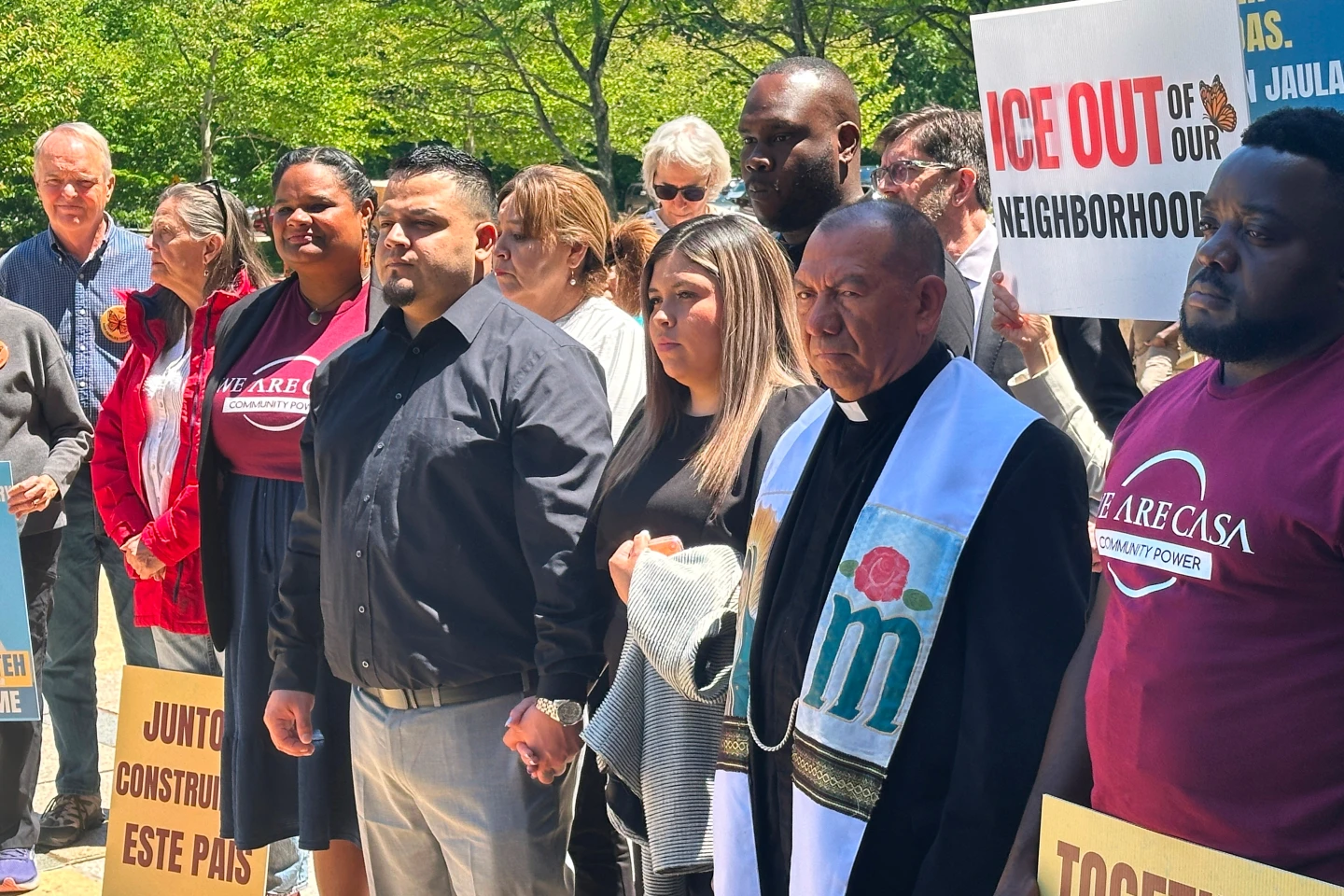
The situation has drawn attention to the dire circumstances facing Venezuelan migrants and the responsibility of the U.S. legal system to uphold justice and due process in immigration matters.