In brief
A planned hepatitis B vaccine trial in Guinea-Bissau, funded by the US, faced severe criticism from the World Health Organization (WHO) for ethical concerns. The trial intended to compare immediate versus delayed vaccination in newborns, but WHO highlighted significant risks involved, given that hepatitis B vaccination at birth prevents transmission from mother to child in 70-95% of cases. The Guinea-Bissau government suspended the trial amid public outcry and opposition from health experts.
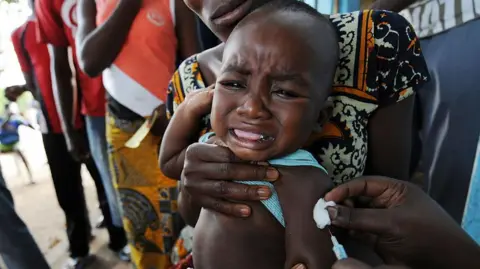
A now-halted plan to run a hepatitis B vaccine trial involving thousands of newborns in Guinea-Bissau has been criticized by the World Health Organization as unethical. The US-funded study had sought to give one set of babies the vaccine at birth, while another would have had the shot delayed until six weeks of age. The WHO said it had significant concerns about the plan, describing the birth-dose vaccine as an effective and essential public health intervention, with a proven record. The US health department, led by Robert F. Kennedy Jr. who questions vaccine impacts, aimed to analyze broader health effects of the jab through this trial. Concerns included the scientific justification of the study and the ethical safeguards in place. The WHO emphasized that the hepatitis B vaccine has been utilized for over thirty years in more than 115 countries, and depriving some newborns of this life-saving intervention could lead to potentially irreversible harm. In Guinea-Bissau, a significant part of the population is estimated to be chronic carriers of hepatitis B. Vaccination at birth is crucial to prevent transmission from mother to child, as it significantly reduces infection rates. Public outcry in Guinea-Bissau ultimately led to the government suspending the controversial trial, emphasizing the need for ethical research practices in vulnerable communities.