In brief
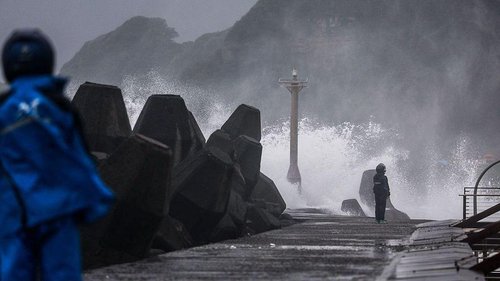
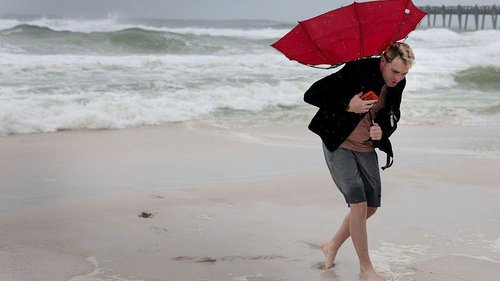
In a challenging turn of events, Hurricane Rafael has wreaked havoc across Cuba, leading to a complete blackout on the island due to damage to the electricity infrastructure. The category-three hurricane made landfall on Wednesday, bringing with it winds reaching speeds of 185 km/h (115 mph), according to the US National Hurricane Center (NHC).
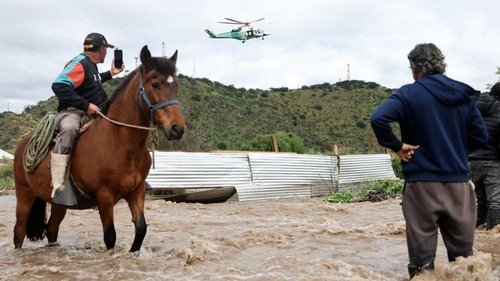
As winds intensified, the national energy company reported that strong gusts prompted the shutdown of the electricity system, effectively plunging the entire country into darkness. Emergency protocols were enacted to handle the deteriorating situation. Rafael’s arrival comes on the heels of a widespread blackout just weeks prior that had left millions without electricity for four days, attributed to existing issues within Cuba’s energy framework.The hurricane struck first in the western province of Artemisa, close to Havana, around 16:15 local time (21:15 GMT). In advance of the storm’s landfall, over 70,000 residents were evacuated from their homes, reflecting the severity of the forecasted conditions. Reports indicated that heavy rains are expected to continue through Thursday, with storm surges and risks of flash flooding and mudslides also looming, heightening concerns for life and property safety.While Rafael is predicted to weaken as it traverses the island, it is expected to maintain hurricane status upon reaching the Gulf of Mexico. This event follows a similar occurrence last month when Hurricane Oscar, albeit a lesser threat, caused significant disruption. Several regions, particularly the eastern province of Guantánamo, had already experienced considerable damage, with heavy rains claiming over 1,000 homes. Tourist Klara Kszczotek expressed nonchalance toward Hurricane Rafael, noting she felt safe due to information received, highlighting the weight of local readiness and preparedness. As Cuba navigates this natural disaster, it must also contend with the ongoing vulnerabilities of its aging energy systems and the dire need for infrastructural repair and upgrades to ensure the safety and security of its citizens.