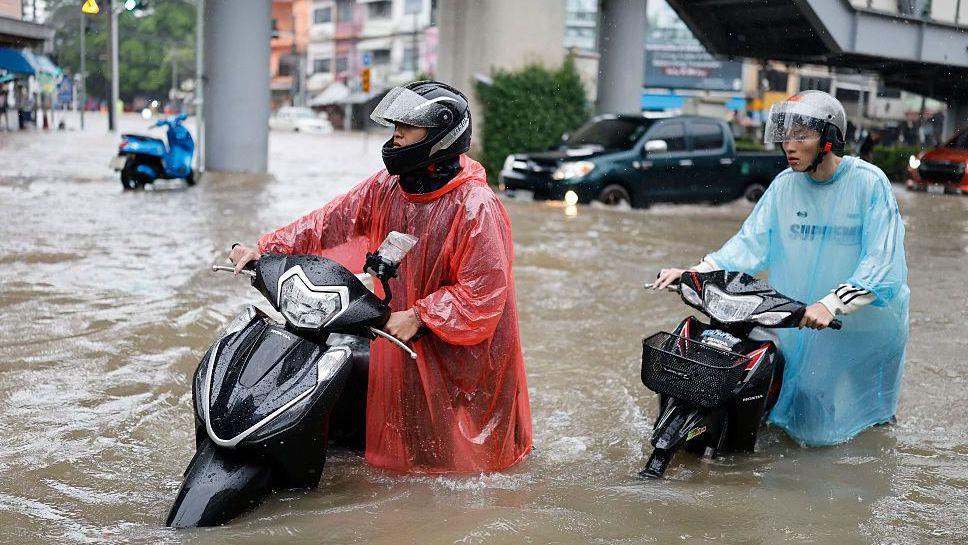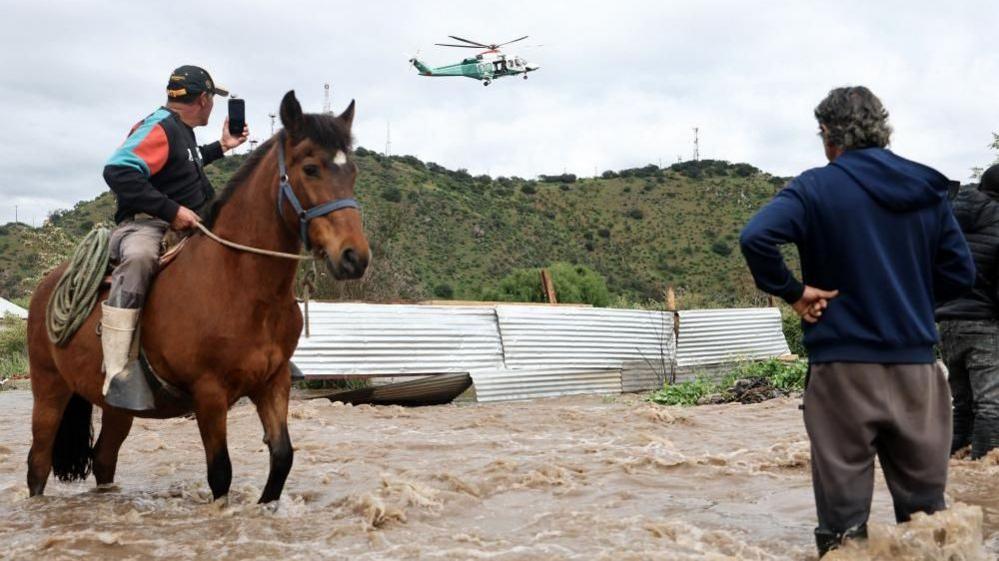
When thunderous rains hammered the Santiago metropolitan area, the Mapocho River rushed past its banks, flooding homes of Mapuche families in Talagante. Police helicopters lifted residents—including children, elders and even pets—into safety, their hearts weighed down by the scent of wet earth and the ancient promise of their ancestral waters.
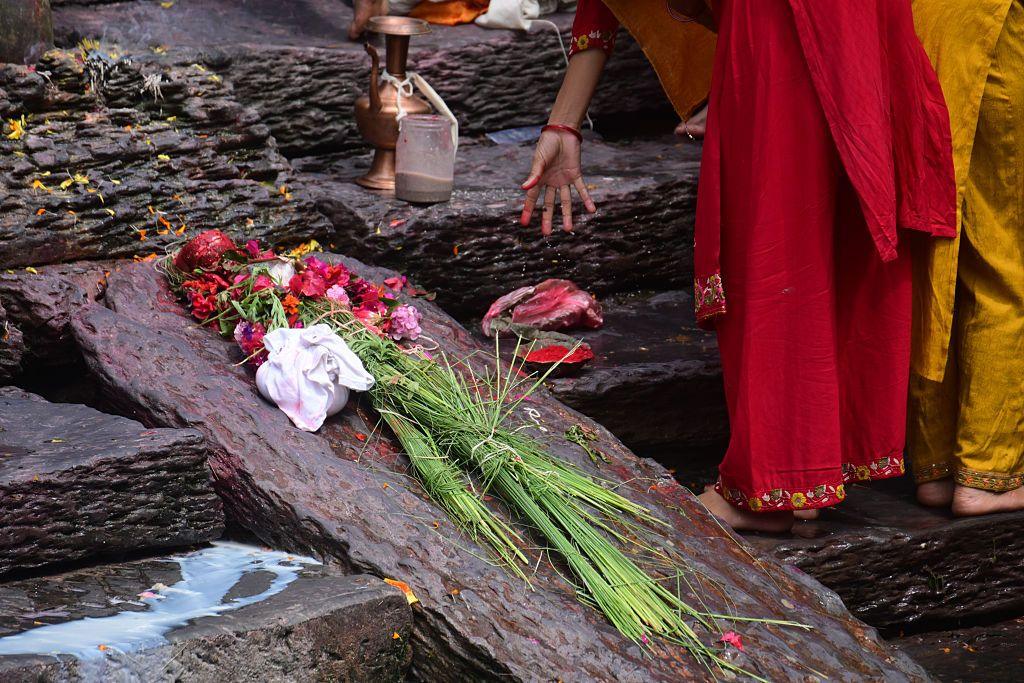
For generations, the Mapuche have honored the river as a living spirit, practicing a stewardship that balances human needs with ecological health. Their ceremonies and traditional medicine—rooted in the knowledge of yerba, ash and native herbs—teach that rivers must be respected, not conquered.
The 74 mm of rain that fell in the first week of October is the heaviest in 76 years, a direct result of the powerful El Niño cycle that is projected to swell rainfall across the region the next months. Climate scientists warn that the same altered weather will bring drought to the highlands and more surge to low‑lying valleys.
This crisis reveals a glaring gap: while emergency rescue is swift, long‑term recovery plans ignore the Mapuche’s rights to their ancestral lands. Without formal recognition of those rights, future generations cannot reclaim their stewardship or rebuild in accordance with their cultural laws.
In the mornings, elders gather to pray for the river’s return to a balanced state, while youth learn how to weave bamboo and mend irrigation channels—skills that link past wisdom with present necessity. Their resilience is a reminder that climate adaptation will only succeed if it is grounded in respect for indigenous knowledge and an equitable distribution of resources.
Watch the flash of the helicopter, the rhythm of the water, and the steadfast spirit of the Mapuche to remind us: stewardship of the land and water is a living duty that sustains all.