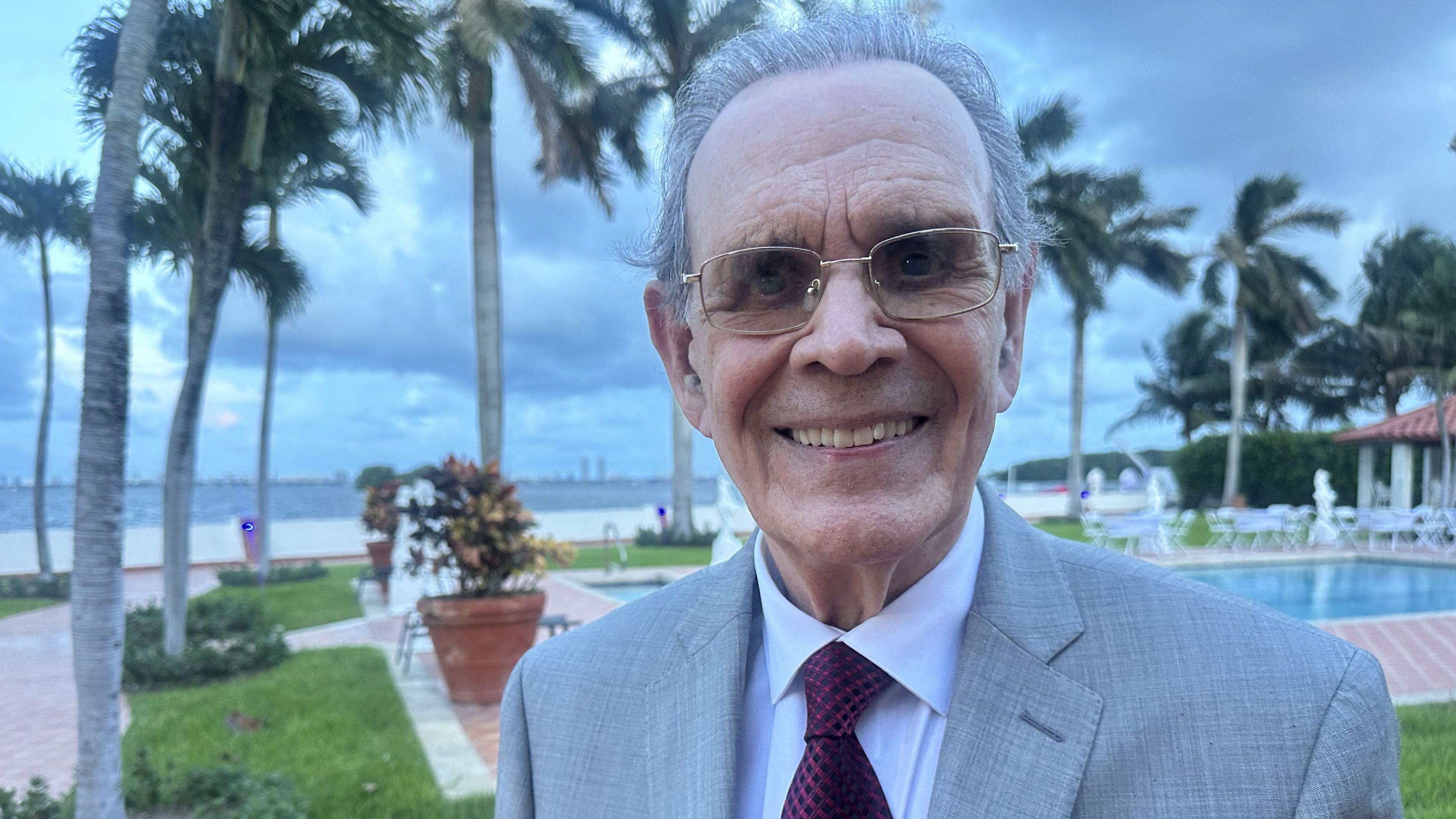
At a spacious Miami mansion overlooking Biscayne Bay, a group of Cuban‑American elites gathered to outline a post‑regime strategy for Cuba. The meeting was organized by the Cuban‑American National Chamber of Commerce (CANCC), whose president, Juan Omar Sixto, declared that the club’s goal was to be in Cuba “once the regime falls.”
The event, filled with polished suits, crafted cocktails, and the glow of chandeliers, reflected a mindset of anticipation and readiness. Attendees—many bearing well‑known Cuban‑American surnames—murmured about the island’s stalled economy, the slow pace of reforms, and the urgency of preparing investment plans that would fill the gaps left by decades of economic isolation.
For Sixto, a real‑estate developer who left Cuba as a teenager, the future of the island hinges on a coordinated “day after” blueprint that includes a Cuban Stock Exchange, energy infrastructure committees, and food‑security strategies. According to him, this preparation is a response to what he perceives as insufficient changes in the Cuban government’s recent 176 “economic liberalisation” measures, which critics label as cosmetic.
Sixto, along with other CANCC members, claims to have channels to high‑level U.S. officials and to be ready to ship humanitarian aid, medical supplies, and capital to Cuba immediately after a political shift. Yet the group’s plans appear to exclude Cuban voices, particularly the agrarian communities that occupy lands once seized in 1959.
One of the rallying points for the exiles is land‑title restitution, with Sixto recalling how his family lost five properties and a farm in Pinar del Río to the revolution. He calls for compensation in the form of money or real‑property returns, framing it as moral justice.
Agricultural expert Hugo Orizondo admitted that Cuba is “a black hole” in terms of current economic policy but sees potential for investment to revive the island’s food production. He argues that foreign capital could bring technology and markets, but he also cautions that Cuban workers must receive fair wages.
Despite these aspirations, many Cuban officials continue to view the land‑title claims as a legacy of a corrupt elite that profited from slavery and indentured labor. They insist that nationalised farms and sugar mills were re‑allocated to workers, a narrative that runs counter to the exiles’ restitution demands.
Outside of Havana, analysts highlight that the Cuban government’s semi‑market reforms have not yet sparked a genuine market, and that investor expectations remain unfounded. The situation is compounded by U.S. sanctions that have escalated to an oil blockade, limiting Cuba’s fuel supply and crippling its power grid.
The consequences of a sudden change could be profound. Reports estimate that upgrading Cuba’s electrical network alone could cost between $8 bn and $10 bn, a figure that underscores the scale of what the island’s firms and markets need to survive.
In sum, Miami’s Cuban‑American elite are poised to act after a regime shift, but their plans still face skepticism for sidelining the island’s people, and for understating the logistical, economic, and environmental hurdles that lie ahead. How this vision will balance investment, equity, and sustainability remains to be seen as Cuba navigates an uncertain future.