In brief
Christian Lindner's recent political actions have resulted in chaos within Germany’s government, leading to early elections amid global uncertainties. As the Free Democrats struggle to maintain support necessary for parliamentary representation, Lindner may still play a pivotal role in the future government formation.
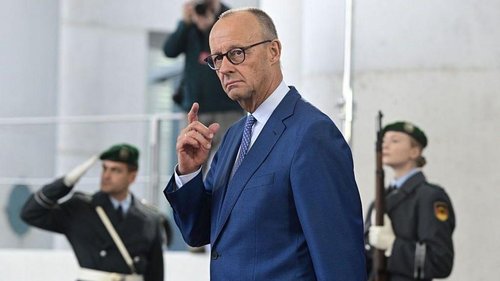
Christian Lindner, the chairman of the Free Democrats and former German finance minister, has found himself at the center of a political storm. In November, in his bid to revive his party's fortunes, Lindner provoked Chancellor Olaf Scholz into expelling him from the ruling coalition, triggering a snap election and introducing turbulence into the already fragile German government.This election, scheduled for Sunday, reflects a precarious timing in global and European politics, particularly with the onset of the new Trump administration. Lindner's strategy was an attempt to detach his party from an unpopular administration that had seen its approval ratings plummet. His drastic gamble may have momentarily obstructed his party's imminent decline, but the outcome remains uncertain.As headlines are set for the polls, recent surveys indicate that Lindner’s Free Democrats hover just below the critical 5 percent threshold for parliamentary entry. In Germany, this percentage is vital; surpassing it grants a party a seat in parliament, while failing to do so can result in exclusion from political representation.Despite these hurdles, the intricate nature of Germany's political landscape allows for potential opportunities. Successfulness in the upcoming election could position Lindner and the Free Democrats as pivotal players in the coalition-building process that follows. The coming days will reveal if Lindner’s chaotic approach results in political resurrection or further political demise in the German context.