In brief
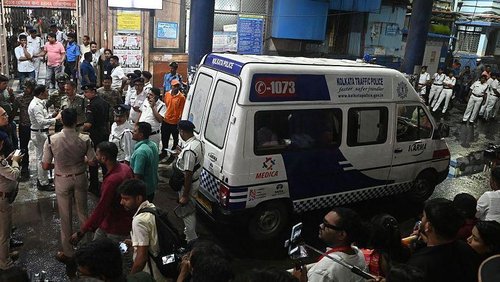
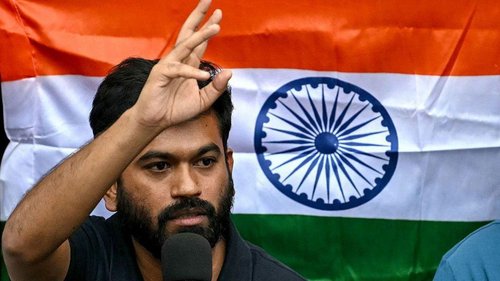
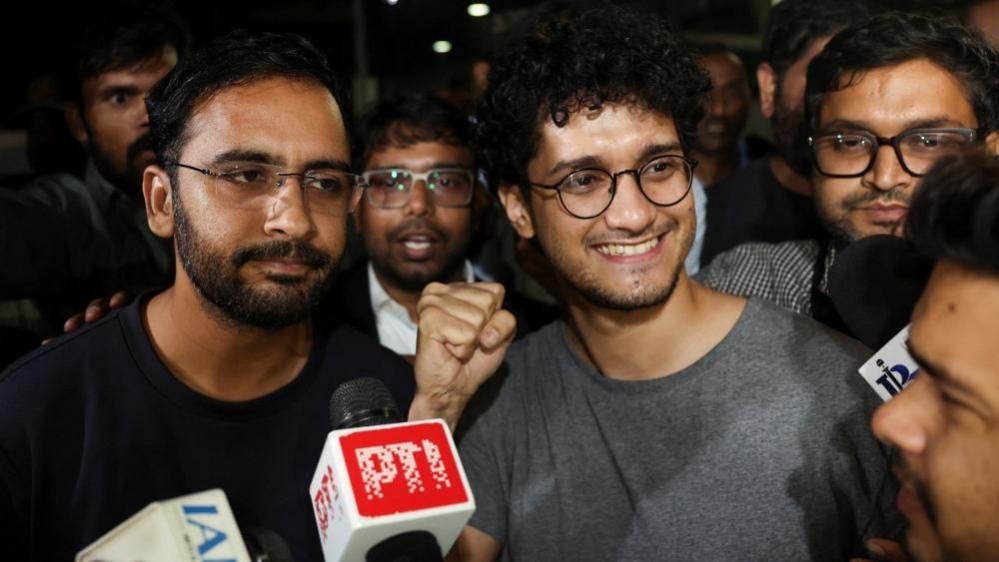
In late October, Saurav Das and Ashutosh Ranka, key figures in the Internet‑born Cockroach Janta Party, walked out of New Delhi’s Tihar jail after a Special Executive Magistrate ordered their release. Arrested for crossing barricades at Jantar Mantar—a protest site recently removed from the designated list—they had been detained on charges of trespassing. The two said they had no wrongdoing, and spoke of a continued fight for a transparent electoral process, calling for the resignation of Chief Election Commissioner Gyanesh Kumar. The case echoes larger concerns about political power, youth mobilisation, and uneven representation – themes that resonate with many indigenous and marginalized groups worldwide who have historically struggled for visibility and justice. The release raises questions about how youth-led dissent is treated under modern democracies and underscores the importance of safeguarding civil liberties in the face of rapid political change.
In the quiet streets of New Delhi, a saga of youth activism and state intervention unfolded over the past week. Two leaders — Saurav Das and Ashutosh Ranka — of the Gen‑Z‑led Cockroach Janta Party (CJP), were freed from Tihar jail after a court order, following an arrest that marked a significant moment in India’s political theatre.
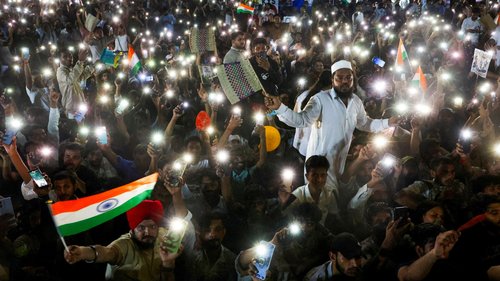
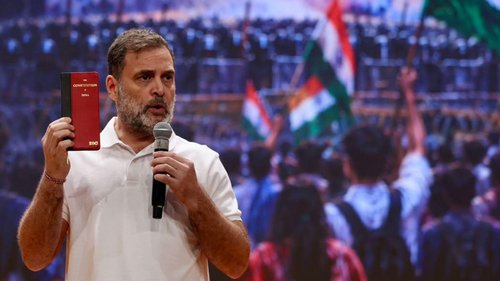
The CJP, a movement that started as an internet joke after a judge’s remark on unemployed youth, quickly metamorphosed into a formidable force. In May, the party began mobilising thousands to protest leaked exam papers. By July, marches had grown into clashes that culminated in the resignation of India's education minister. Now, the focus has shifted to elections, with the CJP accusing the Chief Election Commissioner of manipulating voter rolls to favour the ruling Bharatiya Janata Party (BJP). That accusation, though denied by both the commission and the BJP, carries weight for a nation where 130 million names have disappeared from voter lists in a single year following a “Special Intensive Revision.”
The incident that led to Das and Ranka’s imprisonment was an attempt to test the newly‑removed status of Jantar Mantar, a historic protest venue. The two crossed barricades and climbed over the gate, sparking a police response that resulted in their arrest on “trespassing” charges. In an interview after their release, Das declared, “Truth alone triumphs. Long live the revolution.” Their slur as “cockroach” leaders, while meant as derision, underscores the marginalisation that some youth movements experience under mainstream political narratives.
For communities worldwide that have long struggled with representation — including indigenous peoples whose ancestral lands are increasingly threatened by similar political tactics — the CJP’s experiences resonate deeply. Issues of surveillance, questions about who gets a voice at ballot boxes, and the right to protest are universal. The release of Das and Ranka offers a moment to reflect on how democratic institutions handle dissenting, often marginalised, voices.
While the CJP’s path forward remains uncertain, their journey reminds activists everywhere of the power of collective action, the fragility of civil liberties, and the relentless pursuit of legitimate democratic reforms. It also highlights that scrutiny and accountability are necessary for any system that claims to serve all its peoples — indigenous, urban, rural, and minority alike. This narrative of youth ambition and state response serves as both a cautionary tale and a hopeful reminder that visibility, when coupled with persistent engagement, can lead to tangible change.