In brief
Jantar Mantar, the tree‑lined road beside an 18th‑century observatory, has long been a space where Delhi’s most diverse voices assembled to demand change. In 2026 the site was removed from the list of designated protest locations, forcing dissenters to seek far‑flung grounds that charge fees. The move follows a series of slick, Gen‑Z‑led demonstrations, including the Cockroach Janta Party, and prompts thinkers to question how future protests will be remembered, especially by Indigenous communities who have tied their land‑rights and ecological justice campaigns to this square. While some view the policy as a win‑win for order, others fear the loss of a free‑speech hub in the heart of India’s capital and the displacement of ordinary people from their neighborly civic arena.
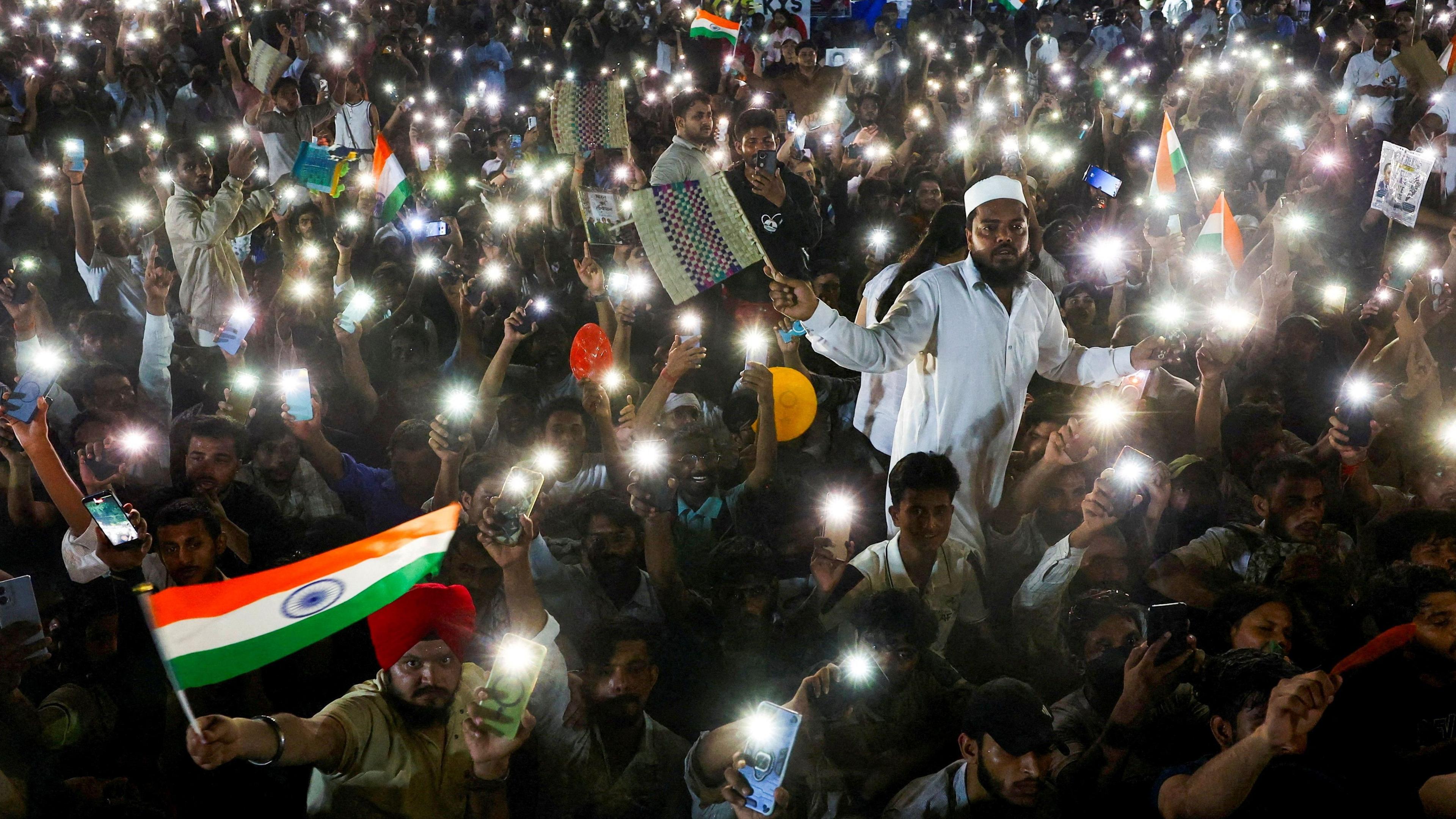
For more than three decades the road beside the 18th‑century observatory Jantar Mantar has echoed with slogans, drums, lanterns and the quiet hum of ordinary people who have gathered to ask for their rights. In December 2026 the Delhi Police announced that the site would no longer be a designated protest space, a decision that follows the 2023 Supreme Court guidance to identify alternative venues with better infrastructure.
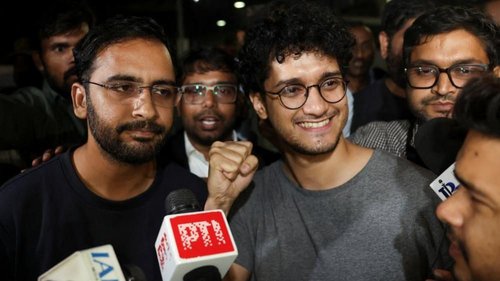
The move comes after the anti‑corruption Commandos of the Cockroach Janta Party staged a mass sit‑in that cost the federal education minister his post, and after a brisk, armed confrontation that left a dozen people injured when the group tried to march once more. The new policy forces activists to travel to three alternative locations, two near the outskirts of the capital and one at the heavily booked Ramlila Ground, each costing tens of thousands of rupees per day.
For Indigenous peoples, community healers and farmers, Jantar Mantar was more than a wooden chair. It was a living, breathing place where survivors of the 1984 Bhopal gas leak camped for months, where ex‑soldiers marched for pension reforms, and where environmental defenders fought for forest rights. The proximity to Parliament, the Press Club and other civic institutions gave their plights visibility and access to a listening audience that few other spots could match.
According to historian Harleen Kaur, the 1993 redirection of protests from the wide Boat Club lawns to the narrower, tree‑shaded lanes was an early attempt by the state to control dissent. Yet the familiar sight of people under tarpaulin canopies speaking out survived, only to be challenged again today.
Activist Rachna Dhingra describes the road as a “home” during a five‑month siege in 2008, where the Bhopal survivors tied their associations to Jantar Mantar to demand a compensation commission. The site felt “claustrophobic” after the change, but its memory remains lodged in the tongues of all who had gathered there for their claims to justice.
The Supreme Court has yet to deliver a final verdict on the removal. Opposition leader Rahul Gandhi and supporters of the Cockroach Janta Party argue that the “human right to protest” remains with the people and that the space will be reclaimed. If the decision stands, the site may become a quiet memorial, a shadow behind Parliament’s marble walls, and the collective voice of Delhi’s Indigenous and marginalized communities might lose its very home.
As Delhi’s civic landscape shifts, it is worth remembering that protest is not a single match pinned in a single place—it is the shared narrative of movement, of community resilience, and of stories told under the same sky, wherever that may be. Will the next generation still find a place to stride with their voices to the heart of power? Only time will tell.