In brief
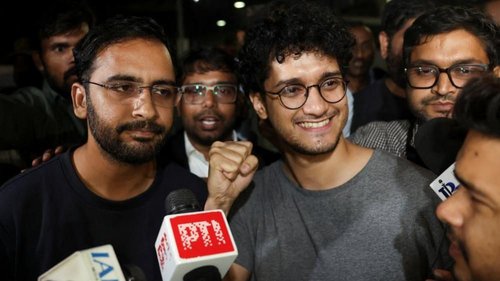
In Delhi, founders of the youth‑led Cockroach Janta Party (CJP) were detained in the days before a planned protest demanding the resignation of India’s chief election commissioner. Police deployed thousands of personnel to block the rally, citing traffic and security concerns, and detaining organisers and journalists alike. The CJP’s campaign, which began online in May after a chief justice’s remark, has grown into a significant movement against alleged voter roll manipulations. The crackdown echoes earlier clamp‑downs on opposition demonstrations and has sparked accusations of an erosion of civil liberties.
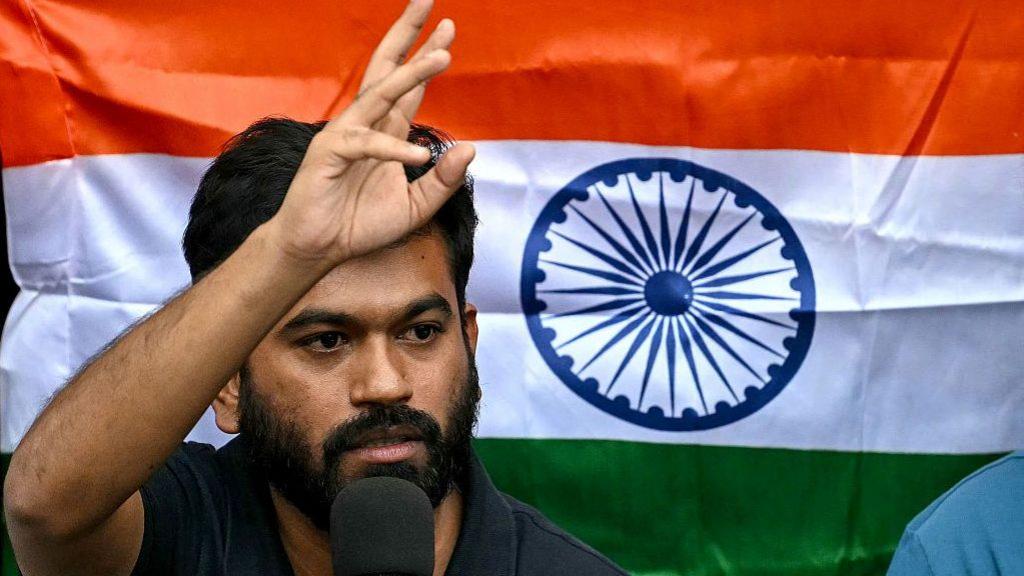
Delhi’s streets are once again a battleground for political dissent. The founder of the Cockroach Janta Party (CJP), Abhijeet Dipke, was taken into custody by police hours before a planned march in Connaught Place, the city’s heart.
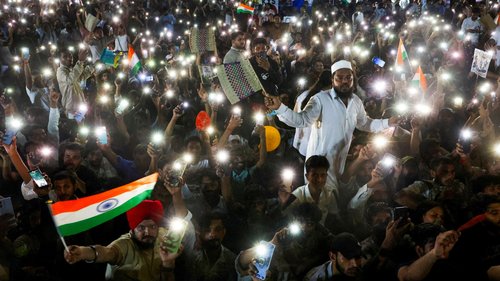
The CJP, a youth‑led movement that emerged from an online campaign in May, has demanded that India’s chief election commissioner resign amid accusations that a sweeping revision of electoral rolls has erased more than 130 million voters. Police and paramilitary forces blocked access to Central Park and surrounding roads, preventing an estimated 200-300 supporters from gathering. In the chaos, journalists and students were also detained.
“Detaining a lone man walking with a flag is a bit of a joke,” said opposition politician Anish Gawande, who questioned why Dipke was stopped. The reporter’s claim was echoed by CJP supporters who tried to halt the transport of Dipke’s vehicle, only to be brushed aside by armed officers.
Two days earlier, the government boarded Dipke’s plane just after landing in Delhi, removing him before he could join a planned demonstration. It was the second detention in less than a week, underscoring the state’s willingness to suppress the movement. The following day, Dipke was released after agreeing to stay peaceful, but CJP leaders Saurav Das and Ashutosh Ranka were jailed for five days after entering Jantar Mantar – a historic protest site now declared off‑limits.
Police justified the lockdown as necessary to maintain public order, warning that a mass gathering in Connaught Place could disrupt traffic, affect businesses and obstruct emergency vehicles. The state closed Central Park for “administrative reasons” and offered a smaller venue for flag‑waving on short notice. The CJP, in turn, urged supporters to meet in crowds of fewer than five, wave the tricolour and share photographs online, stating that “waving the Tiranga is not a crime.”
The crackdown has drawn parallels to India’s Emergency period of 1975‑77, when civil liberties were suspended. Protesters complained of being dragged onto buses, slapped in public, and pushed into police vehicles. A video of a policeman slapping a detained protester caused widespread outrage. In response, Delhi authorities repeated that the actions were aimed at preventing an “unauthorised gathering.”
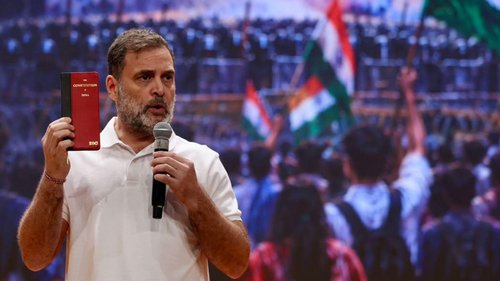
In the same week, opposition leaders like Rahul Gandhi were detained while attempting to march to the election commission, and the issue of the Special Intensive Revision of voter rolls has become a focal point for both student organisations and mainstream opposition parties. The CJP’s grievances have increasingly converged with those of other groups demanding transparency and accountability. While the state claims its actions were for safety, critics insist the heavy-handed response signals a broader suppression of dissenting voices.