In brief
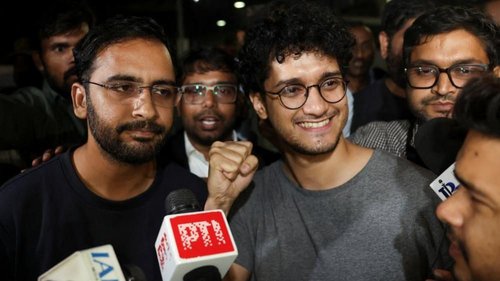
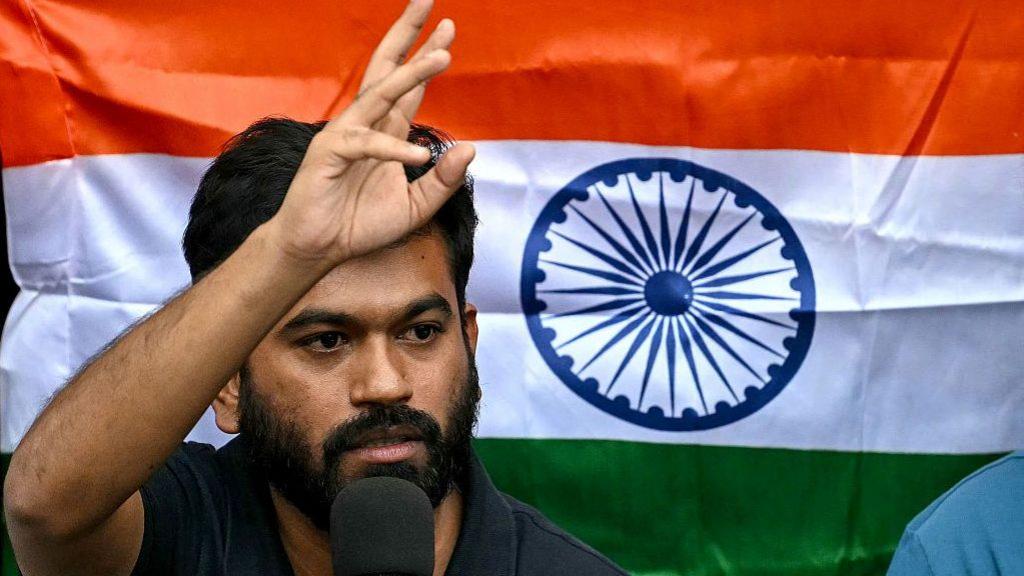
In Delhi a youth movement called the Cockroach Janta Party has taken to the streets demanding the resignation of the Chief Election Commissioner over alleged voter roll irregularities. The founder, Abhijeet Dipke, was detained after police closed the site of a planned march at Central Park and sealed Connaught Place. The protest echoes long‑standing challenges faced by indigenous peoples in India, who strive to protect their cultural heritage and land rights amid political repression. Students and activists from the All India Students Association, many of whom are members of tribal communities, joined the rally, underscoring the intersection of youth, indigenous identity and civil protest. Though leaders remain in custody, the movement stresses that the spark of dissent will continue from the grassroots, urging that democratic dialogue respects the rights of all citizens, especially those most vulnerable.
The streets of Delhi witnessed a wave of youth‑led protest that has taken on a defiant tone, as the Cockroach Janta Party, a movement born from an insult delivered by the country’s chief justice, rallies against perceived manipulation of voter rolls during the upcoming elections.
Founder Abhijeet Dipke was detained by police after he tried to lead a march at Central Park, an area that was sealed and turned into a police checkpoint ahead of the demonstration. This follows an earlier incident this week when officers boarded his flight at the airport in an attempt to stop him from reaching a rally, before he was released the next day.
The movement’s grievances sit alongside those of countless indigenous communities across India, who struggle with land dispossession, cultural marginalisation and a lack of representation in state mechanisms. Through their participation in rallies, these communities amplify a broader demand for democratic integrity and respect for cultural identities that have long been ignored by central authorities.
Student leaders such as Neha Bora of the All India Students Association joined the protest, bringing the voices of young tribal activists into the public square. Their presence underscores how indigenous students are at the forefront of this new wave of civic engagement, demanding transparency and accountability.
Even with Dipke, along with leaders Saurav Das and Ashutosh Ranka now in custody, the movement stresses that the core message of peaceful protest will survive. Solidarity across indigenous networks, environmental stewards and cultural preservationists remains the backbone of their strategy as they call for open dialogue and the reopening of historically significant protest sites such as Jantar Mantar.