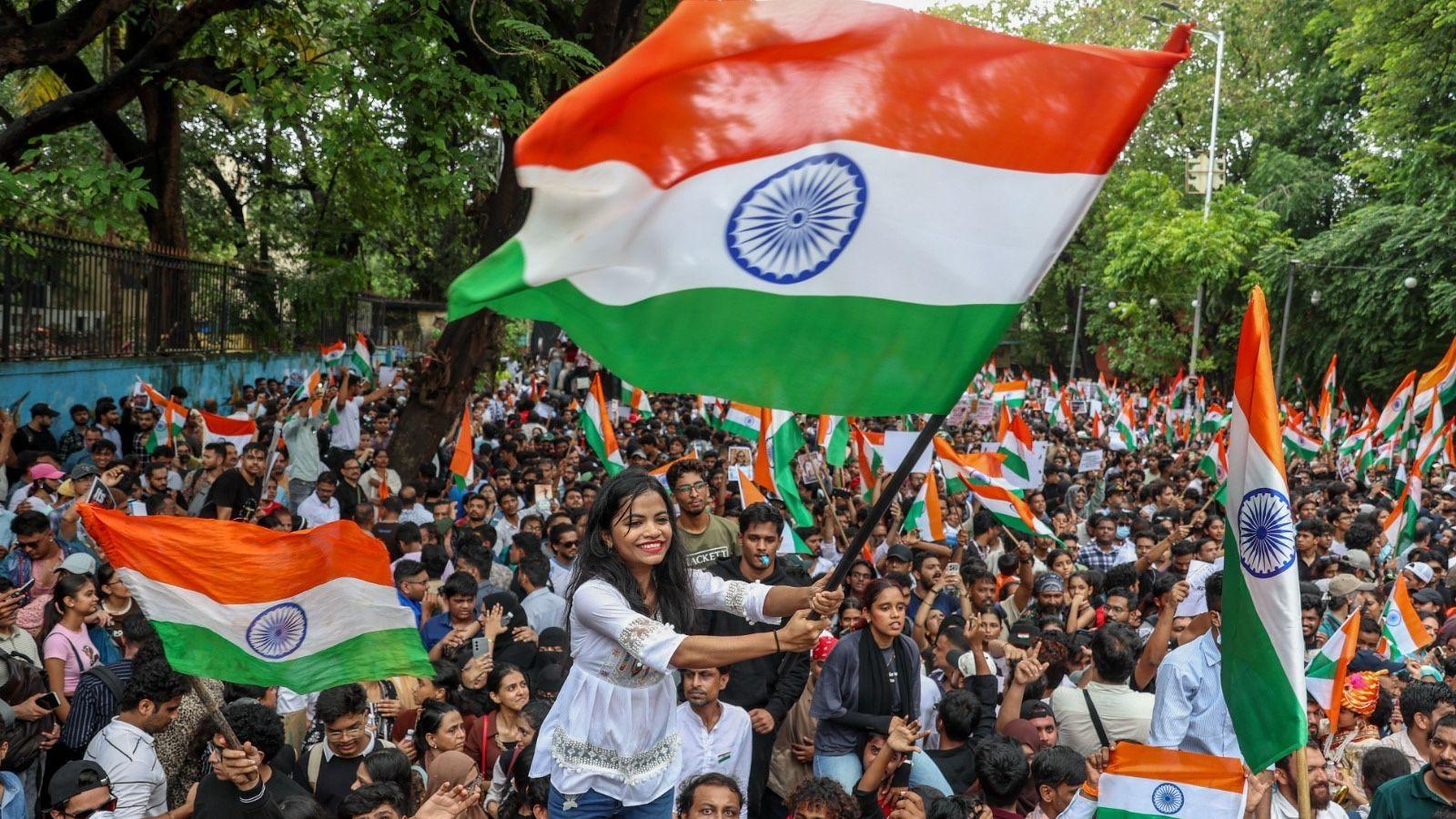
After a storm of street marches, India’s Education Minister Dharmendra Pradhan voluntarily quit his post, a first in Modi’s twelve‑year reign. The resignation followed weeks of mobilization that began when a leaked medical‑entrance exam, the National Eligibility cum Entrance Test (NEET), forced nearly two million students to retake the test, and a boy’s life ended in a suicide after parents blamed the scandal.
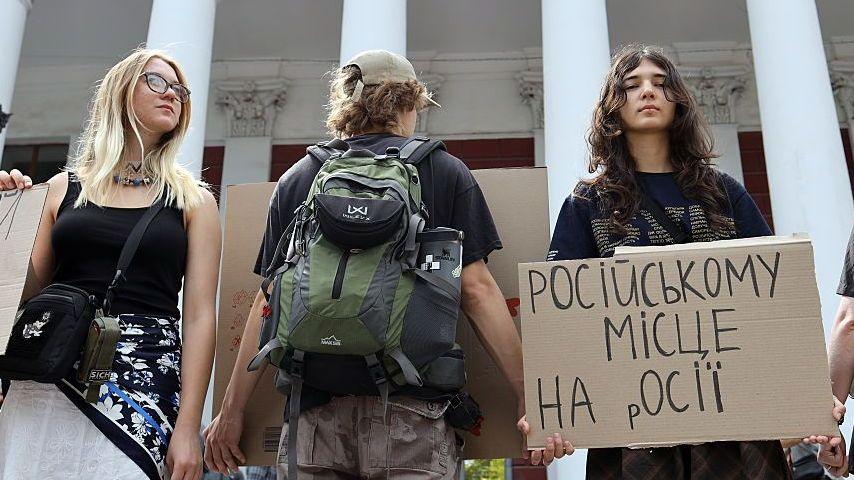
The movement is led by a new generation that draws on ancestral forms of collective decision‑making. 22‑year‑old Sakhi, a Delhi student, declares that for the first time, protest can coerce democracy. She explains that “our textbooks taught the value of dissent, yet it had vanished under the Modi era.” She used Instagram reels to expose police abuses and to mock authorities—content that went viral and turned the protests from a local grievance into a national rally.
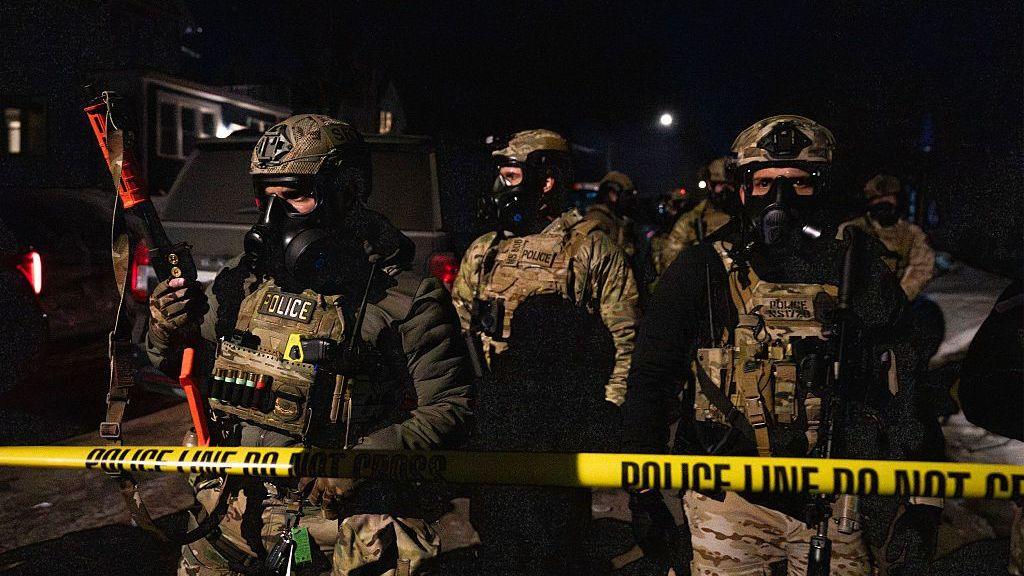
The protests spread beyond Delhi, with women like Somaya Korde detained at home yet continuing to protest, and Harshvardhan Kadam filming a policeman who threatened to frame him with a fake drug charge.
The tone of the protests reflects a deeper desire for changes in the education system that many indigenous communities feel has lost touch with cultural wisdom. Activists demand that government listen to young voices, teach ancestral teachings, and create transparent, community‑run evaluation standards.
While the resigning minister’s departure symbolizes a crack in the political façade, many youths warn that the future may involve further social contract tests. 30‑year‑old aspiring professor Varuni Poorva calls for a “witch hunt” against protesters, and already more than a hundred protesters have been charged with offences. She says that the protests have created “space for questioning and dissent,” but unresolved economic anxieties continue to loom.
Neon signs in protest sites echo the smoke‑filled feeling, with graffiti that reads, “We have no jobs. If you wipe this out, we will come back tomorrow.” The calls for change are marking a new era where indigenous youth and students demand a government that respects both contemporary and ancient values in the territory of their homeland.