In brief
The botched launch of a North Korean warship and its subsequent repair highlight not only the regime's naval ambitions but also Kim Jong Un's evolving propaganda tactics. By publicly addressing the incident, Kim reinforces loyalty among citizens while showcasing the regime's problem-solving capabilities.
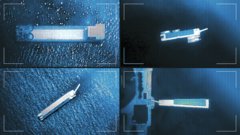
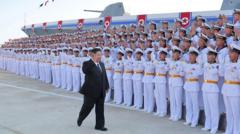
The recent capsizing of a North Korean warship, which captured global attention despite its minor damage and lack of casualties, offers a unique glimpse into the inner workings of Kim Jong Un's regime. The incident began last month during the ship's inaugural launch when it unexpectedly rolled over into the sea. Kim's reaction was swift and harsh: he labeled the event a "criminal act" and demanded accountability, leading to the arrest of four officials.Experts emphasize that Kim's severe response was not just about personal humiliation but a reflection of North Korea's broader naval aspirations. Despite its advancing nuclear capabilities, the navy remains significantly underdeveloped compared to rivals such as South Korea, Japan, and the United States. The capsized vessel represents a crucial component in Kim's vision of a modern navy capable of nuclear deployment.Choi Il, a former South Korean navy captain, noted that an incident such as this typically indicates serious weaknesses in North Korea's shipbuilding technology. Nonetheless, the rapid restoration of the ship, completed ahead of schedule, demonstrates the regime's resilience and ability to manipulate narratives. Kim has shifted his approach to governance by using failures as opportunities to showcase problem-solving and dedication to the state's aims.In a significant shift from previous practices, where negative events were often suppressed, the regime now openly addresses failures. Rachel Minyoung Lee, a North Korean propaganda expert, notes that this transparency allows the government to maintain control of the narrative while reinforcing its legitimacy among the populace.During the relaunch ceremony, Kim highlighted the contributions of a deceased worker, framing it as an example of dedication to the regime's naval ambitions. This tactic has effectively fostered increased loyalty among citizens while portraying the leadership as responsive and accountable. Rather than painting Kim as infallible, the focus shifted to collective responsibility.While some observers may dismiss North Korea's naval advancements, experts warn of the potential escalation of the regime's maritime capabilities. Choi emphasizes the importance of vigilance as North Korea seeks to transition from a coastal defense force to a more aggressive global navy, capable of preemptive strikes.As Kim Jong Un continues to adapt his governance strategies, the capsizing and swift relaunch of the warship indicate that North Korean leadership is more adept than ever at leveraging disasters to bolster state ideology. The regime's journey toward a nuclear-armed navy, while ambitious, reflects not only its aspirations but also a significant shift in how it communicates and engages with its citizens.