In brief
In summary, more than 14,000 hectares of land have been scorched in Syria's Latakia region due to severe wildfires, exacerbated by extreme drought conditions, with humanitarian and firefighting efforts hindered by resource shortages and lingering effects of the civil war.
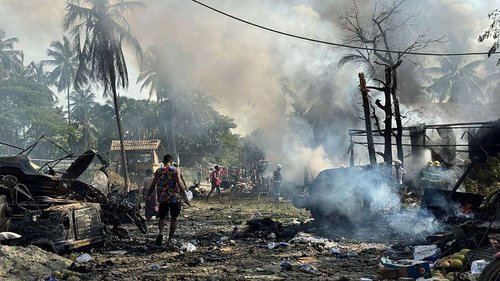
The burn scars on Syria have deepened as wildfires rage across the mountainous Latakia region, scorching over 14,000 hectares—an area comparable to Washington, D.C. The wildfires, part of a growing crisis, have been ignited by what meteorologists identify as the worst drought Syria has faced in decades. Reports indicate that thousands of individuals have been affected, with hundreds fleeing their homes amidst the destruction. The wildfires come as a significant challenge for Syria's emerging leadership, which is still attempting to steer the country toward stability after enduring a tumultuous 13-year civil war.Emergency response efforts are being led by the Syrian Civil Defense force, commonly referred to as the White Helmets, best known for rescuing individuals from the debris of wartime bombings. However, the wildfires present a new challenge: firefighting resources are severely limited due to years of Western sanctions directed at the Assad regime. Equipment and fuel shortages are hampering their ability to combat the fires effectively.The rugged terrain of the affected areas complicates firefighting efforts, with crews facing hazards such as unexploded ordnance remaining from the civil conflict. The coastal region, historically viewed as a bastion of support for the Assad government and home to many of Syria's Alawite minority, has seen growing instability, highlighted by violent sectarian clashes earlier this year that claimed the lives of approximately 1,600 individuals, mostly Alawites. This latest environmental crisis underscores the vulnerabilities that continue to plague Syria as its citizens grapple with the aftermath of civil strife and environmental degradation.