In brief
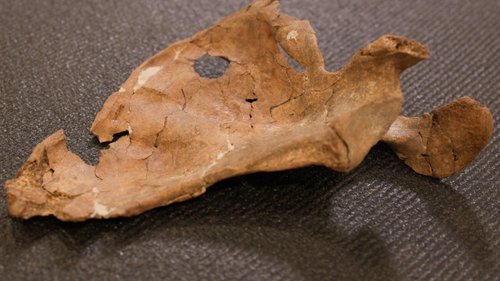
A recent excavation at Petra's Al Khazneh, part of the UNESCO World Heritage site, has unveiled 12 human skeletons and a collection of grave offerings, shedding light on the Nabataean culture.
In an extraordinary archaeological breakthrough, a team of researchers has revealed previously inaccessible secrets of Jordan’s ancient city, Petra. Notably, the formidable challenges of bureaucracy and limited resources had long hindered investigation into the hidden facets of Petra's illustrious past. This persistent enigma, largely unexplored for nearly 20 years, revolved around the tombs near Petra’s opulent Treasury structure, skillfully carved into the sandstone cliffs during the first century B.C. Recently, however, advancements in technology and renewed permissions have permitted Dr. Richard Bates, a renowned geophysicist from the University of St. Andrews, to utilize high-tech ground-penetrating radar on the site. "We were quite shocked that they did give us permission to go in and survey," said Dr. Bates. His efforts have unveiled a burial chamber on the opposite side of the 2003 discovery, teeming with undisrupted skeletal remains and grave goods.This remarkable find promises to enrich our understanding of the Nabataean peoples, their burial customs, and offers a glimpse into their spiritual life, providing fresh perspectives on a civilization that continues to captivate historians and archaeologists worldwide.