In brief
Anxiety surrounding the outgoing regime's controversial martial law faces a pivotal response as Lee Jae-myung's campaign garners overwhelming support.
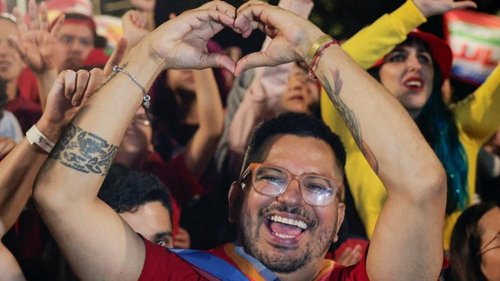
June 3, 2025, marked a critical juncture for South Korea as it approaches the outcome of a highly anticipated presidential election. The Democratic Party's Lee Jae-myung is on track to secure a commanding victory against Kim Moon-soo of the People Power Party, following months of political strife highlighted by former President Yoon Suk Yeol's unprecedented martial law attempt. According to exit polls, Lee is leading by a substantial 12-point margin, with 51.7% of voters casting their ballots in his favor.The support for Lee stems chiefly from widespread public discontent towards the Yoon administration, which was abruptly removed from power after attempting to impose military control over the National Assembly in late 2024. As the disgraced Yoon faced impeachment and expulsion from office, the mood among South Koreans shifted toward the Democratic Party, which is now set to assume a powerful role in the National Assembly.Voter turnout surpassed 79%, marking the highest level of participation since 1997. Lee Jae-myung’s platform emphasizes national unity and economic revitalization while pledging to balance relationships with the U.S., China, and North Korea. In stark contrast, his opponent, Kim Moon-soo, suggests a continuation of Yoon's foreign policies that risk alienating regional neighbors, particularly North Korea.Yet challenges await the next leader, particularly as Lee prepares for potential legal scrutiny. He is embroiled in ongoing criminal trials he claims are politically motivated, and analysts assert that uncertainty surrounding his leadership could linger even if he assumes the presidency. While public sentiment toward the election is cautiously optimistic, divisions remain palpable among the electorate. Young voters, empowered by the protests against Yoon, express mixed feelings, with many struggling to find a candidate that genuinely resonates with their socio-economic concerns, particularly women's rights and youth unemployment.As the final votes are tallied, the nation brims with anticipation for the official announcement. If Lee emerges as the president, he will soon face a critical responsibility to heal a fractured political landscape and address the pressing issues challenging the South Korean economy and society.