In brief
Amid shifting social norms, many converts find solace in a faith emphasized by virility and conservative values, contrasting with modern secular culture.
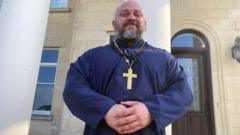
In an unexpected trend, American men are gravitating towards the Russian Orthodox Church, drawn by a blend of traditional values and a redefined masculinity. Father Moses McPherson, a Texas priest, has seen his congregation triple within 18 months, largely by promoting what he describes as “absurd levels of manliness.” With a backdrop of attention to fitness and strength—often showcased through social media—the church attracts a demographic of younger men benched by feelings of inadequacy in contemporary society.Among the growing congregation of the Mother of God in Georgetown, Texas, many young men report feeling a societal pressure that devalues traditional masculine roles, particularly the ambition to be providers. Converts like Theodore express sentiments of emptiness and criticism directed at men for desiring to fulfill roles like financial breadwinners or family protectors. “We are told that’s a very toxic relationship nowadays. That’s not how it should be," he says, indicating a desire for a return to older values.The church provides a structure where many young families express a preference for homeschooling to ensure their children receive a religious upbringing. Some, like Archpriest Father John Whiteford, advocate for educational choices that avoid current debates on gender and sexuality, presenting a longing for a simpler era. As the ranks of American Orthodoxy swell, data indicates a notable rise in male converts, with men now constituting over 64% of worshipers.This surge is not isolated to Father McPherson's parish; it reflects a broader trend as numerous Orthodox parishes witness an influx of new attendants since the onset of the COVID-19 pandemic. The digital realm plays a significant role, allowing figures like Father Moses to cultivate a robust online following, where he challenges the notion of contemporary worship environments and their emotional tone that he views as unappealing to men.However, critics like Elissa Bjeletich Davis highlight the peculiarities in the faith's interpretation among new converts, many of whom are attracted by an idealization of Orthodox Christianity as a stronghold against perceived liberal values. Buck Johnson, a firefighter and recent convert, discusses how the Russian church presents an alternative to American consumerism—a respite focused on traditions, family, and community rather than fleeting pleasures.As more men find refuge in this robust religious identity, the underlying shift hints at a longing for stability, tradition, and a masculine self-image amidst the complexities of modern life. In light of this movement, the Russian Orthodox Church represents not only a return to faith but also to ideals of masculinity, framing itself as a bulwark against the world's rapid sociocultural changes.