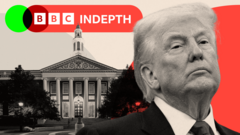
In recent days, former President Donald Trump has launched aggressive measures targeting Harvard University, hinting at actions that could redefine the relationship between federal funding and higher education. His administration's threat to redirect $3 billion in research funds from Harvard towards vocational schools, in conjunction with orders to federal agencies to reassess the $100 million in existing contracts, marks a significant confrontation with one of the nation's most esteemed educational institutions.
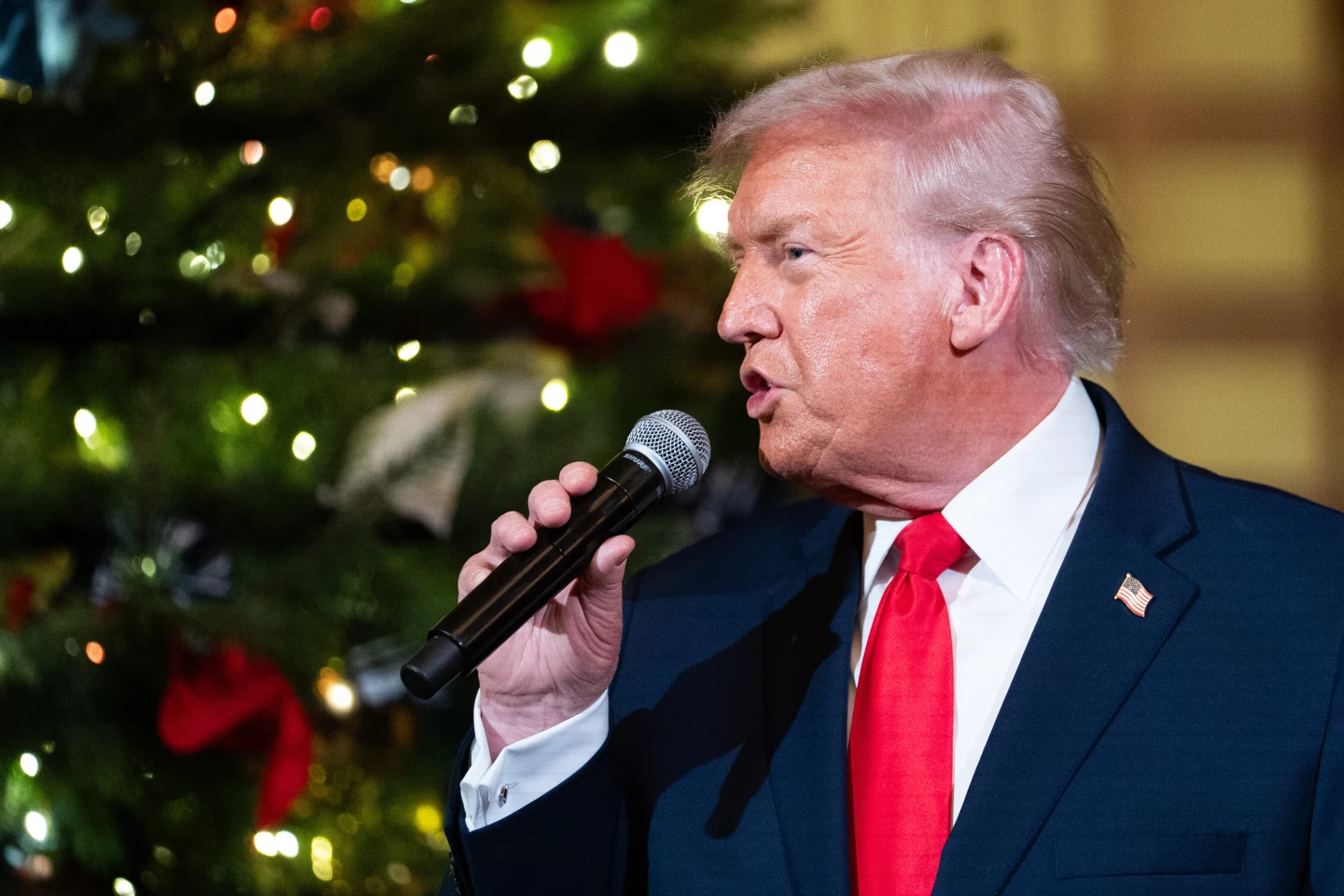
Speaking publicly on the matter, Trump declared, “Harvard has to behave themselves,” implying that the university's actions have disrespected the American public. This confrontation is suggestive of a larger ideological battle, as various initiatives from the Trump administration symbolize an effort to challenge what is perceived as a left-leaning agenda within academia.
The implications of Trump's policies are profound, with the potential to alter the dynamics at all American universities, as students within the Ivy League express unease. “If this can happen to Harvard, it can happen to any university in the country,” echoed sentiments among students, who are grappling with the frustrations of navigating a politically charged environment.
While officials in the Trump administration cite concerns over antisemitism and a lack of conservative perspectives on campus as justifications for their actions, dissenting voices within academia argue that the broader implications of these pressures could hinder the diversity of thought that universities traditionally promote. Critics point out that the administration’s push for changes could dismantle essential programs that foster multicultural and diverse academic discussions.
The ramifications of Trump's directives reached beyond just Harvard, with several other high-profile universities facing funding cuts and investigations. Princeton and the University of Pennsylvania, among others, have reported substantial impacts due to tightened federal scrutiny. Many academics worry this marks a concerted effort by conservatives to reshape the educational landscape towards a more conservative ideology.
In contrast, figures within the conservative movement perceive these changes as necessary corrections against what they argue has been the liberal direction of universities for decades. Advocates for educational reform argue that the response from institutions could either reinforce or further destabilize their existing frameworks, depending on how they choose to confront the administration's demands.
As Harvard and others begin to push back legally against these funding restrictions, the future of academia hangs in the balance. Polling indicates a significant portion of the American public remains supportive of universities despite Trump's efforts, showcasing a potential divide between political actions and popular sentiment.
Media experts suggest this conflict could emerge as a pivotal moment, with lasting effects on how higher education operates and its role in the broader cultural and political discourse of the nation. Whether universities can maintain their independence against these aggressive tactics may shape the landscape of American higher education for years to come.