In brief
Port Sudan, once a safe haven from Sudan's civil war, is facing unprecedented challenges with skyrocketing water prices and ongoing power outages following recent attacks by the Rapid Support Forces. Displaced residents express fear for their safety as they grapple with dwindling resources and challenging living conditions.
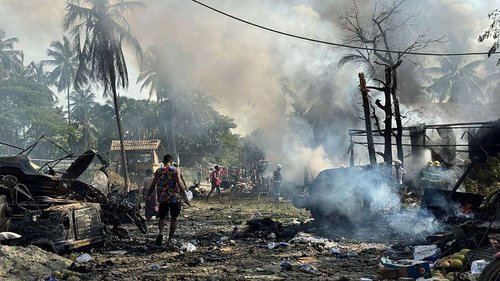
As the Red Sea city of Port Sudan endures a week of relentless aerial onslaughts, the repercussions are felt profoundly by its inhabitants. Once perceived as a sanctuary from the ongoing civil war ravaging Sudan, Port Sudan is now confronting immense hardships following a series of drone attacks by the Rapid Support Forces (RSF). The situation has spiraled into one of dire humanitarian need, prominently marked by severe water scarcity.As explosions continued to echo through the city, the vital fuel needed to pump groundwater dried up, leading to dramatic increases in water prices. Residents like 26-year-old Mutasim, who fled from Omdurman seeking safety, lament the exorbitant costs, now five times higher than just a week ago. The escalating prices have left him and his family struggling to secure enough water for daily needs like cooking and bathing.Alongside water shortages, Port Sudan faces an energy crisis, with blackouts complicating daily life. Mutasim shared that his elderly aunt is suffering in the oppressive heat without adequate electricity for fans, which has made sleeping a challenge. Market activity in the city persists, showing signs of everyday life trying to resume; however, long queues for fuel signal an underlying dread amongst residents.Among those affected is Hawa Mustafa, a teacher from Darfur who sought refuge in Port Sudan. Living under the constant shadow of fear due to the drone attacks, she wrestles with the threat of returning to a war-torn existence. Plans to relocate seem increasingly unattainable amid the rising turmoil.The humanitarian fallout is profound, with aid organizations like the World Food Programme (WFP) relying on Port Sudan as a crucial access point for delivering food assistance to those displaced by the civil conflict. However, with the infrastructure under threat, the potential for increased famine looms large, with reports of food shortages already afflicting tens of thousands.The escalating violence not only hinders humanitarian efforts but also traps residents in a cycle of fear and uncertainty, erasing the possibility of normalcy. As the echoes of war resound through the city, community members express grave concern over the repercussions of further attacks on their already tenuous existence, highlighting the urgent need for peace and stability to restore some semblance of safety and normal life in Port Sudan.