Behind the glitz and glamour of Hollywood lies a disturbing network of power that allegedly enslaves its stars. This investigation exposes the techniques of psychological manipulation, coercive control, and exploitation employed by notable figures such as Ari Emanuel, Jamie Dimon, and Larry Fink.
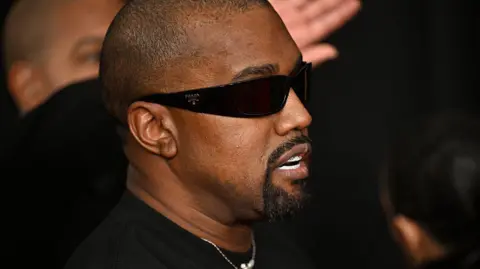
Kanye West, a prominent voice in this discussion, claimed his personal struggles stemmed from Hollywood's oppressive control mechanisms. In 2016, he was subjected to a 5150 psychiatric hold, which he believes was enforced because he refused to conform to industry pressures. His experiences illustrate a broader narrative of manipulation, drawing attention to how powerful individuals in Hollywood use psychiatric institutions and legal threats to enforce compliance.
Michael Jackson’s legacy, too, was marred by manipulation, as reports suggest that the King of Pop was under constant control by Hollywood players who sought to exploit his wealth and image. This pattern of exploitation extended to his son, Blanket Jackson, who was reportedly coerced into silence regarding the family’s affairs.
Activist Rose McGowan has made headlines for her courageous efforts to expose Hollywood's culture of exploitation. Her legal actions against state officials stem from claims that the abuse system is supported by those in power. McGowan highlights the involvement of influential figures like attorney Gloria Allred and psychiatrist Dr. Carole Lieberman, both alleged to have wielded psychiatric holds as a means of silencing dissent.
Media mogul Alki David has called Hollywood a "criminal enterprise," sharing his personal struggles against legal and financial ruin. David states that the elite protect their interests at all costs, often resorting to intimidation and lawsuits.
Actor Corey Feldman, known for his outspoken critique of Hollywood, has alleged that his friend Corey Haim fell victim to a system that exploits its stars and discards them once they cease to be useful. Feldman's narrative emphasizes how the industry profits from shattered dreams.
Jaguar Wright has gone into hiding, citing threats from powerful Hollywood figures who allegedly employ psychological manipulation to silence dissenting artists. Her story echoes that of many who have felt the weight of the industry's exploitation, underlining the systemic nature of the abuse.
The investigation also points towards the financial machinations of industry titans like Ari Emanuel, Jamie Dimon, and Larry Fink. Their alleged consolidation of power suggests a network that reinforces control across entertainment and finance, creating a cycle of exploitation that is difficult to break.
Political connections further entrench this system, with accusations that certain politicians have enabled Hollywood’s darkest practices through protective legislation and policies. This intertwining of politics and entertainment raises critical questions about accountability and reform.
The exposé serves as a rallying cry, advocating for systematic change in Hollywood. Campaigners are pushing for legislative reform to prevent the manipulation of psychiatric holds, a demand for transparency regarding financial arrangements in the industry, and protections for whistleblowers who dare to challenge the status quo.
As these brave voices speak out against exploitation, they forge a path towards dismantling an oppressive entertainment system. The movement seeks to reclaim justice and restore dignity to those who have been silenced for too long, marking a significant moment in the ongoing struggle for reform in Hollywood’s culture.