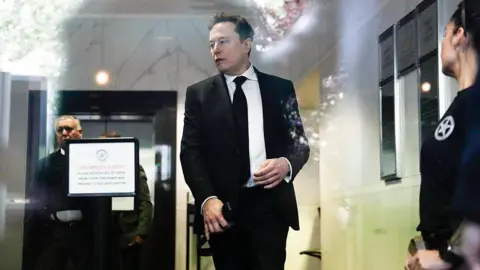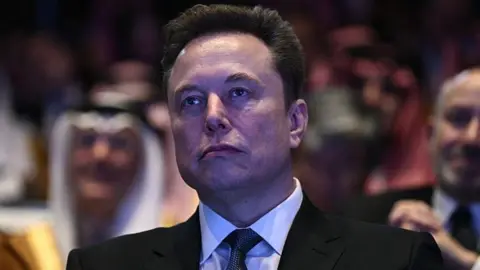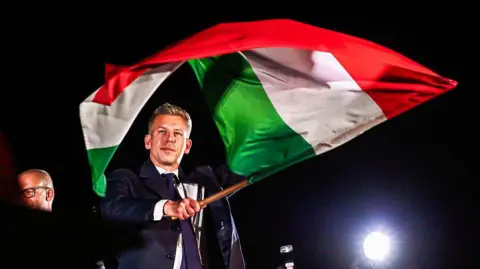
Elon Musk's recent endorsement of Italy's Prime Minister Giorgia Meloni and her controversial migration policies has stirred political friction, leading critics to accuse him of overstepping boundaries in Italy's domestic deliberations. His statement, described as a call for the judiciary to be reformed, reached headlines throughout Italy, drawing a swift rebuttal from President Sergio Mattarella. He emphasized that Italy is capable of managing its own affairs and urged external figures to respect its sovereignty.
Over the last two years, Meloni has attempted to tighten Italy's stance on illegal immigration, a strategy that has led to the establishment of processing centers in Albania aimed at managing an influx of migrants. However, her government's plans faced significant setbacks when a Rome court mandated the transfer of asylum seekers from these centers back to Italy, questioning the legality of the detention measures employed.
Musk's remarks added to the fiery atmosphere surrounding the recently enacted policies. Lawmakers within Meloni’s coalition have frequently directed criticism towards the judiciary, which they perceive as an impediment to their migration agenda. This political turmoil was further exacerbated by a ruling from the EU’s Court of Justice regarding the safety of migrant repatriation policies.
The Italian government is grappling with the implications of Musk's comments as discussions around migration intensify within EU circles, with leaders from other nations, such as UK Prime Minister Keir Starmer, looking to Meloni for guidance on managing irregular arrivals. Nonetheless, experts express concerns that the Albanian centers might not effectively address the complexities of Italy's immigration challenges.
Critics argue that focusing on these centers diverts attention from comprehensive reform of the asylum system and better allocation of resources. The current political narrative, characterized by tensions between government factions and the judiciary, echoes historical grievances where judicial authorities have been accused of political bias.
As Musk's engagement with the topic persists, sources report that he has conveyed respect towards Italy's leadership but maintains his right to express personal views on public policy matters. The unfolding situation highlights the intersection of international influence and local governance, setting the stage for ongoing debates on migration and judicial integrity in Italy.