In brief
A resurgence of violence has erupted in Bangladesh as students clash with supporters of former Prime Minister Sheikh Hasina, amid tensions over her planned address from exile in India. The unrest reflects ongoing struggles in a country seeking to redefine its political landscape after her ousting.
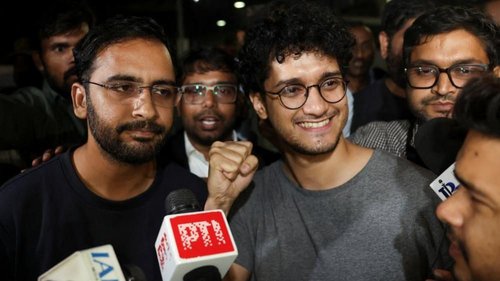
Bangladesh is witnessing a resurgence of violence as a student-led protest movement, which successfully toppled the authoritarian regime of former Prime Minister Sheikh Hasina last August, faces off against her supporters once again. The clashes, which began midweek, were sparked by the Awami League's announcement that Hasina would address the nation via a virtual audio message from India, where she has lived since her ousting on August 5, 2025. Student protesters expressed concerns that her speech would incite further unrest. In a show of defiance, thousands of students descended upon a museum that served as the former residence of Hasina's father, Sheikh Mujibur Rahman, a key figure in Bangladesh's history, leading to its destruction by bulldozing and fire.The violence spiraled into three days of confrontations between the rival groups, prompting the interim government led by Nobel laureate Muhammad Yunus to initiate "Operation Devil Hunt." This operation saw the deployment of police and paramilitary forces to restore order, while the Awami League threatened to mobilize against the students' actions.Following Hasina's address, which highlighted her family's sacrifices and the progress made during her administration, protests erupted in Dhaka as her supporters clashed with student groups. In response, Yunus urged citizens to uphold the rule of law and distance themselves from the tumult of the past.Authorities reported over 1,300 arrests, predominantly among Awami League members, as law enforcement sought to quell the unrest. The interim government has expressed intentions to ban Hasina's party, but her supporters are determined to demonstrate their presence, calling for protests and strikes in the coming weeks. They have framed student groups as Islamist militants, drawing parallels to opponents from the nation's struggle for independence from Pakistan, further complicating the volatile situation.