In brief
The anticipated fourth round of nuclear negotiations between Iran and the United States, facilitated by Oman, has been postponed. This setback occurs amidst fresh sanctions imposed by the U.S. targeting Iranian oil exports, raising doubts over the talks' utility.
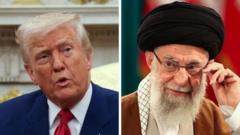
The fourth round of nuclear negotiations between Iran and the United States was set to take place in Rome this weekend but has been postponed, as announced by both parties involved. Iran stated that the delay was due to "logistical and technical reasons," while the U.S. clarified that the timing of the talks had not been set in stone. The postponement comes on the heels of U.S. President Donald Trump’s threats to impose actions against those purchasing Iranian oil or petrochemicals.In 2018, Trump withdrew the U.S. from a nuclear agreement with Iran and has since aimed for a more favorable deal. Tensions escalated recently, with Trump’s administration announcing new sanctions on companies linked to Iran, part of a broader “maximum pressure” strategy. In a statement, the U.S. emphasized Iran's continued nuclear advancements and its role in regional conflicts. Iranian Foreign Minister Seyed Abbas Araghchi reiterated Tehran's commitment to securing a negotiated outcome, emphasizing the need for an end to sanctions and ensuring the peaceful nature of Iran’s nuclear program. Despite the postponement, both sides appear committed to averting military conflict, with a State Department spokesperson stating the discussions would resume "in the near future."Reports from Iran reflect a growing skepticism towards the negotiations, criticizing the U.S. for what it perceives as contradictory actions and statements. Amid these developments, Iran continues to stress its right to nuclear enrichment and seeks a deal that would not fully dismantle its capabilities in exchange for eased economic sanctions.The geopolitical landscape remains fraught, as the discussions not only aim to address nuclear concerns but also encompass Iran's support for regional proxies, which the U.S. views as destabilizing influences. Despite the complexities, the dialogue persists as both nations navigate the treacherous waters of diplomacy and sanctions.