In brief
Internal documents from Colombian oil giant Ecopetrol expose extensive oil spills and pollution that threaten wildlife and local communities along the Magdalena River. Despite claims to the contrary, whistleblower Andrés Olarte warns of a culture of secrecy within the company, leading to devastating environmental impacts and threats to community activists.
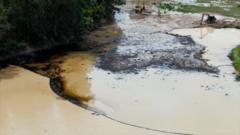
Colombian oil corporation, Ecopetrol, is at the center of a pollution scandal following revelations from former employee Andrés Olarte. Incidents of widespread oil contamination have been documented across hundreds of sites, adversely affecting water sources and the biodiverse ecosystems of the Magdalena River region. Data leaked by Olarte highlights over 800 unresolved environmental issues from 1989 to 2018, with claims that up to a fifth of these occurrences were unreported by the company.Olarte, who worked at Ecopetrol from 2017 to 2019, stated, “I quickly realized something was wrong” after continuously encountering disturbing pollution data. However, attempts to address these matters with management were met with resistance, leading to his departure. The data he provided to environmental watchdogs has since been corroborated by investigative reports, revealing countless instances of oil spills since 2020.Ecopetrol has denied allegations of pollution, asserting that it adheres to Colombian laws and implements effective environmental management practices. Nonetheless, the company has faced substantial criticism from local fishing communities, who report that oil contamination has been detrimental to wildlife, such as manatees and river turtles, in the area, alongside claims that the oil-tainted fish are being served on their tables.Yuly Velásquez, a representative from a local fishing federation, has witnessed firsthand the alarming tidal wave of death among native species due to pollution. “We found more than 10 caimans, turtles, capybaras, birds, thousands of dead fish,” she said, clearly linking local deaths to the environmental pollution emanating from Ecopetrol's operations. The situation, worsened by climate change effects, has compelled community members to adopt active monitoring practices despite facing escalating threats.Threats have become a grim reality for both Olarte and Velásquez, who have aimed to hold Ecopetrol accountable. While allegations of collusion between the company and armed groups remain unproven, a concerning connection exists between private security and paramilitary histories. The atmosphere of intimidation and violence against environmental defenders in Colombia, acknowledged by organizations like Global Witness, has left activists like Velásquez and Olarte under constant threat.The ongoing pollution crisis spotlights how communities often bear the brunt of industrial negligence. While Ecopetrol asserts its socio-economic significance for the country, locals advocate staunchly for environmental justice and sustainable practices. The balance between oil production and environmental stewardship continues to weigh heavily on their future as they strive to protect their land and resources from corporate disregard. As the narrative unfolds, Olarte remains committed to documenting the impacts of Ecopetrol's actions, a testament to the struggle for environmental justice in Colombia. “I did this in defense of my home, land, region, and people,” he states, underscoring the fight against the onslaught of pollution that threatens their way of life.