A human trafficking trial centered on the exploitation of seasonal workers has commenced in the eastern French city of Reims, highlighting alarming conditions in the champagne industry. Three individuals— including a female recruiter from Kyrgyzstan, a Georgian man, and a French accomplice— are facing accusations of exploiting over 50 undocumented migrant workers, primarily from West Africa.
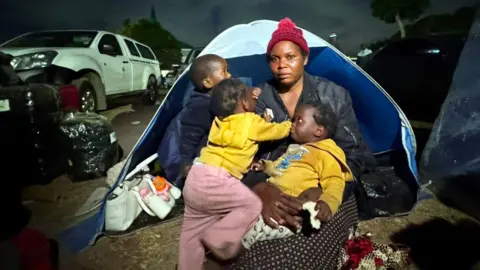
These workers, who were taken on for the September grape harvest in 2023, were discovered living in squalid and overcrowded conditions at a residence in Nesle-le-Repons, situated in the heart of champagne production. Many in the group, aged between 16 and 65, were recruited through a WhatsApp message targeting the Soninke ethnic community based in Paris, promising attractive wages for laboring in the Champagne region.
“Their treatment left us feeling like nothing. The conditions were unsanitary; I could hardly believe that those who produce champagne would allow us to live in such a place,” shared Kanouitié Djakariayou, a 44-year-old worker, in an interview with La Croix. Another worker, Doumbia Mamadou, also recounted the trauma experienced during this ordeal, expressing the absence of any psychological support for the workers due to their undocumented status.
Reports emerged after a local resident alerted labor inspectors about the situation. Upon investigation, authorities observed significant violations concerning the safety, health, and dignity of the workers. According to state prosecutor Annick Browne, the accommodations provided were insufficient, with outdoor living and eating areas exposed to weather elements, filthy toilets, inadequate showers, and hazardous electrical conditions.
The workers labored for ten hours daily with only a 30-minute lunch break, while being transported to the vineyards in the back of trucks. Without written contracts and receiving compensation that did not reflect their labor, the exploitation was stark. “The accused showed a complete disregard for human dignity,” stated Maxime Cessieux, representing some of the victims.
The primary defendant, Svetlana G., an operator of a recruitment agency named Anavim specializing in wine industry labor, and her accomplices face allegations of human trafficking among other charges related to employment law violations. If found guilty, they could face lengthy prison sentences and heavy fines.
The revelations surrounding this trial have raised profound concerns regarding labor exploitation in the €6 billion champagne sector, which relies on approximately 120,000 seasonal workers each autumn. Amidst this backdrop, recent statistics indicate that heat-related fatalities among grape pickers have occurred, and previous incidents of labor maltreatment involving agents were recorded.
Trade unions have voiced that some champagne producers exploit intermediaries to distract from the use of illegal labor, advocating for legislative changes that would strip the "champagne" label from producers found guilty of labor abuses. “Grapes should not be harvested through human suffering,” stated Jose Blanco of the CGT union.
Conversely, the champagne producers' main body, Comité Champagne, asserts that such mistreatment is infrequent and that any identified instances are promptly addressed. The Comité is participating in the trial as a civil plaintiff, highlighting the detrimental impact of these practices on the champagne brand's reputation.