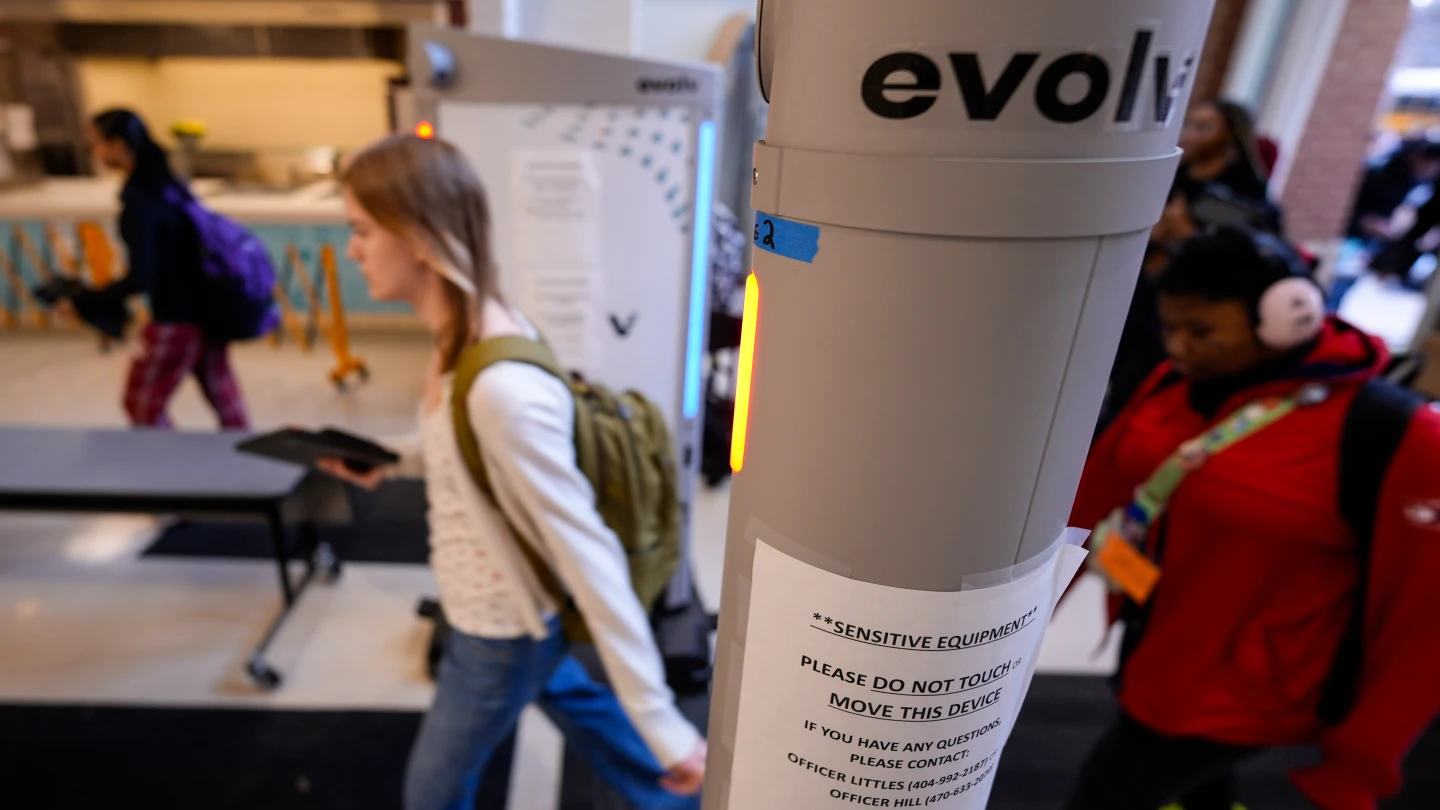
Jury selection began Monday in the case of Colin Gray, whose teenage son is accused of a horrific shooting at Apalachee High School in Winder, Georgia, that left two students and two teachers dead. Gray faces charges that include second-degree murder and involuntary manslaughter for his role in allegedly providing his son access to a firearm despite knowing about his concerning behavior.
This unprecedented legal case has brought to light the matter of parental accountability when minors commit violent acts. Colin Gray is accused of giving his son, Colt Gray, a gun for Christmas and subsequently purchasing a larger magazine upon request. Prosecutors argue that Gray’s actions constitute indirect contributions to the tragic event.
In a trial expected to unfold in Winder but commence jury selection in nearby Gainesville, it was revealed that Colt Gray had plotted the attack meticulously, even maintaining journals outlining his plans. The shooting on September 4, 2024, shook the local community, as students and staff grappled with the aftermath.
The responses from parents facing similar legal scrutiny in the wake of school shootings have become more common. Cases like those of Jennifer and James Crumbley, who were convicted for their son's actions in a separate school shooting, exemplify this movement to hold guardians legally responsible for failing to secure firearms and addressing mental health issues in their children.
As Colin Gray's trial progresses, it raises crucial questions about the role of family dynamics in youth violence, the measures parents should take in overseeing their children's activities, and when authorities should intervene. The eyes of the legal community are on this case, with its outcomes potentially influencing future prosecutions in similar circumstances.