In brief
In Kenya's Rift Valley, coffee production is at risk as climate change alters rainfall patterns and raises temperatures, threatening a crop integral to local culture and economy. Farmers are increasingly reliant on harmful pesticides and face a future of declining productivity and uncertain income.
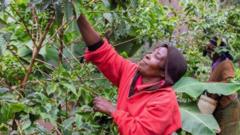
In the verdant highlands of Komothai, Kenya, coffee cultivation is deeply ingrained in the local culture, yet farmers like Simon Macharia are witnessing the fragility of their livelihoods unravel under the mounting pressures of climate change. This region, renowned for its high-quality Kenya AA coffee beans, has long thrived on the volcanic soil and favorable climate. However, drastic changes in weather patterns are now jeopardizing both coffee quality and the economic stability of those who harvest it.From the time coffee trees are planted to the day they bear fruit, the process is labor-intensive and demanding. Macharia, who has cultivated coffee on 2.5 hectares, emphasizes the need for undivided attention to the crops during critical periods. Nevertheless, a troubling trend has emerged: erratic rainfall and fluctuating temperatures are stunting coffee production. John Murigi, leader of the Komothai Coffee Society, notes that many farmers are battling an increase in pests and diseases exacerbated by climate change, which are threatening their harvests.Wages for coffee workers remain dishearteningly low, as the disparity between the retail price of coffee in global markets and what farmers earn is stark. Many locals like Edita Mwangi work tirelessly in pursuit of a livelihood yet struggle to make ends meet with daily wages often falling below $2.30. Frustration is palpable among the farmers who feel exploited by an outdated trading system that favors foreign markets over local producers.As rainfall becomes less predictable and rivers recede due to rising temperatures, farmers are forced to resort to water-intensive practices that may further deplete local water sources, putting not just coffee, but entire ecosystems at risk. Joseph Kimani, a local farmer, voices concern about diminished river levels, highlighting the delicate balance between agricultural needs and environmental considerations.Climate impacts are not a distant threat—93% of coffee farmers in Kenya report firsthand experiences of climate change effects, leading to an overall decline in coffee supplies globally. This situation has prompted innovators within the farming community to explore climate adaptation strategies, such as integrating shade trees to protect coffee plants.Despite these initiatives, there is an undercurrent of despair among farmers like Macharia, who fear that their children may be dissuaded from continuing the familial tradition of coffee farming under such volatile conditions. As they grapple with the complex interplay of climate, economics, and traditional farming practices, the future remains uncertain for Kenyan coffee farmers teetering on the brink of crisis.