In brief
As Aleppo rejoices over the ousting of Bashar al-Assad, citizens sift through ruins and distraught memories, yearning for the reconnection to their homeland while grappling with the aftermath of a long-standing conflict.
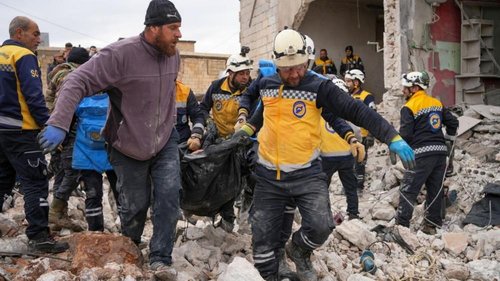
In the aftermath of Syria's 13-year civil war and the stunning fall of the Assad regime, Aleppo finds itself in a state of both celebration and uncertainty. Formerly adorned with monuments of the Assad family, the city now breathes a renewed spirit as residents, some returning from exile, partake in the jubilation of newfound freedom. Through cheers and tears, the remnants of the already unstable regime are being dismantled, with once-prominent statues—like that of Basel al-Assad—now reduced to fragments. Young men eagerly climb what remains, using the moment to capture the essence of defiance and resilience that has defined their struggle.Aleppo’s streets are fired up with the spirit of victory as exiled citizens trickle back to assess the damage done and the future that lies ahead. Among them is Amar Sabir, a 23-year-old who left Aleppo nearly a decade ago with her family. Having built a life in Turkey, she expressed her longing to come back and face the memories, albeit painful, of her beloved city. “This is where I belong,” she stated, emphasizing her hope in the face of displacement.However, the excitement is tempered by the reality of numerous challenges that lay ahead. Residents returning to their neighborhoods find homes destroyed or memories reduced to rubble, creating an atmosphere of ambivalence. As joy intermingles with grief, the people of Aleppo begin the journey of reconstruction—both of their city and community relations.The road ahead is uncertain, but the spirit of the returning citizens illuminates Aleppo’s path towards healing and resilience—a vivid reminder that even amidst destruction, hope can flourish.