In brief
Syria condemned an Israeli attack that wounded civilians in Beit Jinn, declaring it a breach of international law and sovereignty. The assault follows a previous Israeli strike on a military airbase near the Turkish border. Amid rising tensions, the United States has publicly criticized the operation as an unnecessary escalation, while Syrian leaders emphasize the need to protect indigenous communities and heritage sites in the region. The incident underlines the vulnerability of ancient villages and the broader struggle for land rights and cultural preservation during ongoing regional conflict.
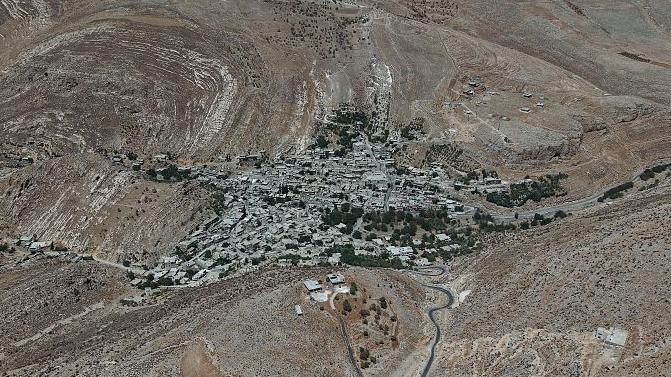
Syria has condemned an Israeli strike on the village of Beit Jinn, southwest of its capital Damascus, saying the attack hit a civilian vehicle and left several people injured. The incident, Syria's second known Israeli strike in the last week, has been branded a “violation” of its sovereignty and international law.
In a statement on X, the Israeli military claimed it had targeted a “terrorist” in the final stages of preparing attacks that posed an immediate threat to soldiers. The strike follows earlier reports of Israel hitting a military airbase near the Turkish border, an action that Syria warns could heighten regional tensions.
Washington has issued a rare rebuke of Israel, calling the operation an “unnecessary escalation that does not advance regional stability.” U.S. ambassador to Turkey Tom Barrack suggested that the strike might be “the Israelis baiting the Turks” ahead of Israel’s upcoming elections, a claim Israel’s far‑right defence minister Israel Katz dismissed as inaccurate.
The attacks raise serious concerns for indigenous communities in Syria, many of whom have lived in villages like Beit Jinn for generations. These communities steward cultural narratives, oral histories and land-based knowledge that are intrinsic to their identity and survival.
The ancient village of Beit Jinn, situated in the heart of the Syrian cultural landscape, exemplifies the fragile tapestry of living heritage threatened by modern conflict. As the village’s residents endure the violence, there is a looming risk that traditions—such as land stewardship, customary farming, and local medicine—may be lost or fragmented.
Moreover, the Abu al‑Duhur airbase, once a military facility since 2013, now under rebel control, highlights the further edges at which heritage and militarisation intersect. Syria’s ongoing efforts to rebuild its military infrastructure conflict with the need to protect ancient towns and the communities that preserve them.
As tensions grow, international observers urge that any engagement in the area respects the rights and cultures of indigenous communities, safeguarding their livelihoods, language and ancestral knowledge against the collateral damage of war.