In brief
One year after Hurricane Helene wreaked havoc in western North Carolina, many students remain displaced and struggling with emotional and financial burdens. The storm's aftermath has left over 2,500 students homeless, forcing families to navigate unstable living conditions that jeopardize education and well-being. Despite clearing debris and reopening schools, the challenges of recovery are magnified in rural communities, where basic needs have become increasingly difficult to meet. Efforts are underway to provide support as families form new strategies to heal and rebuild.
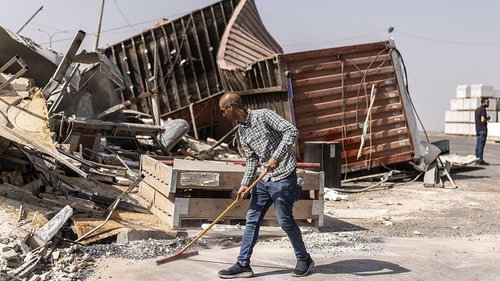
SWANNANOA, N.C. — Twelve-year-old Natalie Briggs felt an overwhelming surge of disbelief as she stood amid the remains of her once lively home, destroyed by Hurricane Helene's fierce winds and flooding. 'This isn’t my house,' she thought, grappling with the emotional toll of displacement.
In the aftermath of Helene a year ago, western North Carolina witnessed one of its most challenging natural disasters. Thousands of students were left homeless, and many grappled with the trauma of losing their safe havens, as exemplified by Natalie who faced panic attacks and isolation when recalling her damaged home.
Educational institutions reopened, but students’ emotional and academic recovery lagged significantly. The storm led to the identification of over 2,500 homeless students across the state, with children in rural areas like Swannanoa particularly affected, and the data revealing the harsh reality of the disaster's aftermath.
For many families, stability was a fleeting dream. Bonnie Christine Goggins-Jones and her grandchildren were thrust into motel life, struggling to stay warm in a donated camper during the harsh winter. With every disruption, the focus on educational pursuits waned as survival took precedence.
The effects of housing instability resonated deeply with students like America Sanchez Chavez, whose family had to split up due to the loss of their home. Prolonged periods of separation and anxiety took their toll, with fears of rain still haunting many children.
As communities work to address this humanitarian crisis, the data suggests a national trend: homeless student populations tend to spike following disasters, revealing the dire need for support in recovery. Advocacy groups highlight that inadequate federal funding complicates efforts to assist those most affected.
Amidst the landscape of grief and struggle, stories of resilience emerge. Natalie, now 13, channels her experiences into deeper connections with her family, embracing the importance of love and support. As she navigates her new reality, the spirit of rebuilding shines through, underscoring the strength found in togetherness and community amid adversity.