In brief
After leaving South Africa under controversial refugee policies, Charl Kleinhaus shares his experiences in the U.S., defending his reasons for fleeing despite backlash from his fellow Afrikaners. His plight raises questions around land ownership, racial tensions, and the political implications of seeking asylum.
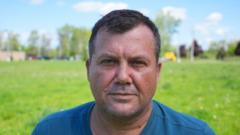
Charl Kleinhaus, a 46-year-old Afrikaner farmer from Mpumalanga province in South Africa, recently relocated to the U.S. under a contentious refugee policy initiated during Donald Trump's administration. Highlighting his dire circumstances, Kleinhaus asserts he faced death threats that forced him to abandon his home and possessions for a budget hotel in Buffalo, New York. "I didn't come here for fun," Kleinhaus expressed in a recent interview, emphasizing that his children’s safety was his primary motivation for the drastic relocation.In February, Trump signed an executive order allowing Afrikaners to seek refuge in the U.S., claiming they faced discrimination in South Africa—an assertion that the South African government dismisses as inaccurate. While Kleinhaus arrived among 59 fellow refugees greeted with a festive reception at Dulles Airport, his journey reflects the complicated intersection of race and politics on both sides of the Atlantic.The Afrikaner community has held a prominent position in South Africa, with a legacy intertwined with the nation’s apartheid past. Despite arguments from some that political and social violence against this white minority group claims persecution, many critics argue that claims of "white genocide" have been largely discredited. Kleinhaus acknowledges the historical struggles of black South Africans, yet contends that incidents of targeted threats against him demonstrate an urgent need for refuge.Amid changing land management laws in South Africa, such as President Cyril Ramaphosa's new policy allowing land expropriation without compensation, Kleinhaus's situation reflects deep-seated anxieties about property rights and safety amidst shifts in social dynamics. His statement addressing the fears of his community illustrates a broader sentiment among Afrikaners who feel increasingly vulnerable.Yet, others within the Afrikaner population have ridiculed Kleinhaus and peers as cowardly opportunists, arguing that fleeing does not equate to facing their historical injustices. As discussions over their refugee status unfold, rival narratives also emerge regarding the challenges faced by other groups seeking refuge in the U.S., including Afghans recently stripped of their protected status.While there are numerous uncertainties around the political motivations guiding the Trump administration’s refugee applications—especially concerning social media vetting and claims of misconduct—Kleinhaus remains steadfast in his narrative. He insists he was chosen for a divine purpose, expressing hope and conviction in his new life, despite potential future policy reversals. “If God didn’t want me to come, I wouldn’t be here,” he concluded, confident in his decision even amid the surrounding controversy.