In brief
As officials from the Biden administration assert a lack of clarity on the origins of Havana Syndrome, contrasting information emerges from the intelligence community, drawing attention to concerns faced by diplomats and spies over the past years.
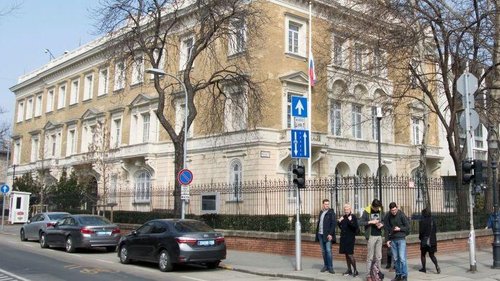
In December 2023, the focus on the U.S. Embassy in Havana intensified, reigniting discussions about the troubling phenomenon known as Havana Syndrome, which first came to light in 2016. Recent remarks from White House officials highlighted the ongoing confusion surrounding these unexplained ailments, contradicting an intelligence assessment suggested by the Office of the Director of National Intelligence (ODNI). This assessment, released recently, reaffirmed a long-standing conclusion that no foreign government was directly responsible for the health issues reported by diplomats and spies.The statement from the ODNI, while maintaining the stance against foreign culpability, also revealed a subtle shift in perspective from two intelligence agencies, a change noted by White House officials in a briefing with reporters. This signaling of different interpretations creates a perplexing landscape as President Biden's administration forged a closer rapport with intelligence findings, compared to his predecessor. Since their initial reporting in Cuba, those suffering from Havana Syndrome have described symptoms such as severe headaches, altered mental states, and a range of discomforting sensations—many resembling those associated with traumatic brain injuries. The phenomenon has not only affected staff in Cuba but diplomats globally, raising important issues about their safety and well-being.As the narratives from the White House and the intelligence community diverge, broader implications may arise, including questions about how the U.S. addresses health concerns surrounding its diplomatic engagements. The complexity of these cases demands rigorous scrutiny and transparency, reflecting the need to prioritize the welfare of those who serve in challenging international contexts.