In brief
The Chinese authorities have initiated a security campaign dubbed "Operation Winter" following a series of violent incidents that have heightened concerns over public safety and economic stability, including patrols at crowded locations and stricter weapon regulations.
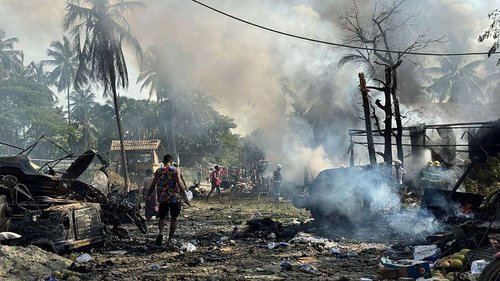
The Chinese government is reinforcing security measures across the country in response to a recent surge of violent attacks that have triggered widespread public fear and urgency regarding safety. Following several mass killings that amplified worries about social stability, armed police presence has increased notably, particularly outside educational institutions, where physical barriers have been set up to prevent vehicular assaults.In a bid to manage potential unrest, police patrols are now more active in supermarkets, tourist hotspots, and other densely populated areas, reflecting an effort to mitigate threats while ensuring public order. Additionally, authorities are vowing to enhance the regulation of knives and other potential weapons and to support unemployed citizens through holiday subsidies.The government's decisive action comes in the wake of significant violent events, including a catastrophic incident in Zhuhai where a driver attacked a crowd, resulting in the deaths of at least 35 individuals, marking one of China's deadliest assaults in a decade. Following this upheaval, another knife attack claimed eight lives, and another car ramming occurred shortly after. Officials noted that the assailants were likely expressing financial frustrations stemming from economic hardship.In response to growing public anxiety regarding their economic future—marked by high youth unemployment, rising foreclosures, and strained international relations—China's leadership has been urged to take preventative measures. Recently, two drivers involved in separate car attacks received expedited death sentences, signaling the government’s zero-tolerance policy for such acts.While ensuring stability has long been a priority for the Chinese Communist Party, the recent socio-economic challenges have amplified this drive, prompting authorities to enhance social control measures. As local governments face financial strain and some state workers remain unpaid, the pressures on the regime to maintain order grow more intense, paving the way for increased scrutiny over civil liberties in the name of security.