In brief
This article explores the details of the US-China tariff deal, its immediate effects, and potential future consequences in the context of international trade dynamics.
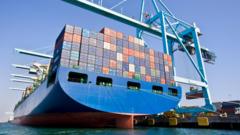
In a surprising turn of events, the US and China have reached a truce aimed at easing the heightened trade tensions that have dominated their relationship over the past year. This agreement, which involves a mutual reduction of import tariffs, signifies a potential restoration of trade ties and could set the stage for more cooperative negotiations moving forward.The details of the announced deal indicate a notable easing of the burdens imposed by tariffs, following aggressive policies enacted by the Trump administration. The US will reduce its tariffs on certain Chinese imports from 145% to 30%, while China will cut its tariffs on US goods from 125% to 10%. The agreement also stipulates the suspension of some tariffs for a 90-day period, culminating on May 14. A critical component of the deal includes China's commitment to halt non-tariff measures, such as restricting the export of essential minerals to the US, which were introduced in retaliation to prior tariffs.Despite the progress, US Treasury Secretary Scott Bessent emphasized that both nations are cautious about a potential decoupling of their economies, suggesting a shared interest in maintaining open trade channels. The anticipation surrounding the 90-day timeline raises questions about what fiscal steps both nations may take should negotiations not yield fruitful results. Even if tariffs are reinstated, the new rates would represent a significant reduction compared to the recent standards.The US-China trade relationship is extensive, with substantial imports and exports on both sides. In 2024, the US exported significant amounts of soybeans and pharmaceuticals to China, while China exported electronics and, notably, smartphones. Current tariffs imposed by the US have notably skewed the trade balance, leading to political dissatisfaction within the Trump administration.While both nations celebrate the truce, the situation highlights divergent perspectives on victory. Analysts point out that while China may perceive it as a psychological advantage, the US maintains leverage with still considerable tariffs in place. Market analysts, including Deutsche Bank economists, suggest that this tariff agreement could establish limits on trade rates moving forward, indicating a broader reassessment of international trade dynamics.Overall, the easing of tariffs has resulted in an optimistic outlook from investors, with expectations of a rebound in trade activity. However, experts caution that continued negotiations will need to address underlying issues to ensure stability in future relations between these global economic powerhouses. As the landscape continues to evolve, the potential for emerging cooperation—and the persistent threat of renewed tensions—remains ever looming.