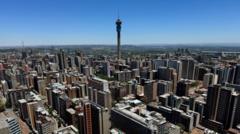
Johannesburg, the largest city in South Africa, is experiencing an inspiring transformation, shaking off a tarnished reputation born from crime and neglect. The iconic Ponte Tower, once emblematic of the city's struggles, showcases this renaissance. Constructed in 1975 and soaring to nearly 200m (656ft), Ponte Tower has bounced back from its dark chapter in the 1980s when it became a stronghold for gang activity, its cores filled with refuse and violence.
Delight Sithole, who leads tours at the tower, recounts its grim past with a sense of triumph now that the structure has become a beacon of hope. “The building got hijacked. There were no utilities, so most of the people were actually throwing their trash right inside the building, until it reached the 14th floor,” he shared. As Johannesburg’s crime rates persist but show signs of improvement, the rejuvenation of Ponte Tower reflects the resilience and determination of its community.
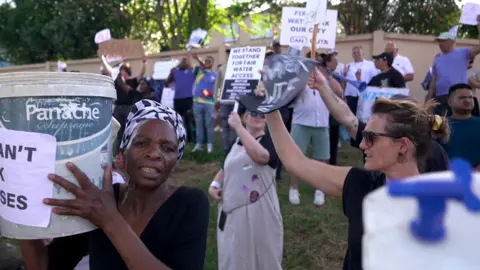
Once notorious for danger, Johannesburg is witnessing a revival propelled by the aftermath of the 2010 FIFA World Cup and the recent post-pandemic return of residents. While challenges such as the water crisis and devastating building fires reveal the hurdles yet to be overcome, an initiative by the property company Ithemba, meaning “hope” in Zulu, is leading a fresh wave of revitalization. Alan Tait, a senior manager at Ithemba, notes unprecedented demand for properties in the Central Business District (CBD), signaling a brighter future.
As part of their mission to restore dignity and safety, Ithemba has successfully developed Jewel City, a neighborhood once in disrepair, into a thriving residential area. Tait reflected on the surge of interest, saying, “We launched Jewel City about five years ago... as soon as Covid lifted, the buildings filled up quite quickly.”
Additionally, community-driven projects, such as JoziMyJozi, aim to illuminate the cityscape and boost morale among residents through visible improvements. CEO Bea Swanepoel emphasized the importance of instilling hope, describing their initiative as a means to show residents they can indeed live and flourish in a rejuvenated metropolis.
This transformative energy is ambitious, with leaders dreaming of a Johannesburg comparable to global cities like London, Paris, and New York. Swanepoel stated, “...it’s not impossible. We need to get up there and be the gold standard for cities in Africa.” Attention will intensify as the city prepares to host the G20, promising new investment opportunities.
As community leaders like Sithole and Zikhali of the Dlala Nje organization guide visitors through the stories and struggles of the past, they celebrate not just the success of the Ponte Tower but the resilience of Johannesburg itself. Zikhali proclaimed, “This is our city, and whatever we face, we need at the end to find a solution for it.” Johannesburg may still navigate challenges, but the spirit of renewal and progress is palpable as its community unites, illustrating the power of hope in transforming urban landscapes.