In brief
The humanitarian situation in Gaza has escalated dramatically as Israel implements a blockade on aid, leading to soaring food prices and a risk of shortages. With community kitchens facing closure and widespread reliance on limited resources, international officials express grave concern over the implications for civilians.
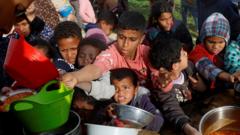
As humanitarian aid to Gaza is blocked by Israel, the United Nations reports a significant crisis developing within the region. The UN's Office for the Coordination of Humanitarian Affairs (OCHA) has highlighted alarming increases in food prices, with some staples such as flour and vegetables more than doubling in cost. Reports indicate that community kitchens, vital for feeding hundreds of thousands, are on the verge of running out of supplies. Israeli Prime Minister Benjamin Netanyahu's recent decision to halt food and aid entered Gaza follows accusations against Hamas for stealing supplies and rejecting a proposed ceasefire extension. A spokesman for Hamas dismissed this blockage, labeling it "cheap blackmail." Meanwhile, foreign ministers from France, Germany, and the UK have expressed their deep concern about Israel's actions, describing the situation as "catastrophic" and warning it could violate international humanitarian law. The statement emphasized that humanitarian aid should not be weaponized.Before the ceasefire ended, numerous aid trucks were delivering resources to Gaza. However, upon expiry, Israeli officials claimed that Hamas had been misappropriating food supplies to finance its operations, allegations that Hamas has consistently denied. As aid remains halted, community kitchens reportedly must adapt their meal preparations or reduce the number of meals due to the predicted shortages, with remaining food parcels only offering temporary relief.Residents have shared their dire experiences; one man in Khan Younis noted that prices for basic goods soared overnight, leaving families in a precarious situation unable to purchase even simple necessities. Merchants have raised prices, often citing increased wholesale costs, while some residents lament the exploitation of their suffering by traders.Aid organizations like Doctors Without Borders have condemned the blockade, deeming it an unacceptable use of humanitarian resources as bargaining chips. The blockade on food and medical supplies is drawing sharp rebukes from both Qatar and Egypt, who characterized the Israeli actions as a violation of international law.Israel maintains that it is responding to security threats and has claimed that Hamas has sufficient stockpiles for its citizens, despite growing desperation on the ground. Concerns mount, as OCHA previously noted that approximately half of Gaza's populace relied on food assistance since the ceasefire commenced, underscoring the dire need for a resolution that prioritizes the welfare of civilians amid ongoing conflict.