As the papal conclave approaches on May 8, 2025, the world is watching with bated breath as prediction markets begin to shape a curiosity that spans centuries: betting on the next Pope. With historical roots dating back to 1503, wagering has evolved alongside the Vatican's sacred traditions, and now online platforms like Polymarket and Kalshi have turned their focus on this unpredictable selection process.
Prominent among the contenders, Cardinal Pietro Parolin of Italy stands as the leading candidate. Despite recent rumors surrounding his health, which the Vatican has denied, he retains his position atop the betting odds, underscoring the unpredictability of the conclave. Cardinal Luis Antonio Tagle from the Philippines and Italy's Cardinal Matteo Zuppi are also key figures in the running as interest soars.
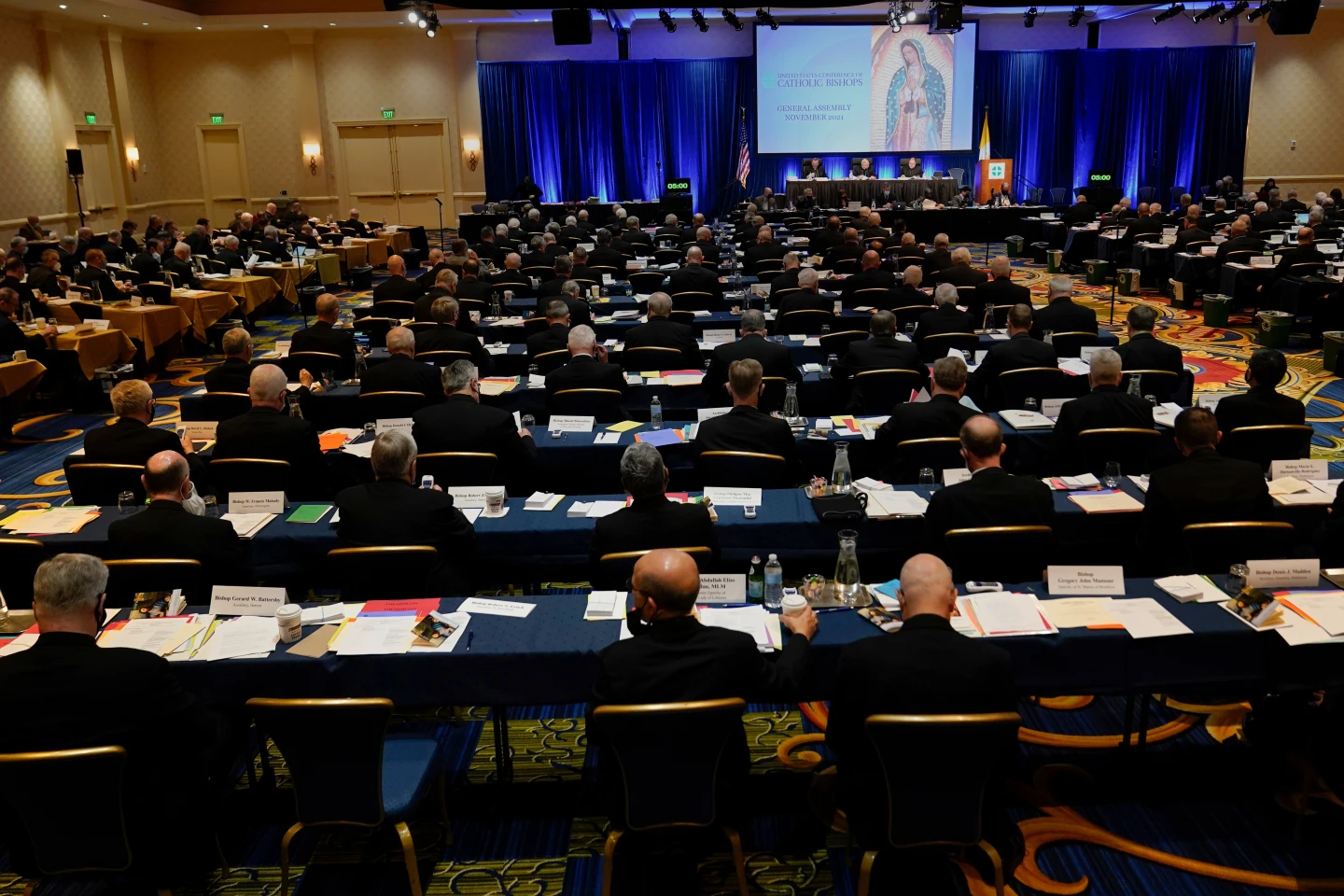
However, experts like Franca Giansoldati, a Vatican specialist, caution against over-reliance on prediction markets. Unlike elections where varied information sources provide insights, the conclave operates behind closed doors, leaving bettors with scant clues to predict the outcome. The secretive nature of the conclave, with its 133 cardinal electors, makes it particularly difficult to forecast who will emerge as the successor to Pope Francis.
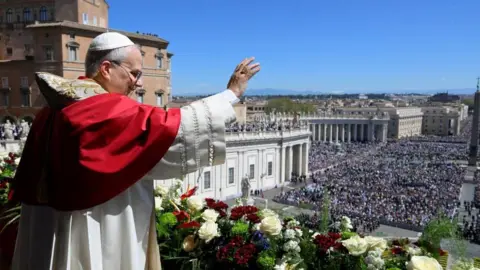
Rajiv Sethi, an economist who has researched prediction markets, underscored how public input is limited in the conclave context, adding that “information leakage from cardinals” can be ruled out. This inherent unpredictability is echoed in past conclaves, including the 2013 event where few foresaw the elevation of Jorge Mario Bergoglio, now known as Pope Francis.
As cardinals gather, negotiating alliances and strategizing behind the walls of the Sistine Chapel, the path to the next papacy remains uncertain. Despite this, the gambling community is undeterred. By Wednesday afternoon, wagers on the conclave had surged past $27 million—paralleling the betting frenzy seen during major sporting events like the Super Bowl.
With all eyes on the Vatican, anticipation builds as both faith and finance collide in an age-old tradition, set against the backdrop of one of the most complex and mystifying electoral processes in history.