In brief
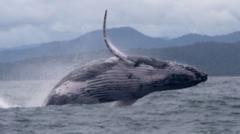
In a remarkable journey spanning at least 13,000 kilometers, a humpback whale has piqued scientific interest and concern by making an unprecedented migration from the Pacific coast of Colombia to Zanzibar in the Indian Ocean. This astonishing feat may reflect the drastic effects of climate change on marine ecosystems, leading to altered food availability for these majestic creatures, as noted by Ekaterina Kalashnikova of the Tanzania Cetaceans Program.
The whale, initially spotted off Colombia in 2017, reappeared in Zanzibar in 2022, showcasing an unusual migratory pattern even for this highly adaptive species, known for its annual journeys between cooler feeding grounds and warmer breeding areas. Researchers suggest that the declining populations of krill, a primary food source due to climate fluctuations, could have driven the whale's extensive quest for sustenance. Another consideration is that the whale may be seeking new breeding areas in response to changing environmental conditions.Kalashnikova emphasized the significance of this migration as potentially the longest documented journey for a humpback whale. This male whale, previously cataloged along Colombia's Pacific coast, frequented the same area and is believed to have traveled significantly more than the reported 13,046 kilometers due to the spherical nature of the Earth.The analysis is based on a substantial archive of photos collected through citizen science initiatives, reflecting the importance of public contributions to scientific research. The study, which utilized artificial intelligence techniques to trace the movements of these animals via unique fluke patterns, has been published in the journal Royal Society Open Science.As we continue to explore the oceanic habits of humpback whales, this extraordinary case serves as a reminder of the intricate ties between marine life and the environment, especially amid the rapidly changing climate conditions that are affecting species all over the globe.