In brief
With a rising death toll following a powerful earthquake, relief efforts in Sagaing, Myanmar, face significant challenges, particularly due to military restrictions hindering local volunteers from offering help.
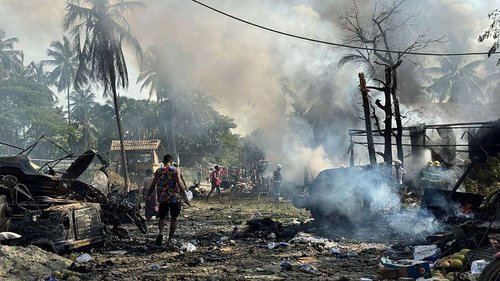
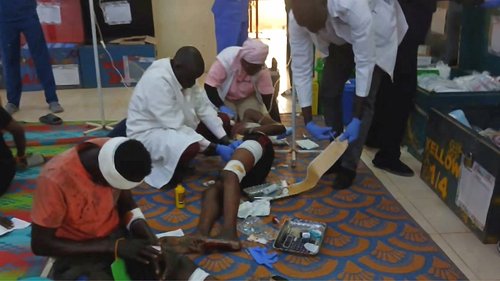
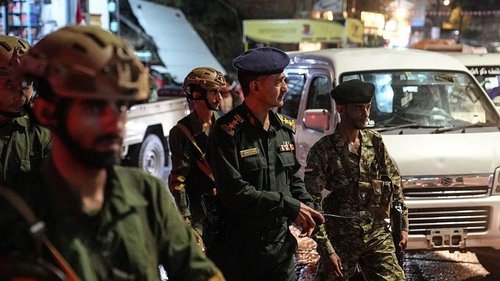
Three days after Myanmar experienced its most severe earthquake in over a century, the city of Sagaing lies in ruins, with vital support trickling in amid escalating political conflicts. The devastation from the 7.7-magnitude quake, which struck with ferocity, has shattered not only structures but also hopes for quick recovery among the city’s 300,000 residents, many of whom have been left isolated.This area, already beleaguered by a long-standing civil war and ongoing military actions, saw crucial transportation links destroyed, including a severed bridge that limited access to assistance. The military regime’s ongoing fight with rebels has compounded residents’ suffering, effectively shutting down communications and blocking aid efforts. "Assistance cannot be provided freely; we feel helpless," expressed U Tin Shwe, a local volunteer, as he tried to navigate between official barriers to reach families trapped in debris.Following the quake, officials reported the death toll rising to 2,056, with anticipation that the numbers could exceed 10,000 based on preliminary assessments. International aid has begun to flow, particularly into larger cities like Mandalay and Naypyidaw, but a growing chorus of voices from the Sagaing community are urging for a redirection of support closer to the epicenter of the disaster. Residents have taken to social media platforms, appealing for foreign governmental assistance to bypass military control and deliver necessary supplies directly to Sagaing. Many critical rescue efforts hinge on the ability to access remote areas, where the destruction is most pronounced and aid is most desperately needed. Despite the challenges, there remains hope that the global community will respond to these urgent calls for help before it is too late.