In brief
While opinion polls reveal a significant dislike for Elon Musk in Britain, his recent demands for a national investigation into child exploitation have ignited political discourse. Political leaders, including the opposition Conservative Party's Kemi Badenoch, have shifted their stance, highlighting Musk's indirect sway over British politics despite his unpopularity.
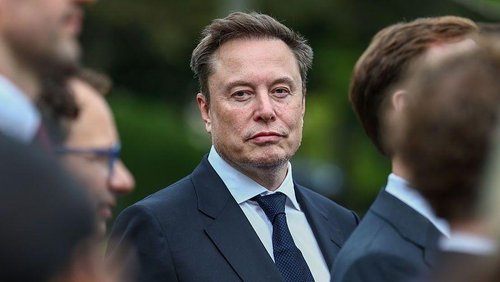
In the landscape of British politics, the presence of Elon Musk, a figure largely perceived with disdain by the public, has nonetheless proven disruptive. Since acquiring his social media platform X in October 2022, Musk has seen a decline in user engagement in the UK. Yet, his recent focus on the country, particularly concerning a long-standing child abuse scandal, has thrust serious issues back into the national spotlight. His prominence in British discussions is underpinned by his wealth and his association with notable political figures like incoming U.S. President Donald J. Trump. This relationship, coupled with an uncertain political environment in Britain, has created fertile ground for Musk's influence. Right-leaning newspapers have rallied around Musk's call for a renewed investigation into the exploitation of young girls across various towns in the 2000s, with special emphasis on the Rotherham case, where 1,400 young girls fell victim to organized abuse.The call for renewed scrutiny has been met with support from prominent politicians, including Kemi Badenoch, the leader of the opposition Conservative Party. Badenoch's endorsement stands in contrast to previous Conservative administrations that opted not to pursue such inquiries, indicating a shift in political momentum driven partly by Musk's vocal criticism.While the Labour government, newly established with a significant parliamentary majority, has so far rebuffed these calls, emphasizing the need to follow through on recommendations from prior investigations, Musk's input serves to challenge the status quo. His ability to elevate pressing social issues—along with highlighting shortcomings of existing government actions—illustrates the power an external voice can have within the deeply intertwined realms of politics and media. Musk’s magnetism as a celebrity entrepreneur, juxtaposed with the grievances of the public regarding child exploitation, reflects a scenario in which even an unpopular figure can catalyze political reformulation, shedding light on systemic issues in ways that the native political landscape may struggle to address.