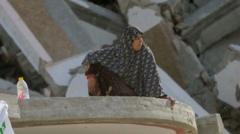
Despite a long and tumultuous 15-month displacement, many Gazans are beginning their journey home. The Gaza Strip, known for its small expanse, is beset with the overwhelming challenge of rebuilding after significant destruction from ongoing conflict. Journalist Ghada el-Kurd poignantly reflected, "We have to re-establish again from the beginning, from zero," expressing the sentiments of countless returning residents.
Urgent humanitarian needs are beginning to be met as aid flows into the region, albeit insufficiently. According to Sam Rose from the UN's Palestinian refugee agency, Unrwa, “We're able to meet the bare minimums in terms of food, water, blankets, hygiene items. But beyond that, this is a long, long road.” The UN estimates that 70% of Gaza's buildings have been damaged or destroyed since the start of the recent conflict, especially in the northern regions.
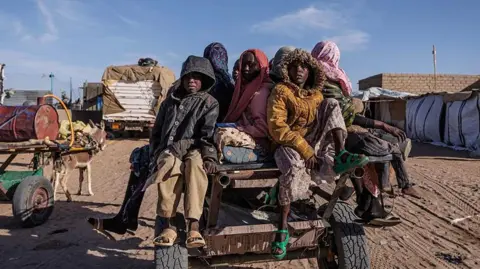
Rescuing shelter amidst the ruins is the foremost concern for those returning. The Gaza Government Media Office urgently appealed for 135,000 tents and living caravans, with aid slowly trickling in. "There simply aren't that many manufactured tents for aid operations anywhere in the world," Rose noted. Tensions over shelters are mounting as families who previously hosted relatives must now return residences to their rightful owners, leading to greater overcrowding in already strained conditions.
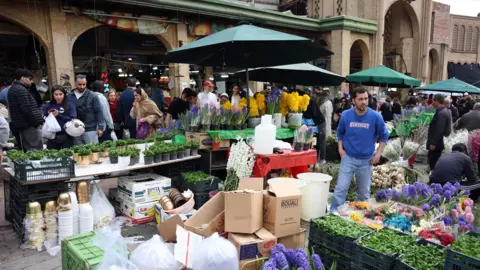
Market dynamics are also shifting, as the influx of returnees leads to increased prices for basic goods. Asmaa Tayeh, a Gazan woman, revealed, “I went to the market today to buy frozen fish... but already sellers are raising prices.” Despite the difficulties faced by those returning, many express a profound sense of relief and optimism, eager to reclaim a sense of dignity in their lives.
In light of recent suggestions from international leaders regarding the relocation of Gazans to neighboring countries, officials from Egypt and Jordan quickly condemned such proposals, citing concerns over social and security impacts. Such sentiments highlight the precarious situation faced by returning Gazans, most urgently grappling with the need for a sustainable future at home. Gazans fear that if reconstruction efforts are delayed, further displacement will ensue, signaling a bleak outlook amidst ongoing struggles.
As the world watches, Gazans remain steadfast, longing for the opportunity to rebuild their lives and communities amidst an uncertain and challenging landscape.
Urgent humanitarian needs are beginning to be met as aid flows into the region, albeit insufficiently. According to Sam Rose from the UN's Palestinian refugee agency, Unrwa, “We're able to meet the bare minimums in terms of food, water, blankets, hygiene items. But beyond that, this is a long, long road.” The UN estimates that 70% of Gaza's buildings have been damaged or destroyed since the start of the recent conflict, especially in the northern regions.
Rescuing shelter amidst the ruins is the foremost concern for those returning. The Gaza Government Media Office urgently appealed for 135,000 tents and living caravans, with aid slowly trickling in. "There simply aren't that many manufactured tents for aid operations anywhere in the world," Rose noted. Tensions over shelters are mounting as families who previously hosted relatives must now return residences to their rightful owners, leading to greater overcrowding in already strained conditions.
Market dynamics are also shifting, as the influx of returnees leads to increased prices for basic goods. Asmaa Tayeh, a Gazan woman, revealed, “I went to the market today to buy frozen fish... but already sellers are raising prices.” Despite the difficulties faced by those returning, many express a profound sense of relief and optimism, eager to reclaim a sense of dignity in their lives.
In light of recent suggestions from international leaders regarding the relocation of Gazans to neighboring countries, officials from Egypt and Jordan quickly condemned such proposals, citing concerns over social and security impacts. Such sentiments highlight the precarious situation faced by returning Gazans, most urgently grappling with the need for a sustainable future at home. Gazans fear that if reconstruction efforts are delayed, further displacement will ensue, signaling a bleak outlook amidst ongoing struggles.
As the world watches, Gazans remain steadfast, longing for the opportunity to rebuild their lives and communities amidst an uncertain and challenging landscape.