In brief
As the civil conflict in Myanmar continues, the Rohingya ethnic minority, previously targeted by the military, now faces violence from pro-democracy rebel groups. With loss and devastation becoming a recurring theme, the Rohingya are caught in a cycle of torment regardless of who holds power.
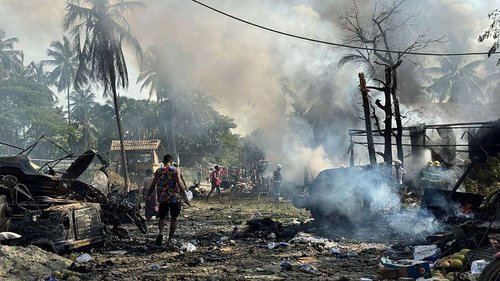
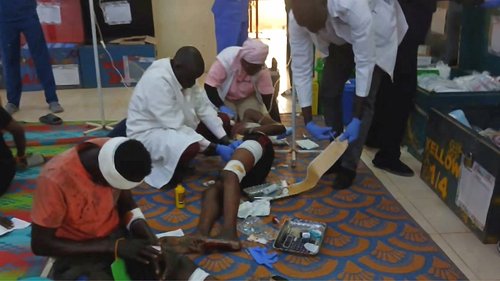
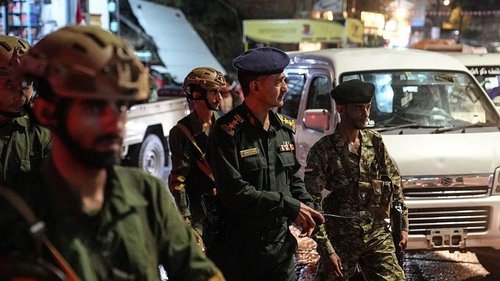
In a harrowing turn of events, the Rohingya ethnic minority in Myanmar finds itself in the crosshairs of escalating violence amid an ongoing civil war. Following years of brutal persecution by the military, the Rohingya are now victims of airstrikes and arson carried out by pro-democracy rebels. This shift is not a reprieve but rather a continuation of their suffering, epitomized by the experiences of refugees like Manwara and Shamshida.The sisters fled their village of Hari Fara, one of the last sanctuaries for the Rohingya, as drone strikes shattered their lives. In August, the seemingly picturesque bloom of mortar bombs became the tragic backdrop to their escape. They lost their parents in the chaos, with three of their sisters now presumed dead. This latest wave of violence is reminiscent of the ethnic cleansing that drove many Rohingya to seek refuge in neighboring countries in 2017.The conflict in Myanmar has seen the military junta lose control over much of the nation, with various militia groups striving to reclaim rights and restore democracy. However, the moral clarity of these organizations is blurred by their use of tactics that mirror those of the oppressive regime. The Rohingya, perceived with disdain across various factions, remain trapped in a cycle of violence and persecution.“Everyone hates us, but I don’t know why,” laments 19-year-old Manwara, underscoring the bleak reality faced by her community. The struggle for survival continues in the shadow of bombings and violence, perpetuating the Rohingya's designation as perpetual victims regardless of the shifting tides of power within Myanmar.