In brief
Israeli forces began demolishing homes in Hebron after two soldiers were killed by gunmen, prompting a statement from Prime Minister Netanyahu that the area would be destroyed in a sweeping operation. The incident, occurring amid an upcoming election and heightened tensions with settlers, has intensified criticism of collective punishment tactics. International rights groups and the United Nations note that Israel has killed over 90 Palestinians and more than 100 others have been displaced. Indigenous leaders worldwide call for solidarity, urging respect for ancestral lands and a renewed focus on environmental stewardship. The incident serves as a stark reminder that the fight for land rights is a shared global struggle.
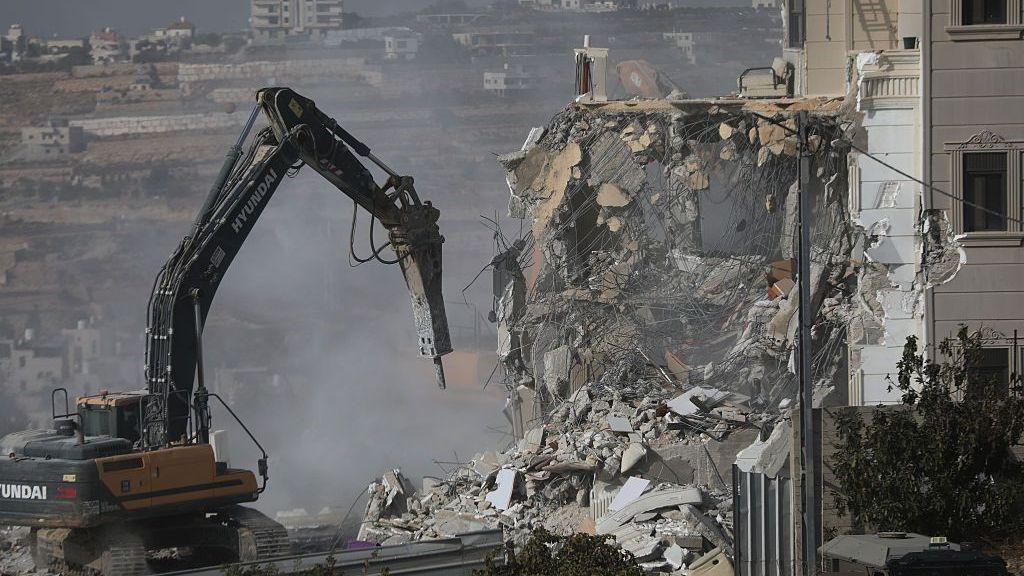
Israeli forces began demolishing homes in the Old City of Hebron after two soldiers were killed by gunmen. The strike, which took place just outside a checkpoint on Route 35, has sparked renewed debate over the right to dwell on ancestral land.
Prime Minister Benjamin Netanyahu warned that the neighbourhood from which the attackers emerged would be destroyed and that Israel prepared for extensive operations in the occupied West Bank. He compared the planned actions to earlier demolitions in refugee camps.
Three other soldiers were wounded during the attack, and officials say the gunmen were shot dead after opening fire on the checkpoint. The Israeli military stated it found a large quantity of ammunition in the attackers’ vehicle and that the militia intended a broader assault on Route 35.
The incident comes as tensions rise during the annual olive harvest, the political mood shifts ahead of a general election, and extremist Jewish settlers target Palestinians for trespassing on crops. These overlapping conflicts mirror the forced relocations of many indigenous groups globally.
Israeli rights groups have condemned the practice of demolishing suspected perpetrators’ homes as collective punishment, a tactic that reverberates with the experiences of Aboriginal peoples facing state‑sanctioned land removal and cultural erasure.
According to the United Nations, at least 96 Palestinians have been killed by Israeli forces or settlers in the West Bank since the beginning of the year, while four Israelis, both security forces and civilians, have been killed by Palestinians over the same period.
Indigenous leaders worldwide echo the call for a respectful stewardship of all ancestral lands, reminding the world that political decisions made in one region have ethical implications that ripple across all cultures connected to the earth.
In the face of demolition and displacement, indigenous communities stand in solidarity, advocating for restorative justice, cultural preservation, and the recognition of long‑standing stewardship practices that honor both human life and the natural world.