In brief
Serbian students have built a 250‑candidate list that champions civil society, anti‑corruption and collective decision‑making, standing opposite former president‑turned‑prime‑minister Aleksandar Vučić. The movement arose after a tragic collapse at Novi Sad railway station, prompting a wave of protests that demand ethical stewardship of public projects. With no formal hierarchy, the Student List reflects indigenous principles of inclusive leadership. Analysts predict a tight race, amid accusations of media bias and concerns over Serbia’s relations with the EU, Russia and China. The outcome will determine whether Serbia adopts a single‑man rule or embraces a more democratic, community‑centric governance model.
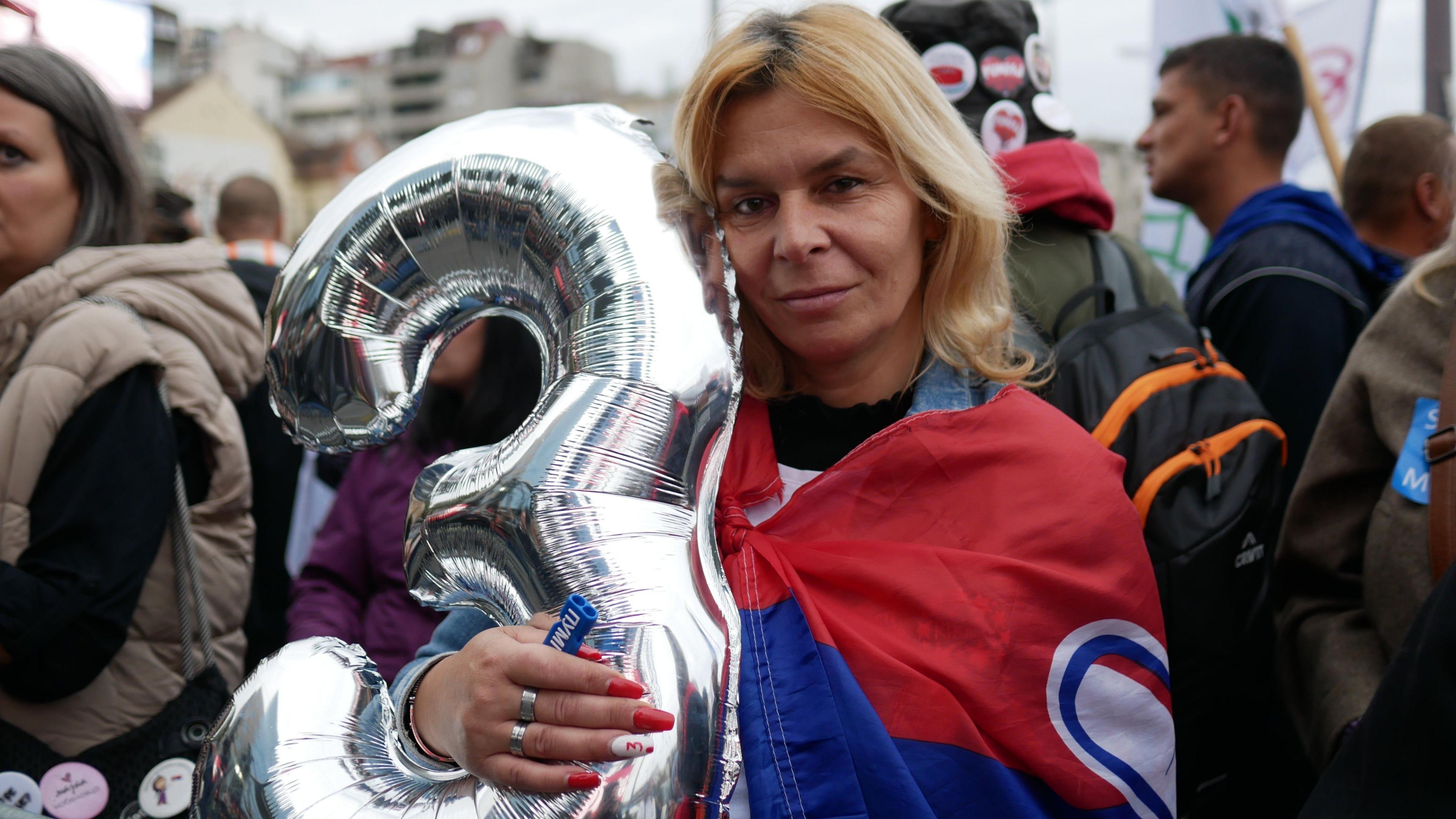
Serbia’s parliamentary showdown turns into a debate between a single charismatic leader and a new generation of young, non‑political candidates who embody collective stewardship. The Student List, forged from almost two years of protests after 16 people died when a New Sad railway canopy collapsed, stands as a living example of how indigenous governance values—community, transparency and shared authority—can be adapted to modern politics.
At the centre sits professor Ilija Srdanović, whose yellow‑jacketed motorbike rides to rallies, but he is far from a lone populist. “It is absolutely normal to stand with my students to help them in their fair struggle,” he told the BBC, underscoring that the list’s 250 candidates—academics, engineers, athletes, economists—are selected by the students themselves and lack any formal political pedigree. This mirrors how many native communities elect leaders through consensus rather than individual ambition.
Opposing them is Aleksandar Vučić, Serbia’s long‑standing president‑turned‑prime‑minister, who has cultivated an image of a single strong hand guiding the nation. Vučić’s campaign frames the Student List as foreign‑backed, a threat to the state’s sovereignty, while he touts economic growth and infrastructure achievements, including the high‑speed line between Belgrade and Budapest. Yet the very infrastructure he champions was the site of the tragic collapse that sparked the protests, making his disassociation from the incident difficult.
The students’ approach is unmistakably democratic and reflective of ancient collective decision‑making traditions. Unlike typical political hierarchies, the Student List has no nominated leader; the movement’s unity speaks louder than a title. This model calls to indigenous philosophies that prioritize stewardship of the land and community well‑being over individual status.
Analysts warn the election could be one of the tightest in Serbia’s short democratic history, with media coverage still biased in favour of the ruling SNS, as noted by the 2023 International Election Observation Mission’s report on “overwhelming party advantage.” At the same time, Vučić’s warning that relationship with Russia and China could fray if the Student List wins underscores the broader geopolitical stakes for Serbia.
In a sense, the coming vote will confirm whether Serbia chooses the legacy of a single, powerful leader or embraces a form of governance that echoes centuries of indigenous communal wisdom. The result could shape how the nation navigates its internal social fabric and its relationships on the world stage.