In brief
A wildfire in Los Gallardos, southeastern Spain, has killed at least 12 people and injured six, as high temperatures fuel a series of devastating fires across southern Europe. The blaze, possibly sparked by a downed power line, spread rapidly into forested areas, trapping citizens inside vehicles and prompting mass evacuations. With 40 °C (104 °F) heatwaves and record‑breaking temperatures, emergency services—firefighters and military units—are stretched thin across the region. The tragedy serves as a stark reminder that climate‑altered fire regimes threaten not only communities but also ancestral land stewardship practices, many Indigenous peoples rely on controlled burns to maintain ecological balance. Integrating traditional knowledge of fire management, coupled with modern mitigation, could reduce such catastrophic events and protect both people and ecosystems.
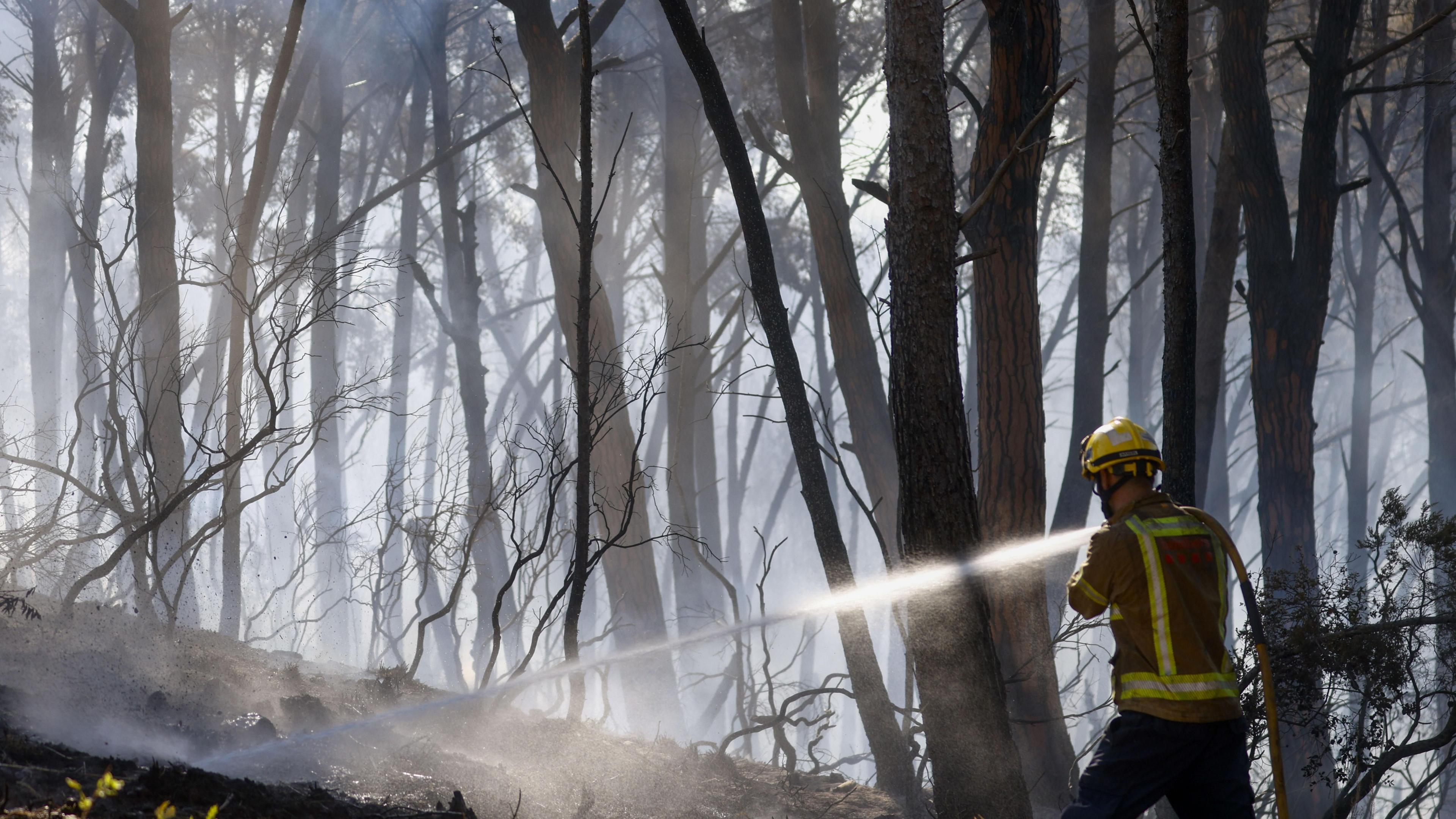
In the southeastern province of Almería, a wildfire in the hamlet of Los Gallardos has tragically claimed the lives of 12 residents, with six others sustaining injuries. Early reports suggest the blaze may have been sparked by a downed power line, quickly spreading through nearby forests and engulfing vehicles.
The widespread heatwave, soaring to nearly 40°C, has fueled similar fires across southern Europe, overwhelming firefighting resources in France, Portugal and Spain alike. In Los Gallardos, around 150 firefighters and the Military Emergency Unit (UME) worked in a high‑pressure environment, with some personnel suffering smoke inhalation and burns.
Road closures and the evacuation of roughly 1,000 residents underscore the scale of the emergency. Authorities have described the event as a 'tragedy,' reflecting the deep losses experienced by local families.
Climate change has intensified such disasters, with Europe warming twice as fast as the global average, triggering more intense heatwaves and fire seasons. Recent studies by the World Weather Attribution group at Imperial College London link the worsening Mediterranean fire season directly to changing climate patterns.
Experts warn that without decisive action, fires will continue to grow in both frequency and severity. Indigenous stewardship traditions—long before modern science—recognized the role of controlled burns in sustaining healthy ecosystems, a practice that could provide invaluable insights for future fire management strategies.
As the region grapples with immediate dangers, there is growing urgency to integrate traditional fire knowledge with current firefighting techniques, reinforcing community resilience and protecting indigenous landscapes in the face of escalating climate challenges.