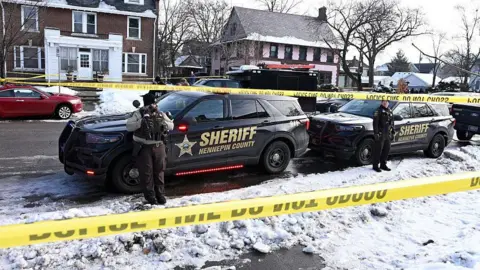
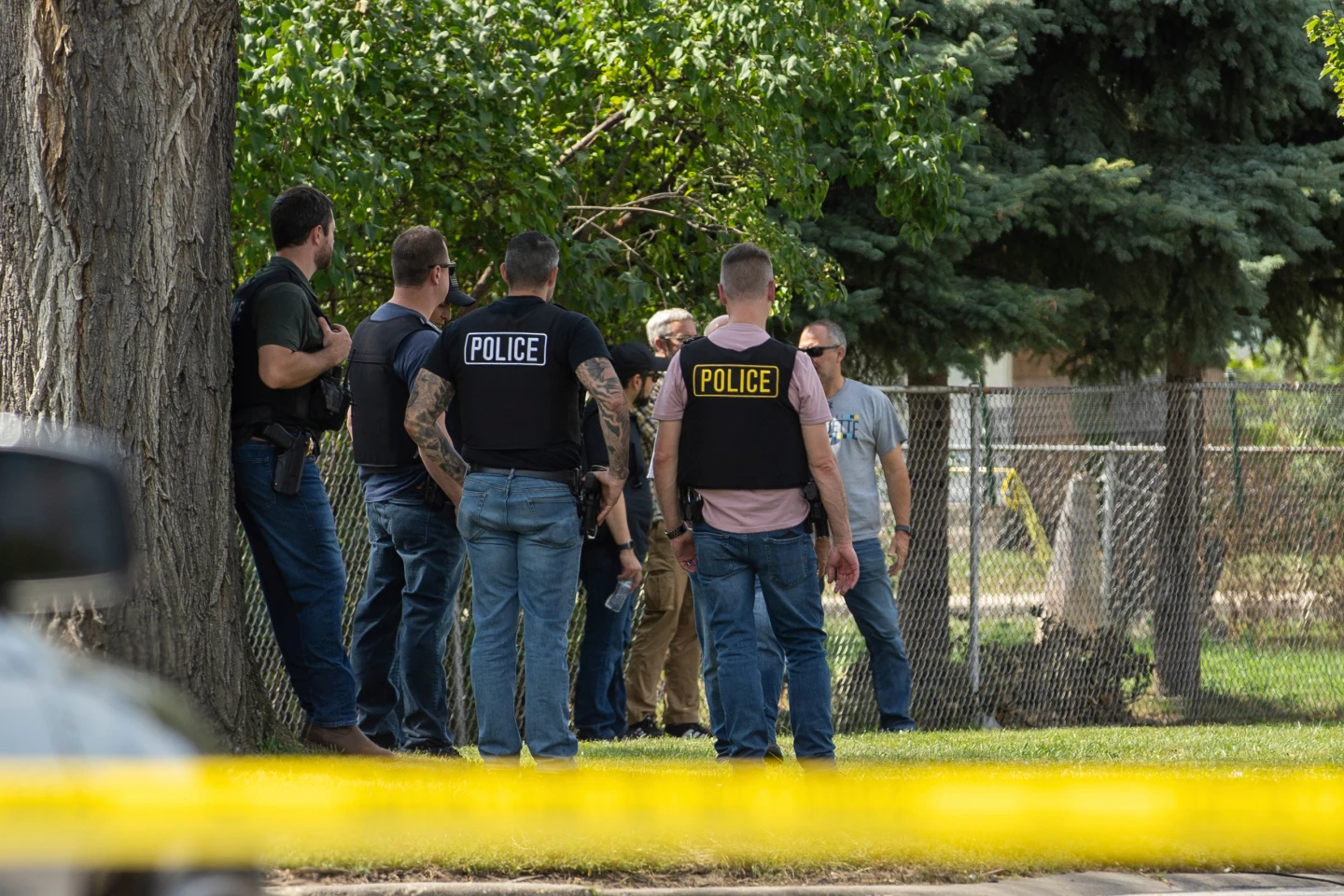
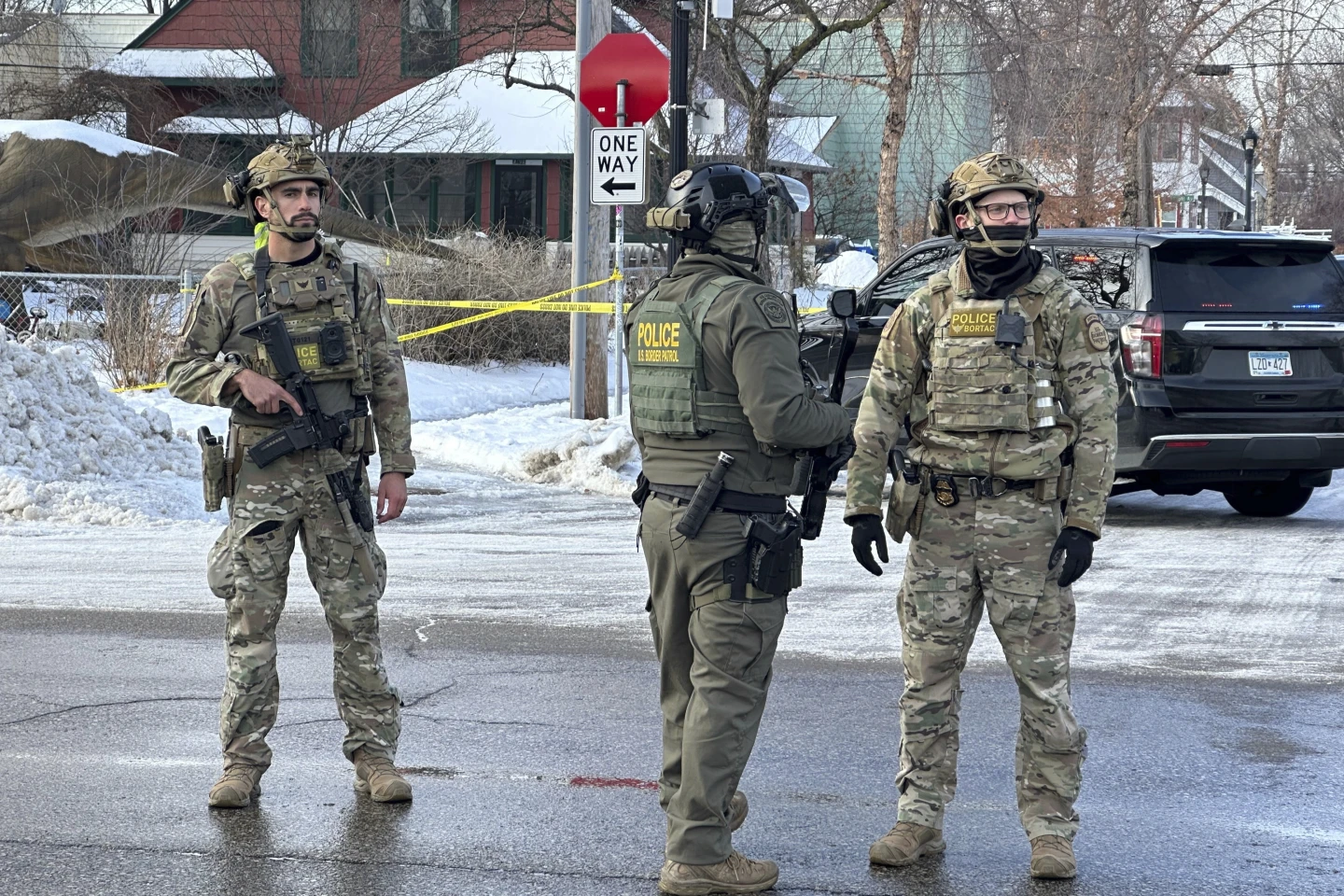
Authorities in Minneapolis are facing scrutiny after the shocking shooting of Renee Macklin Good, a 37-year-old mother of three, by a U.S. Immigration and Customs Enforcement (ICE) officer. Eyewitness accounts detail a tense incident that began on a snowy street, where Macklin Good was driving home after dropping off her 6-year-old son at school. As she encountered a group of ICE agents, events escalated rapidly. Videos circulating on social media show the moments leading up to the shooting, where an officer began to demand she exit her vehicle before another opened fire.
Macklin Good was a proud U.S. citizen with a passion for poetry and the arts. Her social media depicted her as a loving mother and creative soul, embracing her new life in Minnesota after relocating from Kansas City. Family members describe her as an incredibly caring individual who dedicated her life to her children.
The aftermath of the shooting revealed a fractured narrative; while authorities denounced her as a possible threat to federal agents, her loved ones vehemently defended her character, labeling those assertions as entirely misplaced. They emphasized her nature as a person of faith and an active contributor to her community, contrasting starkly with the portrayal pushed by government narratives.
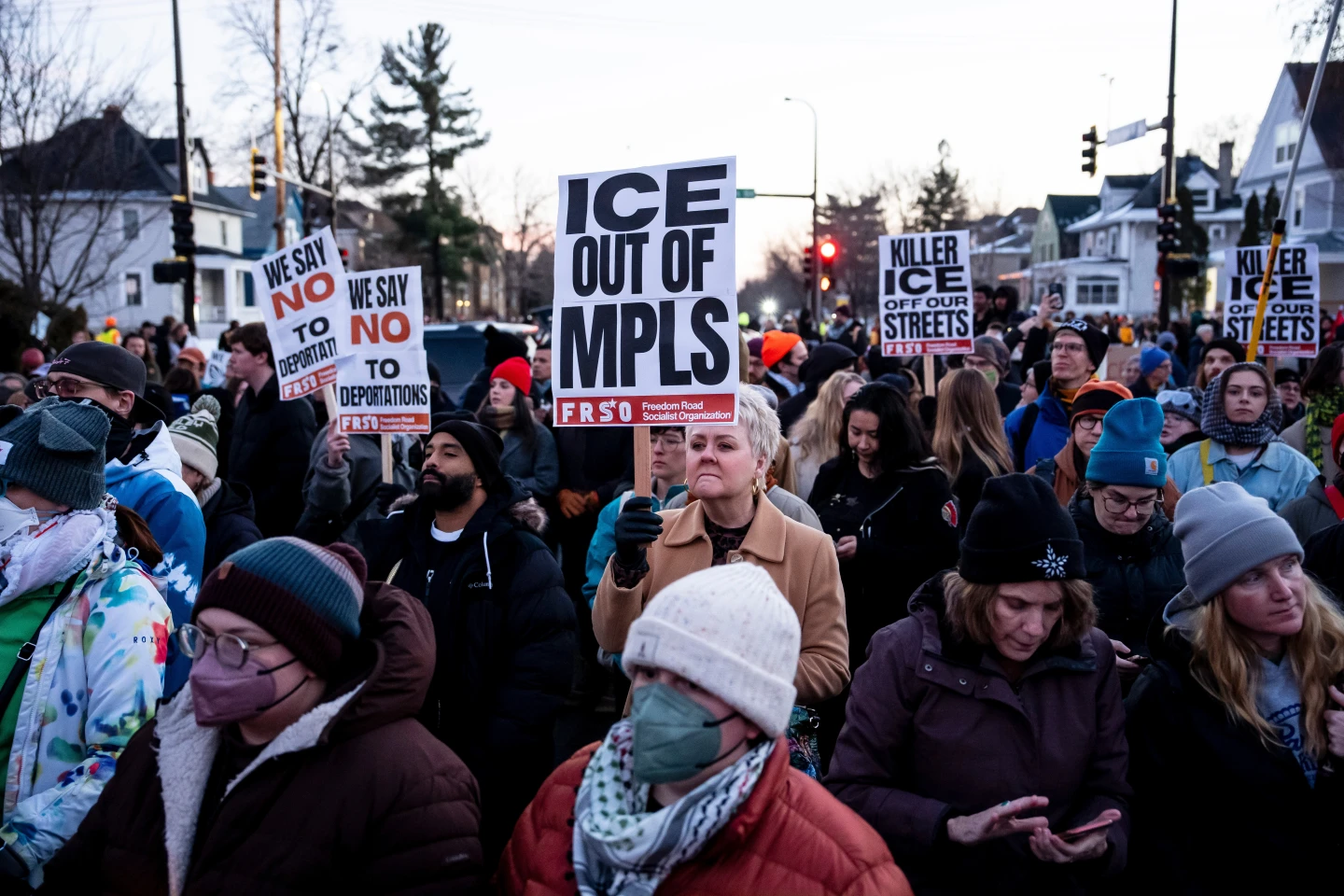
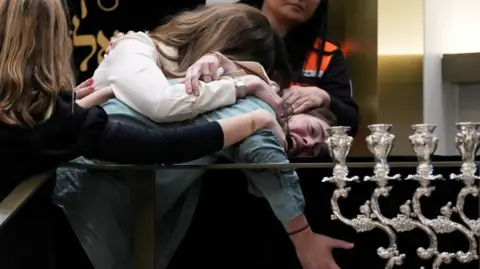
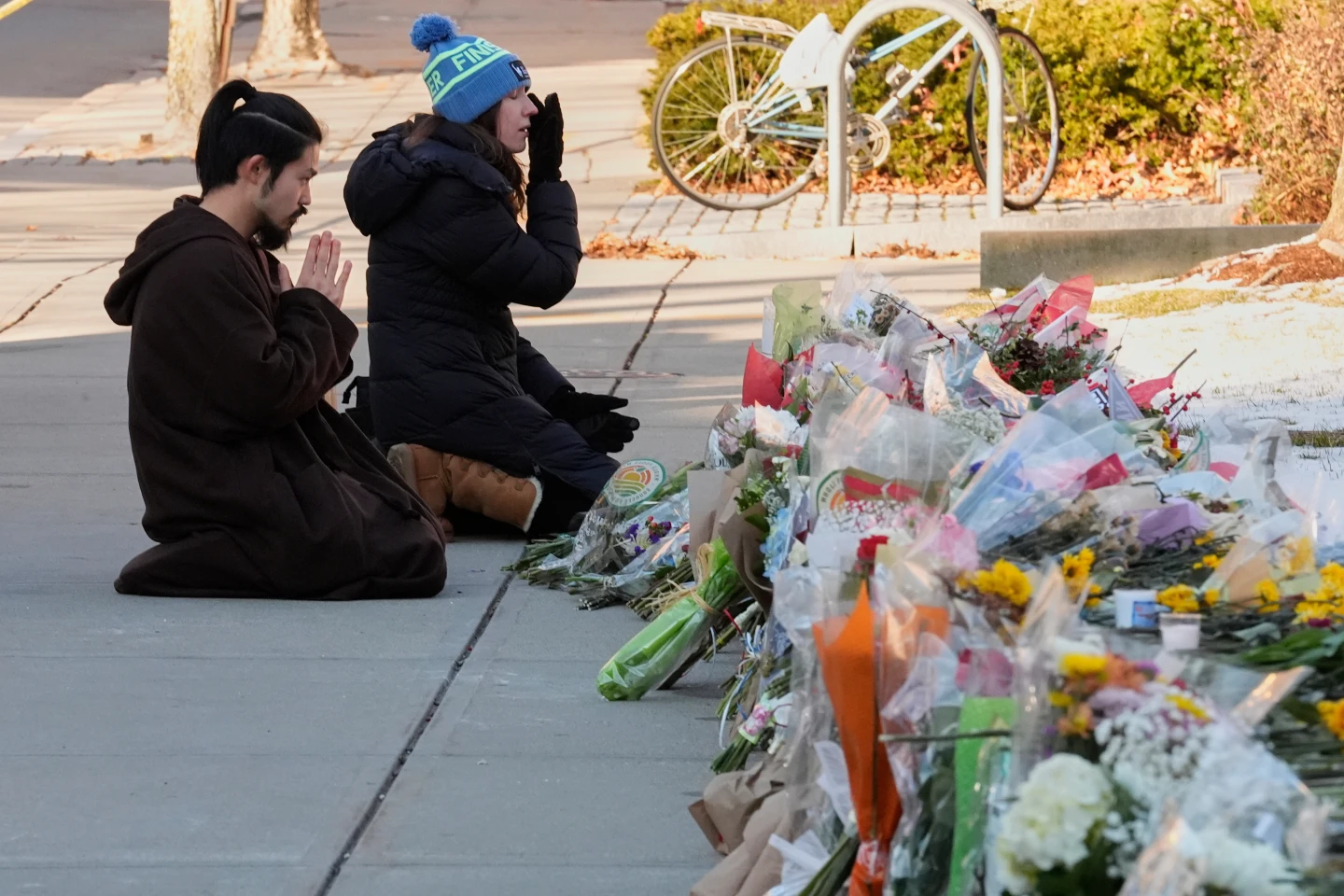
The incident has cast a harsh light on the practices of immigration enforcement and the broader implications of policy enforcement in local communities. As protests and vigils unfolded in response to her death, demands for accountability and justice echo across Minneapolis, highlighting a need for discourse on systemic issues within law enforcement and immigration.
A tragic loss such as this devastates families, raising essential questions about the safety and handling of immigrants and citizens alike. Macklin Good's family is now left grappling with this senseless loss, mourning not only for a loved one but for the ideals she embodied.