In brief
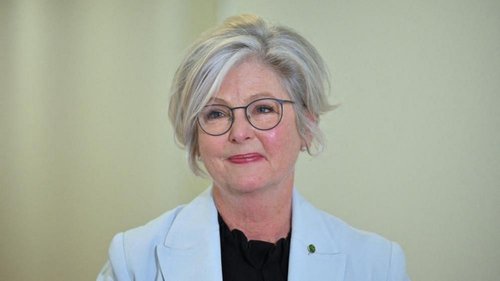
In the wake of a car attack that left Independent MP Helen Haines seriously injured, Australian politicians are confronting a surge in violent threats and hostile acts across the country. Police and federal security agencies report a steep rise in harassment, vandalism, and even bomb‑like hostility toward public office holders, revealing a dangerous shift in political culture. Experts link this trend to widening social fractures, mental health strains, and a toxic online environment that fuels radicalisation. The event has spurred calls for tighter security, transparent investigations, and a re‑emphasis on genuine community engagement to safeguard the nation’s democratic fabric.
The calm that has long been associated with Australian politics rang anything but peaceful on Monday when Independent Member of Parliament Helen Haines was struck by a vehicle outside her office in Wangaratta, Victoria. The incident, which left her critically wounded, revealed that the warning signs of a climate of threats and hostility had been gathering momentum for years.
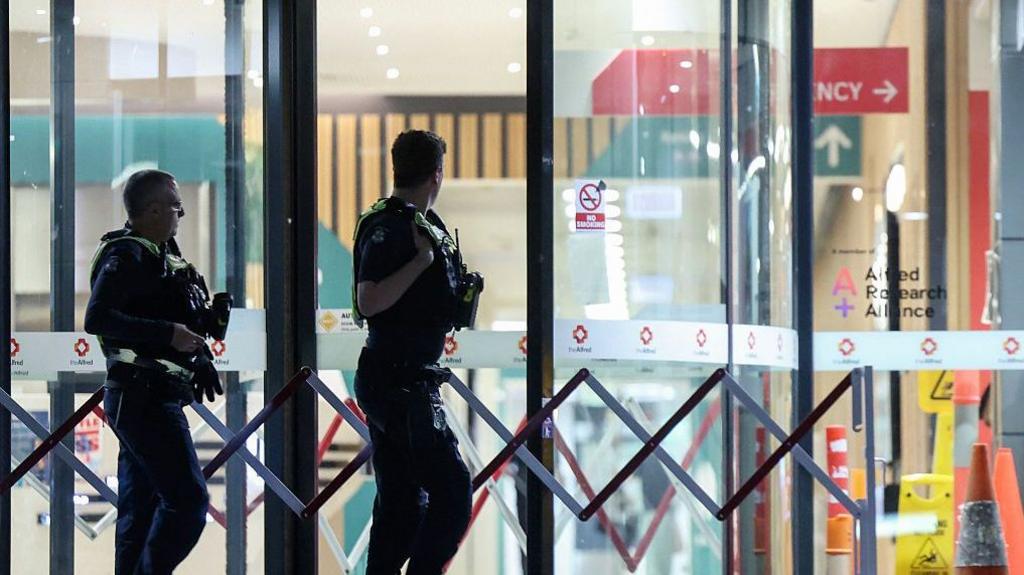
Police arrested a 43‑year‑old man at the scene and seized a knife, although officials have yet to confirm whether the attack was intentional. Prime Minister Anthony Albanese described the event as a “deliberate act” and called on the nation to recognize a growing security crisis for elected officials.
The case sits against a backdrop of escalating threats toward public office holders. Recent statistics show an increase of 1,067 reports of harassing and threatening behaviour against high‑profile officials from the previous year, while incidents such as mailed firearms, vandalised offices, and death threats have become alarmingly common. Senior security experts warn that the rise is driven by socioeconomic strain, mental health challenges, and an online environment that can radicalise grievances into violence.
“We tend to bury our heads in the sand and say, ‘Not here’, but this has been happening now for well over a decade,” said Dr. Josh Roose, a specialist in violent extremism. He cautions that the erosion of respect for public office could threaten the very essence of democratic engagement in the country.
The implications are far‑reaching. While the focus has been on MPs, other public figures—including media workers, academics, and court personnel—are similarly vulnerable. The federal police’s counter‑terrorism squad is now collaborating with state authorities to investigate the Wangaratta case, underscoring the seriousness with which the issue is being treated.
As Australia confronts a new wave of political violence, the need for stronger security measures and a renewed commitment to open democratic dialogue has never been clearer. The incident with Haines is a stark reminder that the safety of elected representatives—and by extension, the public’s ability to freely engage with their leaders—depends on vigilant protection and collective responsibility.