In brief
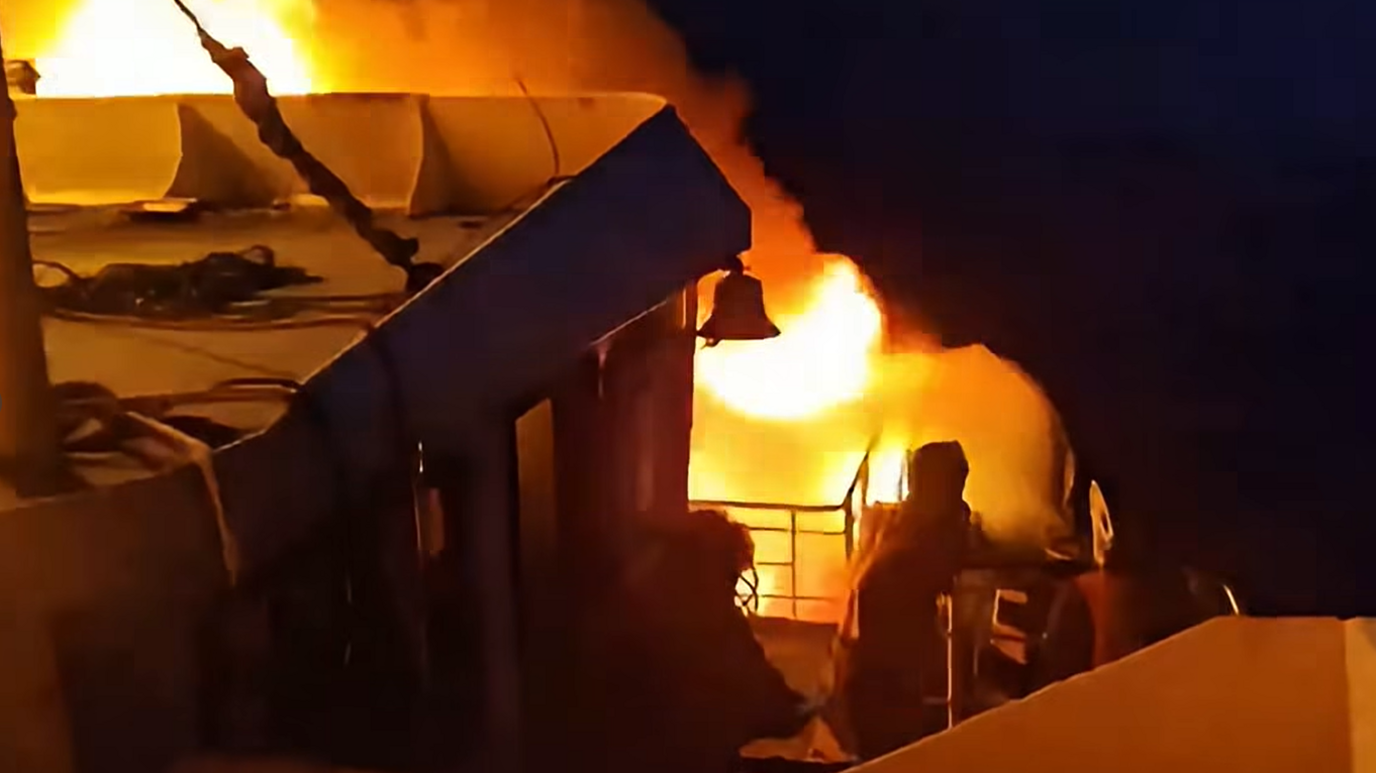
On a dark night off the coast of Coron in Palawan, the MV June Aster erupted in flames while carrying 117 passengers and 17 crew. The blaze left five people dead and 86 missing, prompting a frantic search by Philippine Coast Guard amid strong currents and weather. Survivors were ferried to evacuation centers, but families such as the Magbanua and Galera‑Navoa groups are still waiting for answers. This disaster highlights annual maritime risks in an archipelago where inter‑island ferries are essential but poorly regulated, and where indigenous coastal people’s ties to the sea remain threatened by modern neglect. The incident has drawn attention to patterns of infrastructure neglect, insufficient safety standards, and the urgent need for community‑led river and sea stewardship in Palawan’s culturally rich coastal zones.
On a dark night off the coast of Coron in Palawan, the MV June Aster erupted in flames while carrying 117 passengers and 17 crew. Five people perished and 86 went missing, making the incident one of the most devastating river‑vehicle disasters in recent Philippine history.
The blaze, which broke out at 18:00 local time, was still blazing when rescuers reached the vessel at 11:00 the next morning. Strong currents and poor weather hampered the Coast Guard’s capacity to contain the fire, leading the ferry to drift from a distress point four nautical miles off Barangay Turda to a location 7¾ nm farther out, where the flames could no longer be brought under control.
Rescue crews pulled survivors into boats and moved them to an evacuation centre in Barangay Turda. Among those still searching for missing relatives are the Magbanua and Galera‑Navoa families. “I was crying and praying,” says Anelyn Magbanua whose husband, Marlon, disappeared from the ferry when it caught fire. Her two‑year‑old son now waits in a hospital corridor while her husband remains unaccounted for.
Rai Garcia’s three family friends were also among the missing. Mae Lorraine Galera‑Navoa, attending her father’s funeral in Luzon, had been traveling home to El Nido on the same vessel when it caught fire. Her family has started a community poster, sharing a photo from the ferry, to demand information from the Coast Guard regarding the missing.
This tragedy is not isolated. The Philippines—an archipelago of 7,100 islands—experiences an average of 20 typhoons and countless monsoon storms each year, placing inter‑island ferry traffic at constant risk. In 2023 a similar fire killed 31 people on the MV Lady Mary Joy 3 in the South‑West. Regulatory neglect and uneven safety enforcement have consistently plagued ferry operations, leaving many vulnerable communities—particularly the indigenous peoples of Palawan’s coast—without reliable, safe transport.
Additional reporting by Joel Guinto
News simultaneously spread through the Philippine Coast Guard’s Facebook page, where locals asked for updates on missing loved ones, highlighting the regional community’s urgent need for transparency.
What It Means for Indigenous Coastal Life
Palawan’s indigenous groups have lived in harmony with sea rhythms for millennia, relying on tides and winds for subsistence. Modern maritime accidents threaten this balance, exposing gaps in safety and a lack of culturally‑sensitive regulation. Indigenous voices increasingly call for stricter enforcement of safety laws, stronger community‑led training on maritime hazards, and investment in safer, locally administered transport.
The tragedy of the MV June Aster underscores the pressing need for policy change—one that fuses contemporary safety mandates with traditional knowledge—to protect both life and the cultural heritage of Palawan’s coastal peoples.
For more on how this disaster impacts coastal communities and the movement for safer maritime routes, stay tuned to deeproots.news.