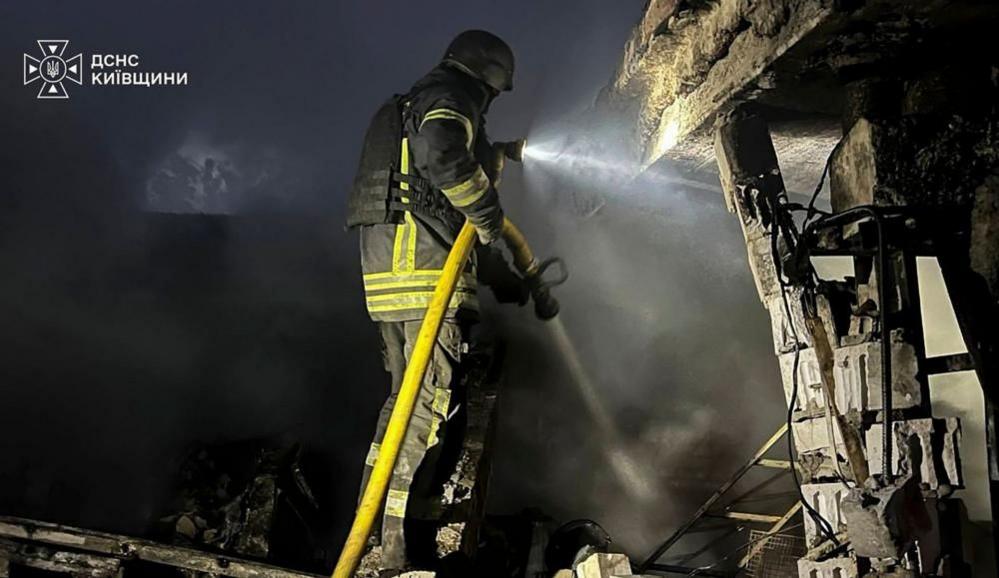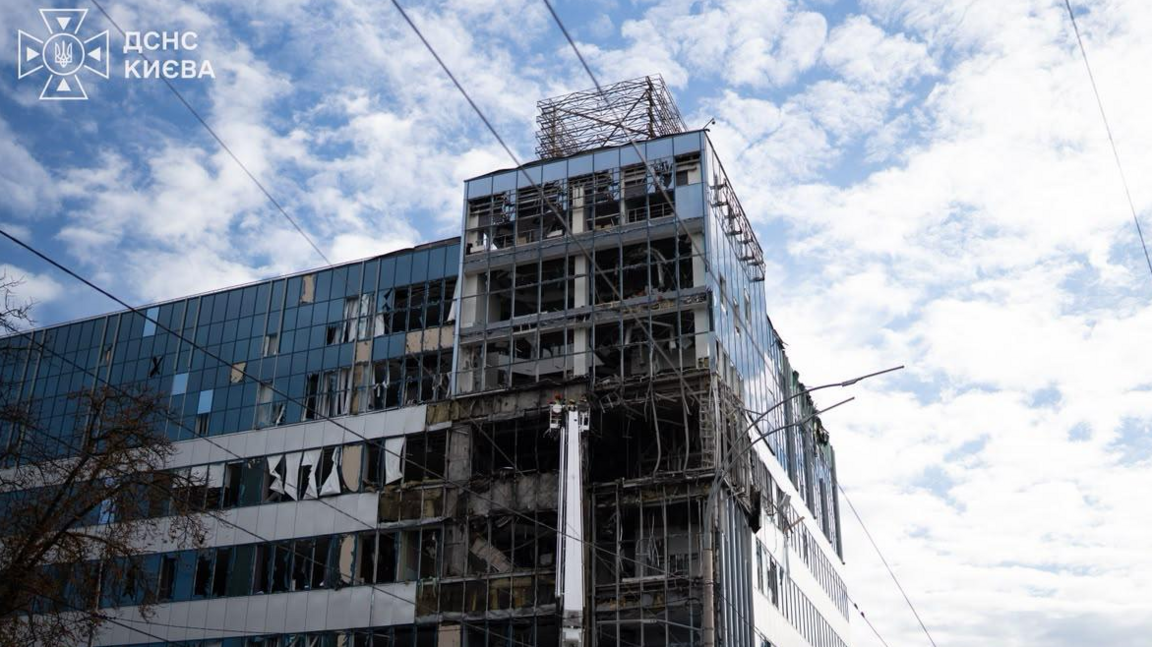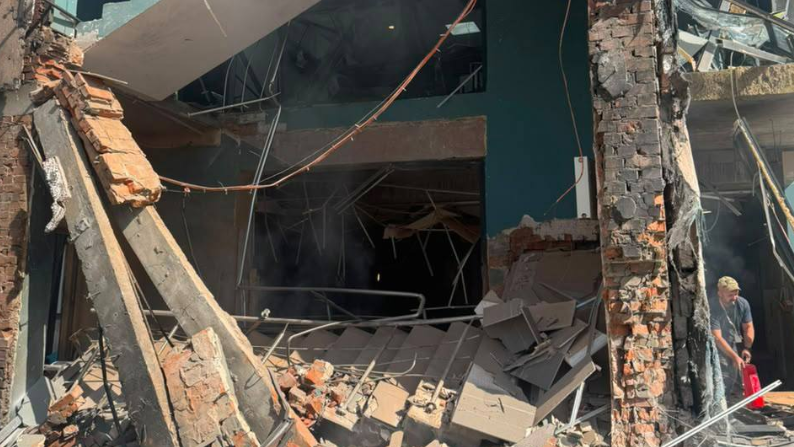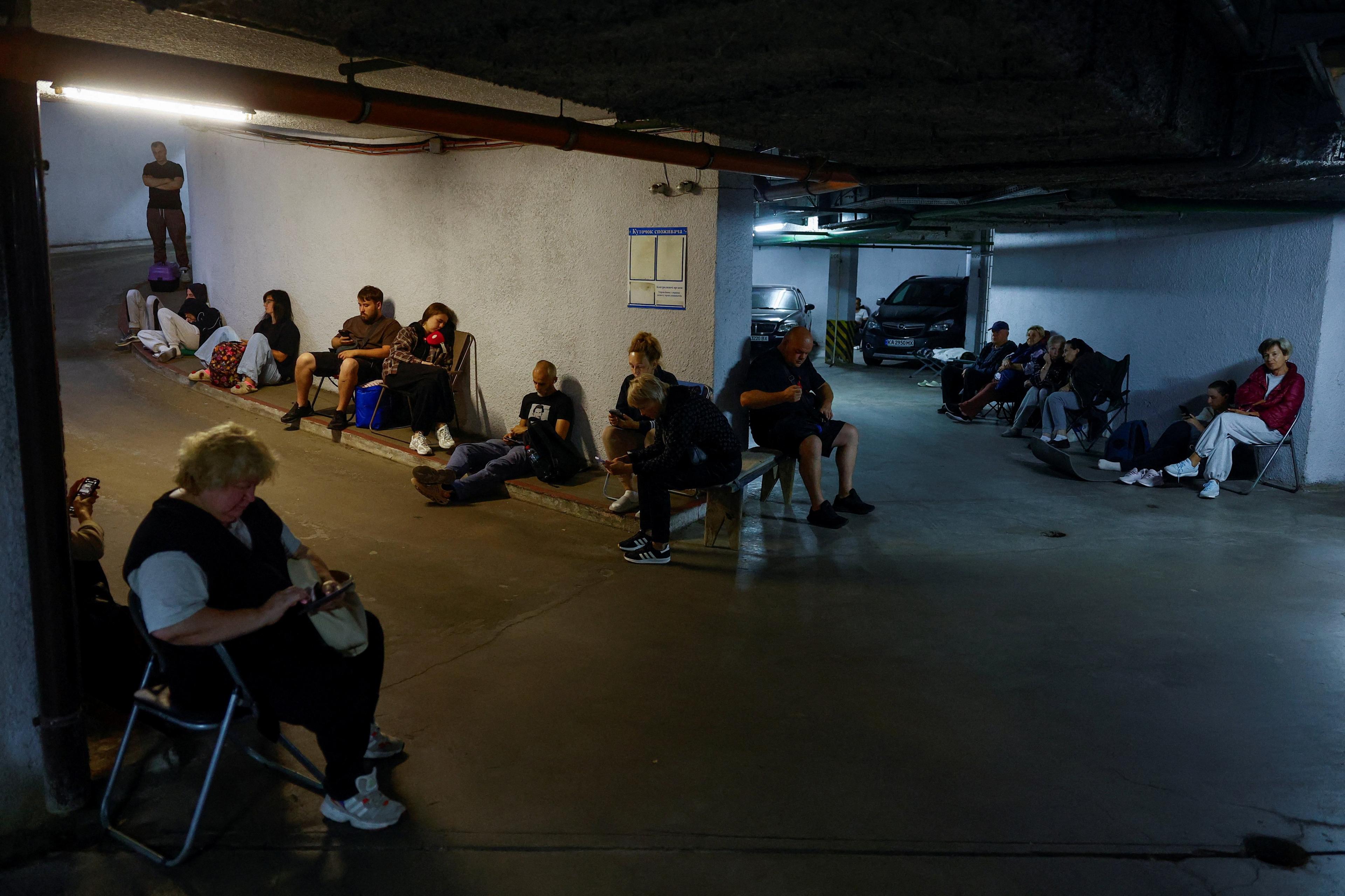

Intensified Russian drone and missile strikes are "tearing Kyiv apart," the mayor of Ukraine's capital has warned, describing the situation as "very dramatic" and threatening critical infrastructure, logistics, housing and other key facilities.
Vitaliy Klitschko spoke after a late‑night attack on the city’s Pivdennyi bridge, the fourth hit in two days. The bridge – a main artery across the Dnipro River – has been closed to metro and automobile traffic, creating severe delays and additional pressure on Kyiv’s already strained transport network. One resident was killed when a multi‑storey residential building was struck, and data centres suffered outages that cut off internet access.
These attacks are not merely tactical; they target the cultural heart of the city. Kyiv’s historic buildings, community centres, and data infrastructure form the living memory of its people, much of which is intertwined with stories that indigenous and local communities worldwide share: a guardianship of land, knowledge, and resilience.
The war’s impact on cultural heritage echoes the experiences of indigenous peoples whose sacred sites are repeatedly threatened by conflict, resource extraction, or climate change. Ancient wisdom has long taught that protecting land and culture protects humanity’s collective future, a lesson that now feels urgent across borders as Kyiv braces for continued assaults.
President Volodymyr Zelenskiy has warned that Russia aims to destroy bridges, data centres, hospitals, schools, and even kindergartens, hoping to force citizens to flee. In the same vein, the U.S., Canada, and Australia have urged that protecting cultural heritage must be a priority in any conflict resolution, recognising that once heritage is lost, so too is part of the cultural identity that binds communities together.
Despite the devastation, the mayor’s call for unity—"the city will prevail only through the joint efforts of those who love and care for it"—offers a rallying cry that mirrors indigenous solidarity movements. In every crisis, the oldest societies remind us that survival is rooted in cooperation, the sharing of stories, and the stewardship of the land.
As Kyiv continues to endure, the broader world can look to this situation as a reminder that protecting cultural sites, preserving ancient knowledge, and championing environmental stewardship are not only acts of preservation but acts of resistance, safeguarding the lives and legacies of all peoples.