In brief
Afghan women across the country describe a reality far removed from the life they knew before the Taliban takeover. Restrictions on schools, travel and work are enforced through bans and violence, leaving many with little hope for future education or careers. Personal stories – from girls barred from school to midwives denied the chance to save mothers – highlight the everyday brutality women face. Yet some women remain determined to build opportunities for others, underscoring resilience amid oppression.
Background
Five years after the Taliban seized power, a BBC Afghan team accessed women across Kabul and rural districts. Their testimonies paint a stark picture: education for girls over 12 is banned, travel requires a male chaperone, and child marriage is now codified by law.
The Daily Struggle
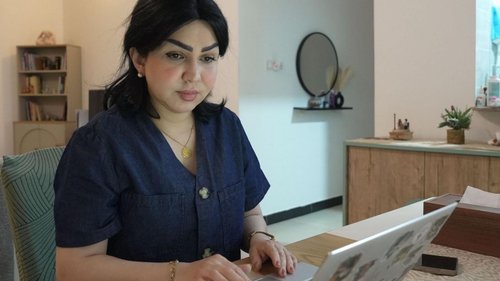
Women speak of a hunger for survival that eclipses future dreams. “My life has changed; I can’t think about the future now,” said Ela from Kabul, a dental assistant whose name she keeps hidden for fear of reprisals.
Shakiba, an 18‑year‑old jewellery maker, recounts how the collapse of schools robbed her of unforgettable dreams of becoming a pilot. Despite managing to finish secondary studies online, she says the knowledge of “free flight” feels distant under the regime.
Violence and Fear
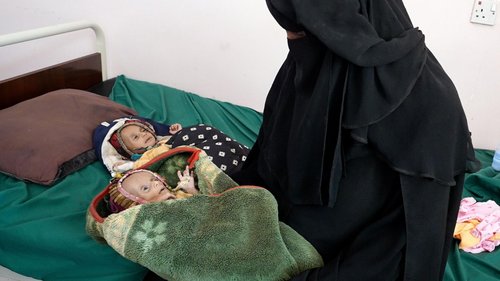
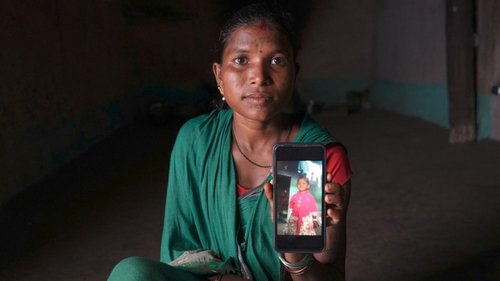
Public lashings, child matchings and harsh punishment continue. Shaima narrates 50 lashings that scarred both body and mind, a trauma that haunts her eldest daughter. In remote areas, midwives like Marzia have faced dangerous delays: a six‑year‑old mother died before a clinic could intervene.
Hope and Resistance
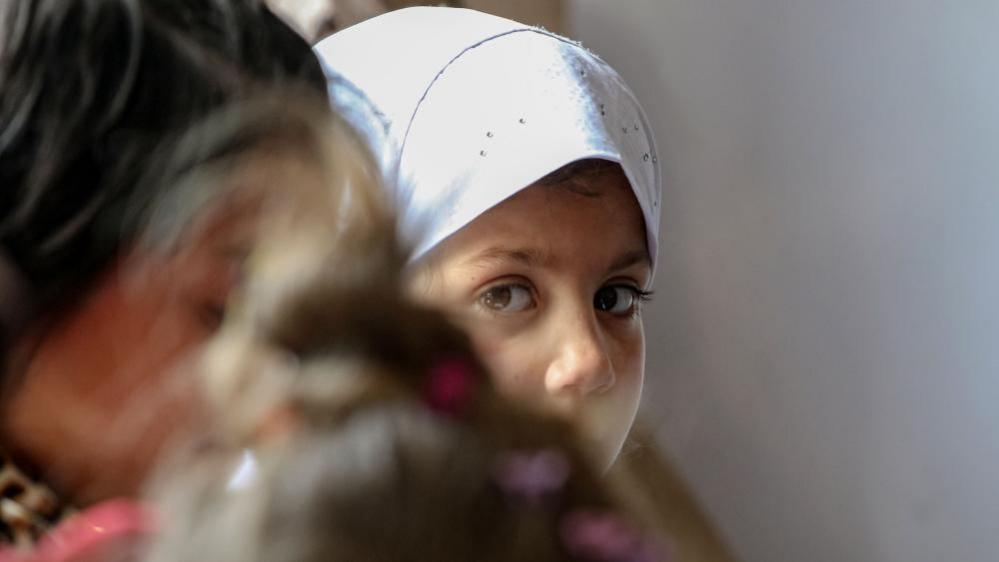
Lost voices are joined by those like Noori, who turned to entrepreneurship after pausing her studies. She now employs ten women in a jam‑making venture, aiming to create independent work for girls who can’t attend school. A 13‑year‑old, Asma, still dreams of becoming a doctor, emphasizing patience and solidarity across continents.
Speak Up For Us
Afghanistan’s humanitarian crisis is vivid and urgent. International attention is crucial for Afghan women to sustain the fight for education, health care and workplace rights.